
Last updated November 15, 2026
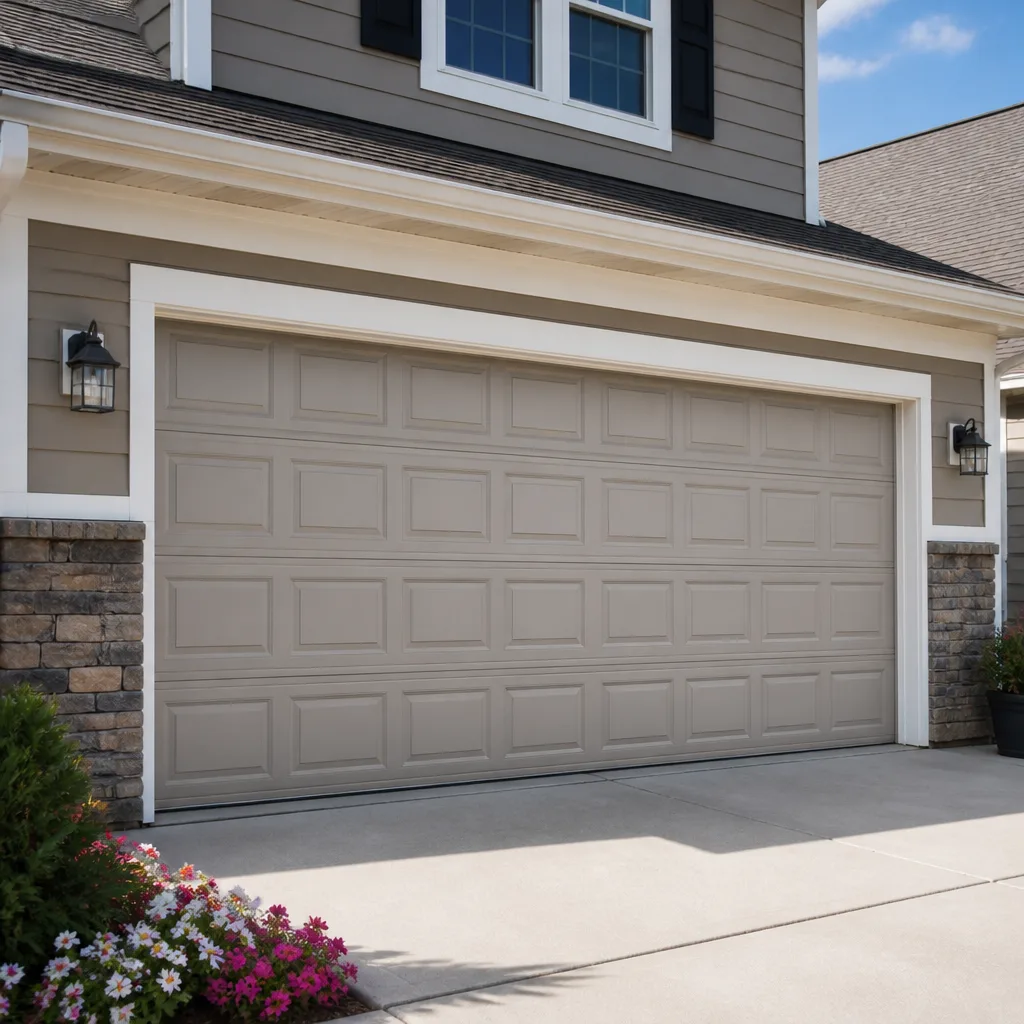 Raised-panel steel
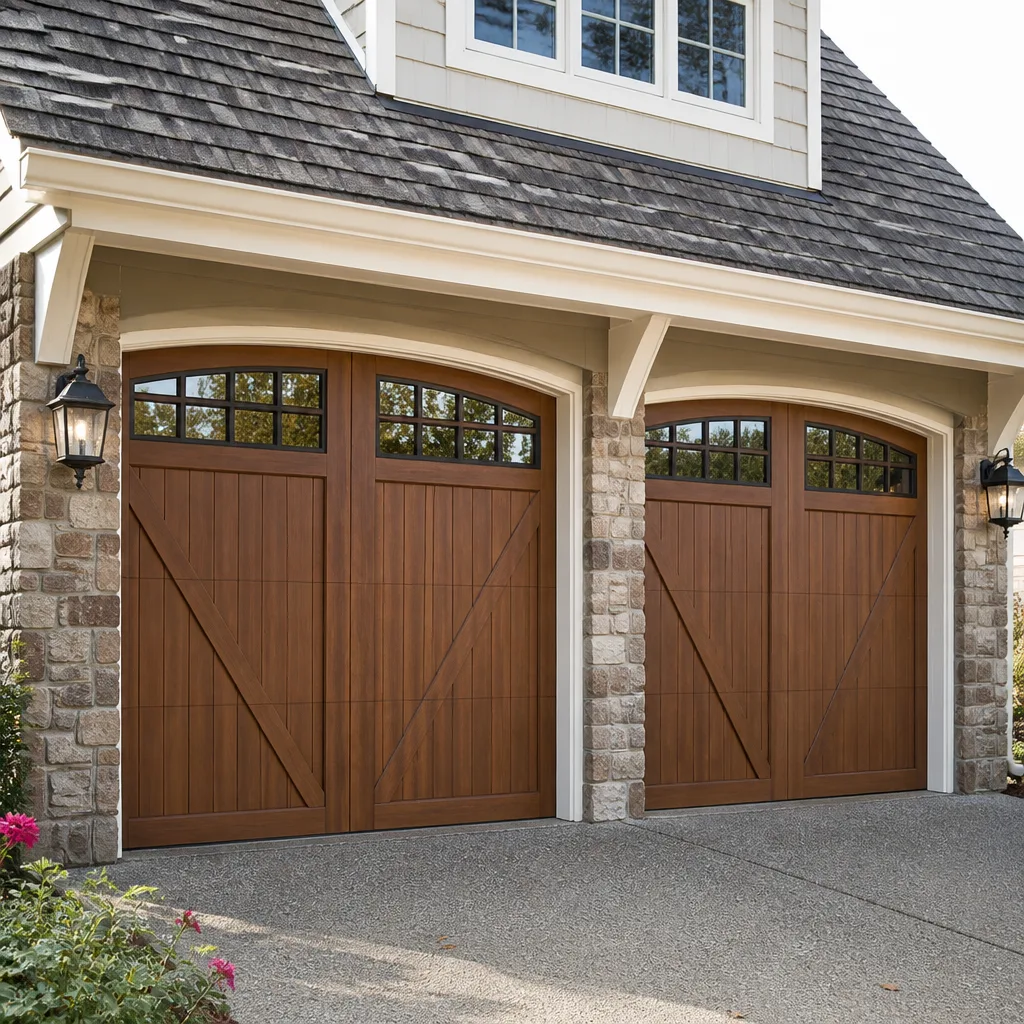 Carriage house
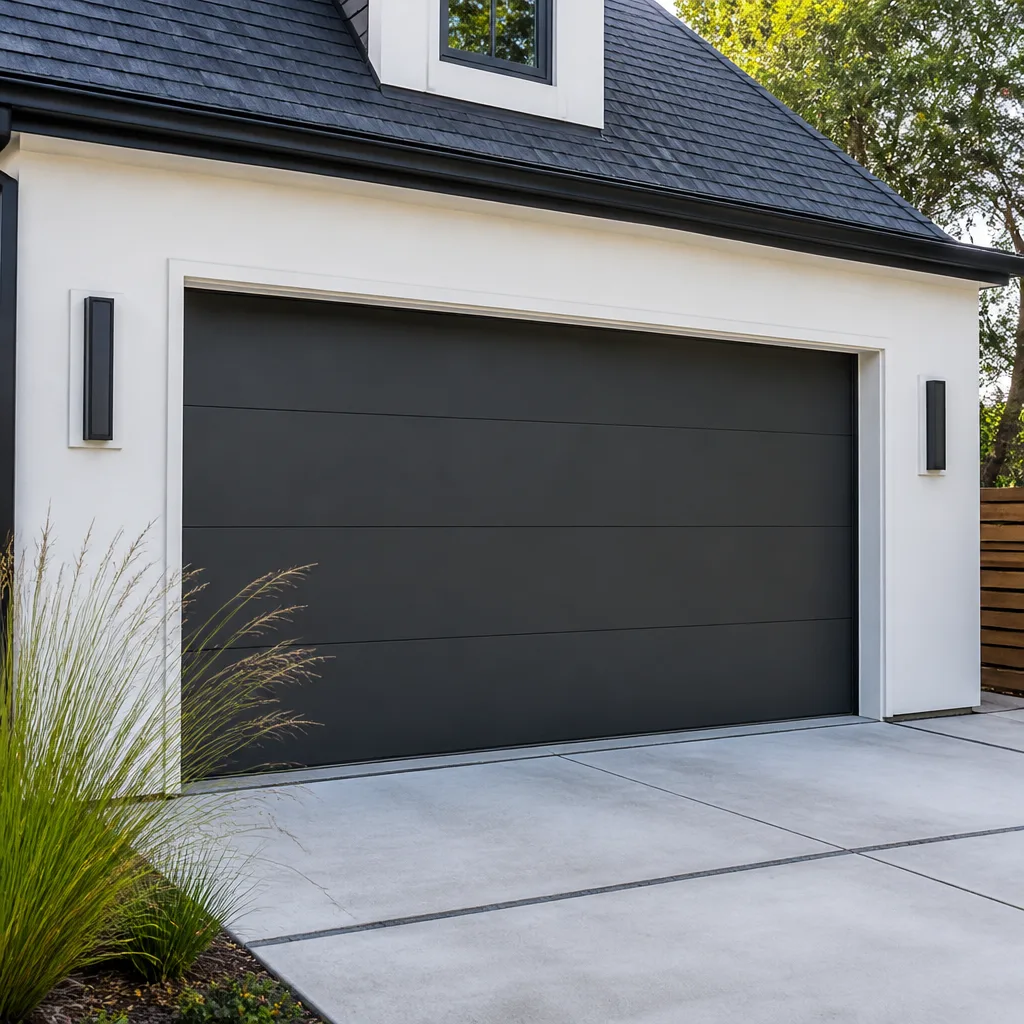 Modern flush
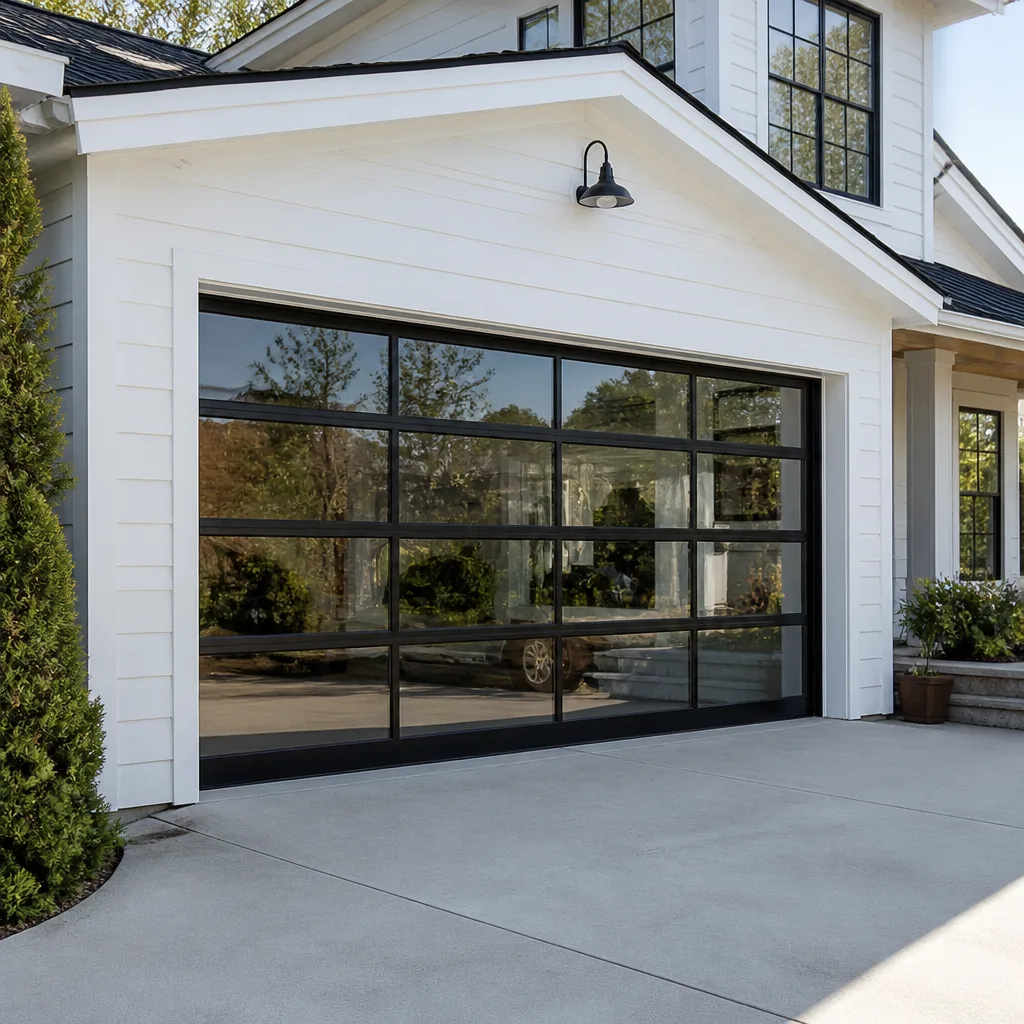 Full-view glass
 LiftMaster openers
 Chamberlain openers
Full 25-point door and opener safety check with every visit - springs, cables, rollers, tracks, and your LiftMaster or Chamberlain opener included
You get a price before we start. It does not change when the pro arrives.
Get your free estimateGarage Door Repair Maintenance Schedule: What to Do and When
Most maintenance checklists hand you a neat grid of months and tell you to lubricate your springs twice a year. Here is the problem with that: a calendar doesn’t know what your door has been through. A door in Wilmington spends its life in humid summer air, then sits through storm season, then dries out in cooler weather, and each of those phases wears different parts in different ways. Six months between lubrications can be four months too long once summer humidity peaks. What follows is a maintenance schedule built around triggers instead of dates – the weather events and seasonal shifts that actually tell you when a door needs attention. You’ll learn which tasks you can handle yourself, which need a technician, and exactly when a finding means “watch it” versus “call someone.”
Quick Answer
A garage door needs a light owner inspection monthly, lubrication every three to four months in Wilmington’s humid climate, a hardware check before and after storm season, and a professional safety inspection once a year. Owner-serviceable tasks are limited to visual checks, cleaning, lubricating springs and hinges, and testing the safety reverse. Springs, cables, tracks, and opener wiring belong to a trained technician. If anything looks bent, frayed, or sounds wrong, stop using the door and call (866) 961-8704 for a free estimate.
Styles & brands we work with
- Raised-panel steel
- Carriage house
- Modern flush
- Full-view glass
- LiftMaster openers
- Chamberlain openers
Table of Contents
- Why a Climate Trigger Beats a Calendar Date
- The Monthly Five-Minute Check
- Lubrication: Which Products Are Safe and Which Ruin Seals
- Post-Storm and Pre-Season Hardware Review
- The Post-Summer Humidity Check
- Opener and Safety Sensor Maintenance
- Owner-Serviceable vs. Technician-Only: Why the Line Matters
- Pass/Fail Criteria for Every Inspection Point
Why a Climate Trigger Beats a Calendar Date
A garage door is a mechanical system with more than a hundred moving contact points, and the lubricant at each one degrades at a rate set by temperature swings and moisture, not by the month on your wall. In Wilmington, that rate changes dramatically across the year. A door that sat through a humid July and August has been cycling in air heavy with moisture, and the grease on the torsion spring and the hinges has been working under conditions that thin it and carry it away faster than dry winter air would.
So the useful question isn’t “is it March or September?” It’s “what has this door just been through?” That reframing changes the whole schedule. Instead of a rigid grid, you build a set of triggers:
- After any strong storm that pushed wind and rain against the door, do a visual and balance check.
- Before storm season arrives, have the hardware reviewed so nothing is loose when it matters.
- After the humid peak, in late summer or early fall, lubricate and check for swelling, rust, and stiff rollers.
- After the first cold snap, listen for new noises as clearances tighten and metal contracts.
- Once a year, regardless, get a professional safety inspection.
The other reason a calendar fails is that different door models age differently. A heavier insulated door from Clopay or Amarr loads its springs harder than a lighter single-layer door, so it earns more frequent lubrication and balance checks. A Wayne Dalton door with a proprietary torsion system has its own quirks that a generic checklist won’t flag. In our experience, matching the schedule to the actual door and the actual weather does more for lifespan than any fixed timetable. That’s the approach we take on every Gable Garage Door Repair visit.
The Monthly Five-Minute Check
The single most useful habit is a short visual check once a month. It takes about five minutes and catches most problems while they’re still cheap to fix. You don’t need tools – a flashlight and your ears will do.
- Look at the springs. The torsion spring sits on a shaft above the door; extension springs run along the sides. Look for gaps, rust streaks, or a stretched look. A gap in a torsion spring means it’s cracked and the door should not be used.
- Run the door and listen. A healthy door is quiet with a low, steady hum from the opener. Grinding, squealing, popping, or a loud bang means something has shifted or failed.
- Watch the travel. The door should rise and lower smoothly and stay level. If one side lags, a cable or roller is binding.
- Eyeball the tracks and rollers. Tracks should run straight and parallel. Rollers should sit in the track without wobble.
- Check the weather seal. The rubber strip along the bottom should touch the floor evenly and show no rips.
- Test the safety reverse. Place a roll of paper towels under the door and close it. It should reverse on contact.
Write down anything that looked off. A running log lets you see a slow change – a cable that’s been developing a fray for weeks – and it makes any later conversation with a technician far more productive. Five minutes a month is the whole cost.
Lubrication: Which Products Are Safe and Which Ruin Seals
This is where well-meaning homeowners cause the most damage. The word “lubricant” covers products that behave very differently on a garage door, and the wrong one will attack the plastic and nylon parts that modern doors and openers rely on. Here’s the breakdown.
Safe for the job
- White lithium grease – good for the metal-on-metal contact on hinges and the torsion spring. Use sparingly; too much attracts grit.
- Silicone spray – the safe general-purpose choice. It’s plastic-safe, doesn’t attract dust, and works on rollers, hinges, and the opener rail.
- Garage-door-specific spray – formulated to be safe on the seals and nylon rollers found on many Genie and LiftMaster systems.
Products that cause damage
- Petroleum-based grease or oil on nylon or plastic parts – it can soften and crack them over time.
- WD-40 as a long-term lubricant – it’s a solvent and water displacer, not a lasting lubricant; it strips existing grease and dries out seals.
- Anything sprayed on the rubber weather seal – including silicone in some cases. The seal is formulated to grip and flex; most lubricants degrade it.
The rule of thumb: metal gets a thin film of white lithium or silicone, plastic and nylon get silicone only, and the rubber seal gets nothing but a wipe-down with a damp cloth to remove grit. In Wilmington, where humidity peaks in late summer, plan a lubrication pass three to four times a year rather than twice. Each pass takes about ten minutes – less time than you’d spend noticing the noise getting worse. If your door uses a brand-specific torsion system, check the manufacturer’s guidance first; Wayne Dalton, for instance, has hardware with its own recommendations, and a technician who works on those systems can tell you exactly what yours calls for.
Post-Storm and Pre-Season Hardware Review
Storm season is the real forcing function for garage door maintenance in this part of the state. Wind loading and driven rain put stress on hardware that a calm day never does, and the damage often isn’t visible until something fails. This section is about catching it first.
Before storm season: the pre-season review (about 20 minutes)
- Check every hinge and bracket bolt. Tighten any that wobble. Loose hardware under wind load is how a panel becomes a projectile.
- Inspect the cables on both sides. Look for fraying, kinks, or rust. Cables under tension are dangerous – do not attempt to adjust or remove them yourself. If they look worn, that’s a technician call.
- Confirm the bottom seal is intact. A torn seal lets wind-driven rain into the garage.
- Verify the door is balanced. Disconnect the opener and lift the door halfway. It should stay put with little effort. If it drops or rises on its own, the springs are under- or over-tensioned.
After a storm: the post-storm check (about 10 minutes)
- Look for dents and panel deformation. A dented panel can bind in the track.
- Inspect the tracks for bending. Storm debris or impact can knock them out of alignment.
- Test the safety reverse again. Vibration and impact can move the sensors or the opener’s travel limits.
- Listen for new noises on the first cycle. A sound that wasn’t there before the storm is a signal to investigate.
If a panel is cracked or a track is bent, stop cycling the door until a technician has looked at it. A damaged door under wind load is a much bigger problem than a damaged door at rest. When a storm has done real damage, our garage door repair service is built for exactly this kind of assessment.
The Post-Summer Humidity Check
Late summer is when Wilmington doors show the year’s wear. Weeks of humid air followed by cooler nights create a moisture cycle that works into every joint. This check takes about 20 minutes and is the single most valuable inspection in the schedule.
- Look for rust at the hinges, spring, and track. Surface rust is a warning, not a failure – but it means moisture is reaching the metal and the lubrication is no longer protecting it.
- Test the rollers for stiffness. Nylon rollers that have absorbed moisture can flat-spot or seize. A seized roller grinds against the track and can crack it.
- Check for swelling on wood doors. A wood Clopay or Amarr door can absorb moisture and warp, which throws off the balance and lets gaps form at the seal.
- Listen at the opener. A Genie or Chamberlain opener that labors during humidity may be fighting a stiff door rather than an opener problem.
- Re-lubricate everything the humidity pass left dry. This is the pass that keeps the schedule ahead of the weather rather than behind it.
The pattern to watch for: a door that ran quietly in spring starts to grumble in August and gets noisier into fall. That’s humidity wearing the lubrication away, and it’s the cue to act. Our garage door opener repair team sees plenty of openers that got blamed for a door problem that started with a stiff roller. Even where the wear shows up, diagnosing the root cause matters more than replacing parts.
Opener and Safety Sensor Maintenance
The opener is the part homeowners think about, but its maintenance needs are modest and specific. A few minutes of attention keeps the electronics honest and the door safe.
- Test the safety reverse monthly. This is the most important recurring task on the entire schedule. If the door doesn’t reverse when it meets an obstruction, stop using it until it’s fixed.
- Wipe the safety sensors with a soft cloth. Dust and cobwebs across the lens are the most common cause of a door that won’t close.
- Check that the sensors are aligned. If the indicator light flickers, the beam is interrupted.
- Replace the remote battery when range drops. Weak range usually means a dying battery, not a failing opener.
- Have the opener’s travel limits checked annually by a technician. These set how far the door travels and where it stops; both drift over time.
Opener brands differ in what maintenance they need. A LiftMaster or Chamberlain with a battery backup has an internal battery that should be tested a couple of times a year. A Genie with a screw drive needs a different lubrication approach than a belt-drive unit. System-specific knowledge is where generic advice falls short – our technicians work on LiftMaster, Chamberlain, Genie, Clopay, Amarr, Wayne Dalton, Craftsman, and Raynor systems specifically, not just garage doors in general, so the maintenance advice matches the hardware on your wall. If your opener is acting up at all, our garage door opener repair page walks through the symptoms.
Owner-Serviceable vs. Technician-Only: Why the Line Matters
There’s a clear line in garage door maintenance, and knowing where it falls protects both your safety and your warranty. Crossing it isn’t about competence – it’s about what a spring under tension or a live opener circuit can do to a person who isn’t prepared for it. Here’s the split.
Owner-serviceable
- Visual inspection of springs, cables, tracks, and rollers (looking, not touching).
- Cleaning the tracks and wiping down the weather seal.
- Lubricating hinges, rollers, and the spring with the products named above.
- Testing the safety reverse and clearing sensor lenses.
- Replacing remote batteries and tightening visible bolts.
Technician-only
- Spring replacement or adjustment. Torsion and extension springs are under enormous tension and can release with lethal force. Never attempt this yourself.
- Cable repair or adjustment. The same hazard applies.
- Track realignment. Forcing a bent track can crack glass panels or damage the door.
- Opener internal repair or wiring. Live electrical components and safety systems.
- Balancing the door. This ties directly to the springs and requires proper tools and training.
The warranty angle matters too. Many manufacturers, including Clopay and Amarr, condition certain warranty coverage on professional installation and service. A self-repaired spring that fails can void coverage on the door. And there’s a liability dimension: a garage door is a heavy, motorized structure, and a repair done wrong is a hazard for everyone in the house. Doing the safe tasks yourself and calling a technician for the dangerous ones keeps the door reliable and the schedule honest.
Pass/Fail Criteria for Every Inspection Point
Knowing what “fine” looks like is as important as knowing what “broken” looks like. Here’s a clear line for each point on the schedule, so you know when to monitor and when to pick up the phone.
- Springs: Pass – clean, continuous, no gaps. Fail – any gap, a visible crack, or excessive stretch. A gap means call now.
- Cables: Pass – taut, smooth, no fraying. Fail – any frayed strands, kinks, or slack. Watch – light surface rust that wipes off. Broken strands always mean call.
- Rollers: Pass – turn freely, sit steady in the track. Fail – flat spots, wobble, or grinding. Watch – a small amount of surface rust that the lubrication pass resolves.
- Tracks: Pass – straight, parallel, no dents. Fail – bent, out of alignment, or mounting brackets loose. Watch – minor dirt that cleans off.
- Balance: Pass – the door stays put at halfway. Fail – it drops or rises on its own. No watch category here; imbalance is always a call.
- Safety reverse: Pass – reverses on contact with a test object. Fail – it doesn’t reverse. Stop using the door until it’s fixed.
- Weather seal: Pass – touches the floor evenly, no tears. Fail – gaps or rips. A minor tear is a watch; a gap along the floor is a call.
- Opener noise: Pass – steady hum. Watch – a new rattle that’s still smooth in travel. Fail – grinding, popping, or a bang. A bang is always a call.
The principle across all of these: anything involving a spring, a cable, balance, or the safety reverse has no watch category. Those are the components where a small failure becomes a big one, and they’re the reason a professional inspection once a year is worth doing. When in doubt, our garage door repair team can look at it before it becomes an urgent problem.
Common Mistakes to Avoid
- Lubricating only twice a year by the calendar. In Wilmington’s humidity, the grease on your springs can thin out faster than a six-month grid accounts for. Tie the pass to the season instead.
- Using the wrong lubricant on nylon or plastic parts. Petroleum-based products attack the plastic rollers and seals that many modern doors use. Read the label before you spray.
- Trying to adjust a torsion spring yourself. This is the biggest hazard in the whole schedule. A spring under tension can release with enough force to cause serious injury. Leave it to a technician.
- Skipping the safety reverse test. It’s the easiest task on the list and the most important. If the door doesn’t reverse, stop using it.
- Ignoring a new noise. A door that starts to grind after a storm or a humid stretch is telling you something is binding. A technician can diagnose it faster than the noise can turn into a bigger repair.
- Assuming the opener is broken when the door is the problem. A straining opener often means a stiff roller or an off-balance door. Diagnosing the door first saves you the cost of a needless opener repair.
- Skipping the pre-season hardware review. Loose bolts and frayed cables are far easier to catch before storm season than after. Twenty minutes before the weather turns beats a repair afterward.
See the difference
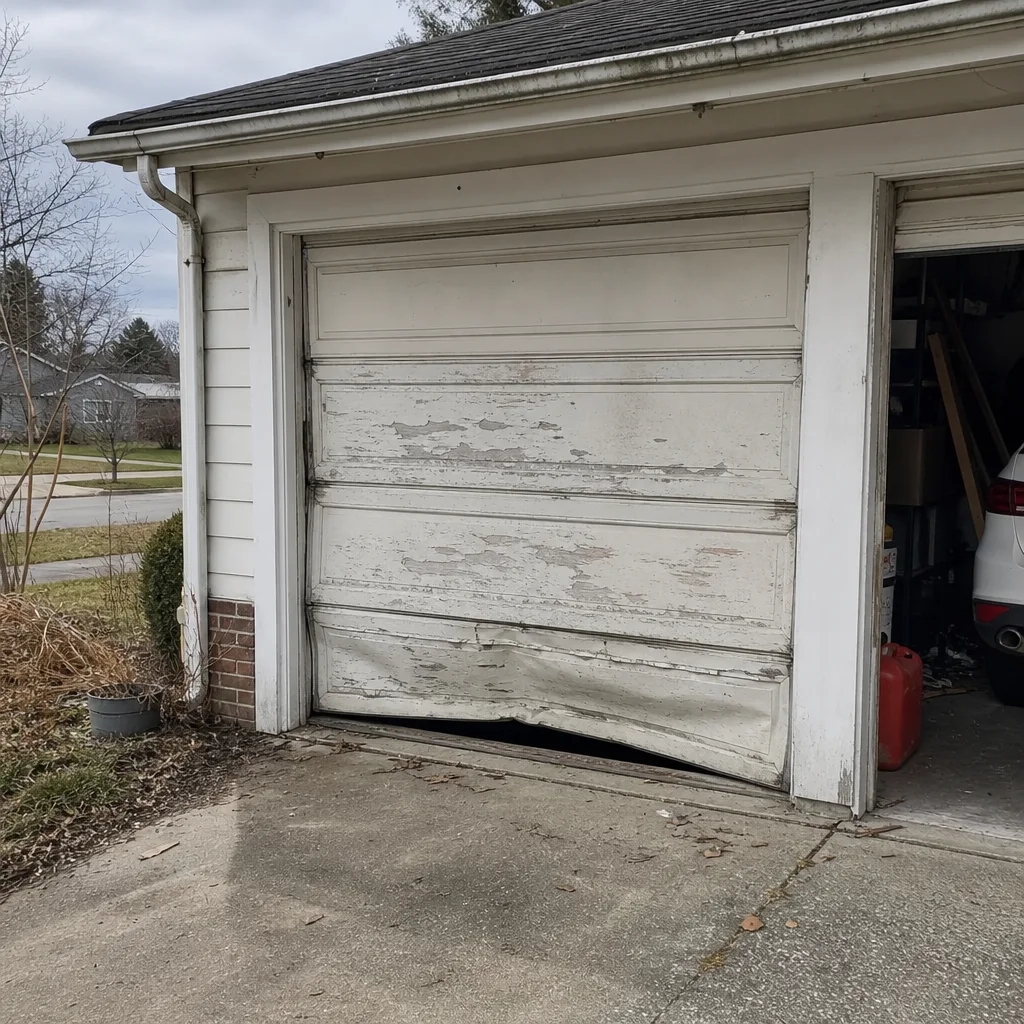 Before
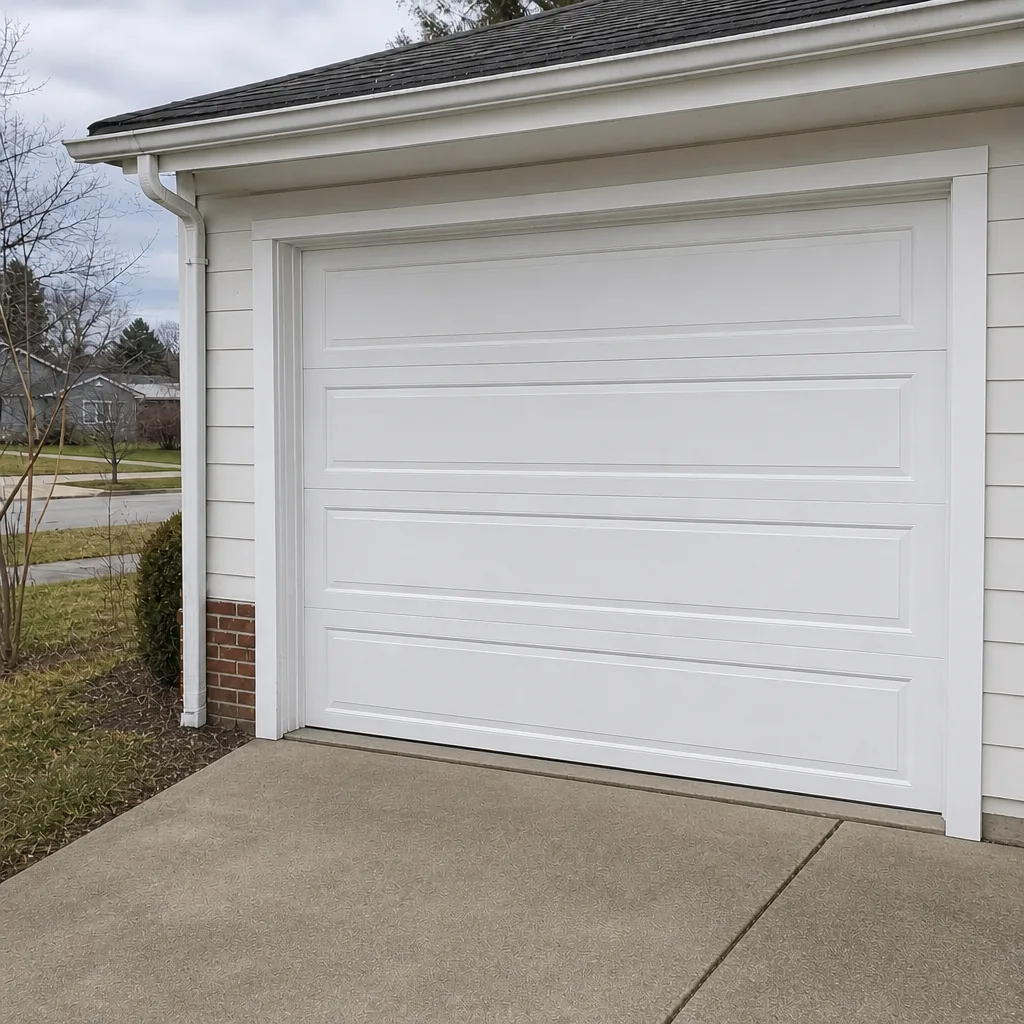 After
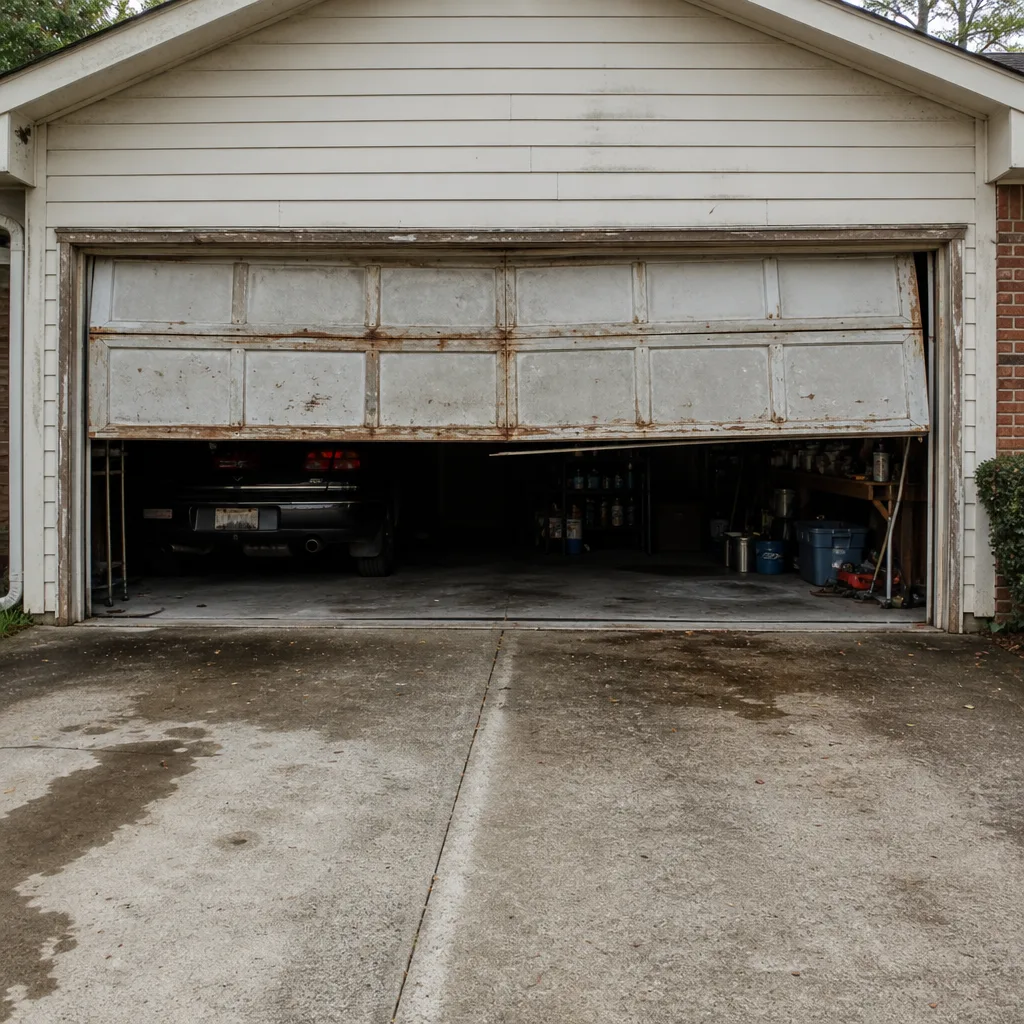 Before
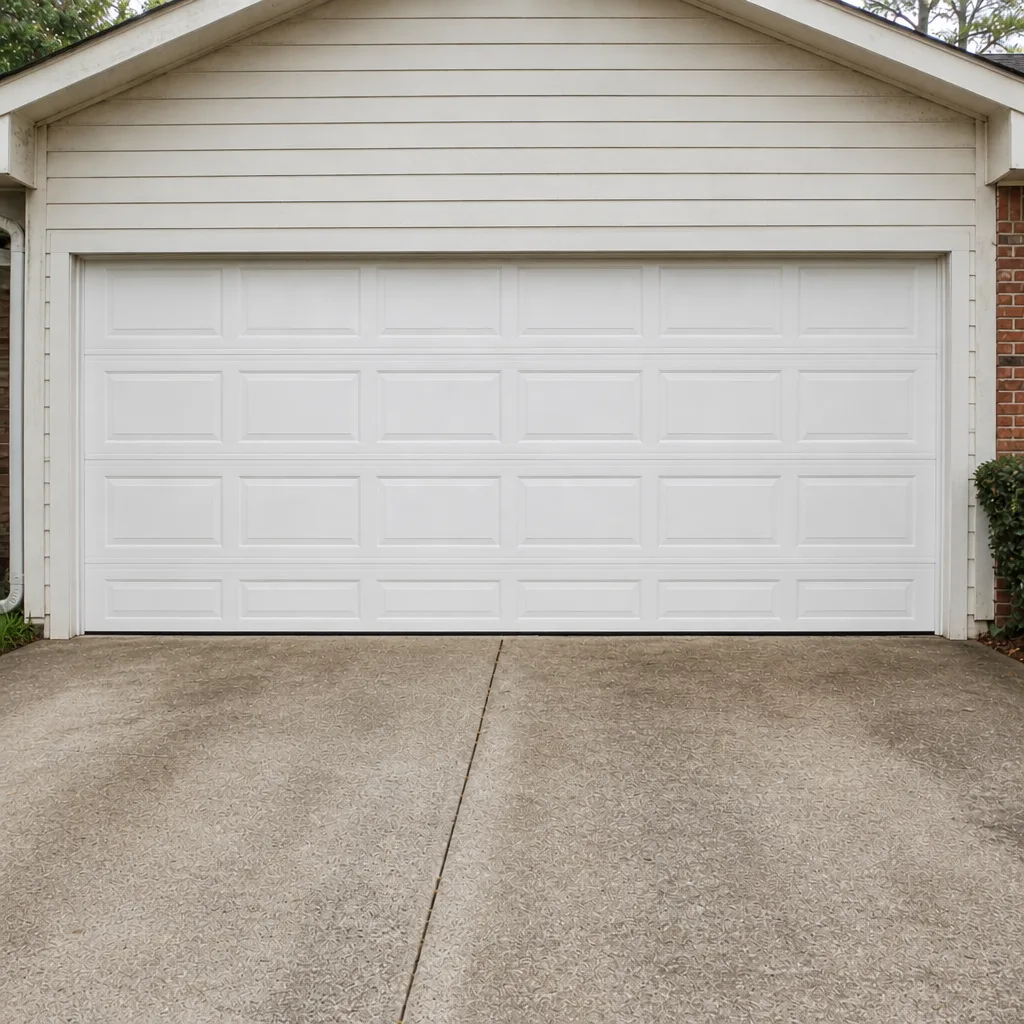 After
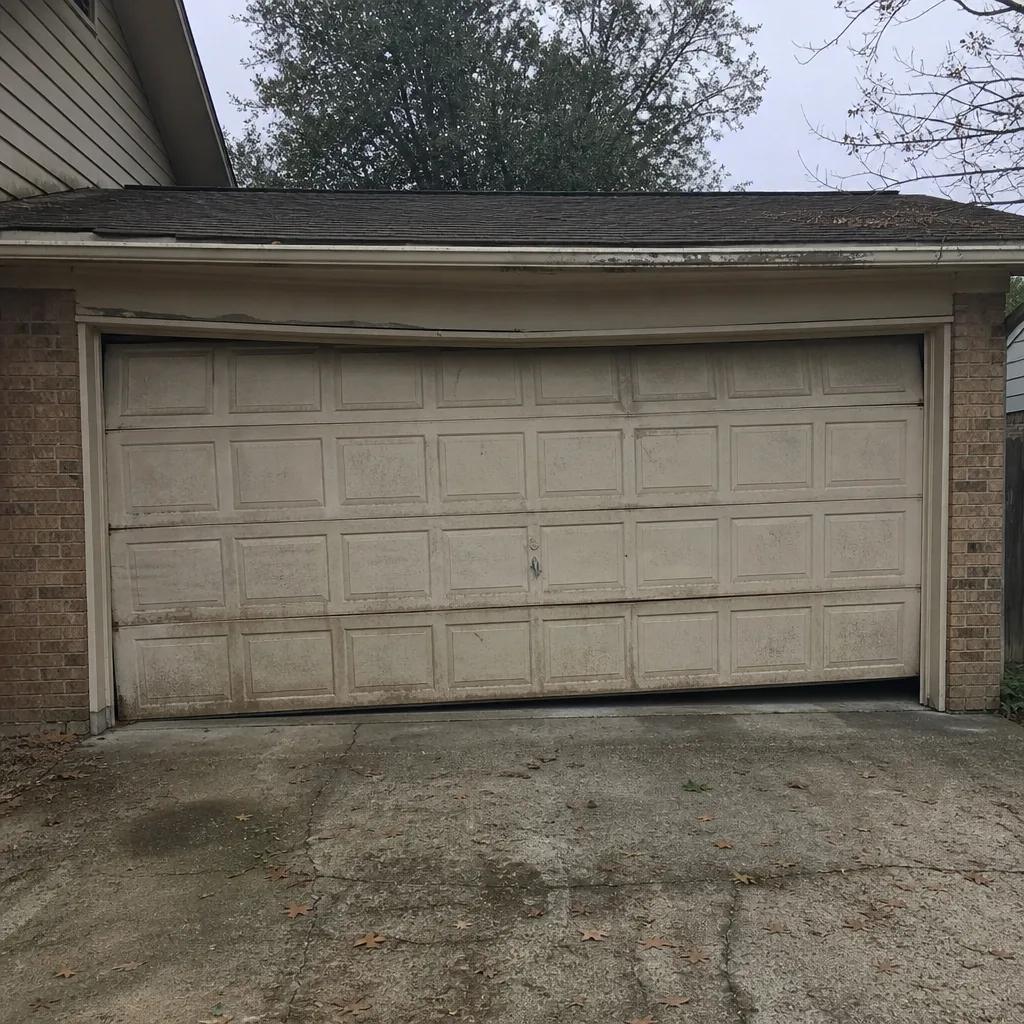 Before
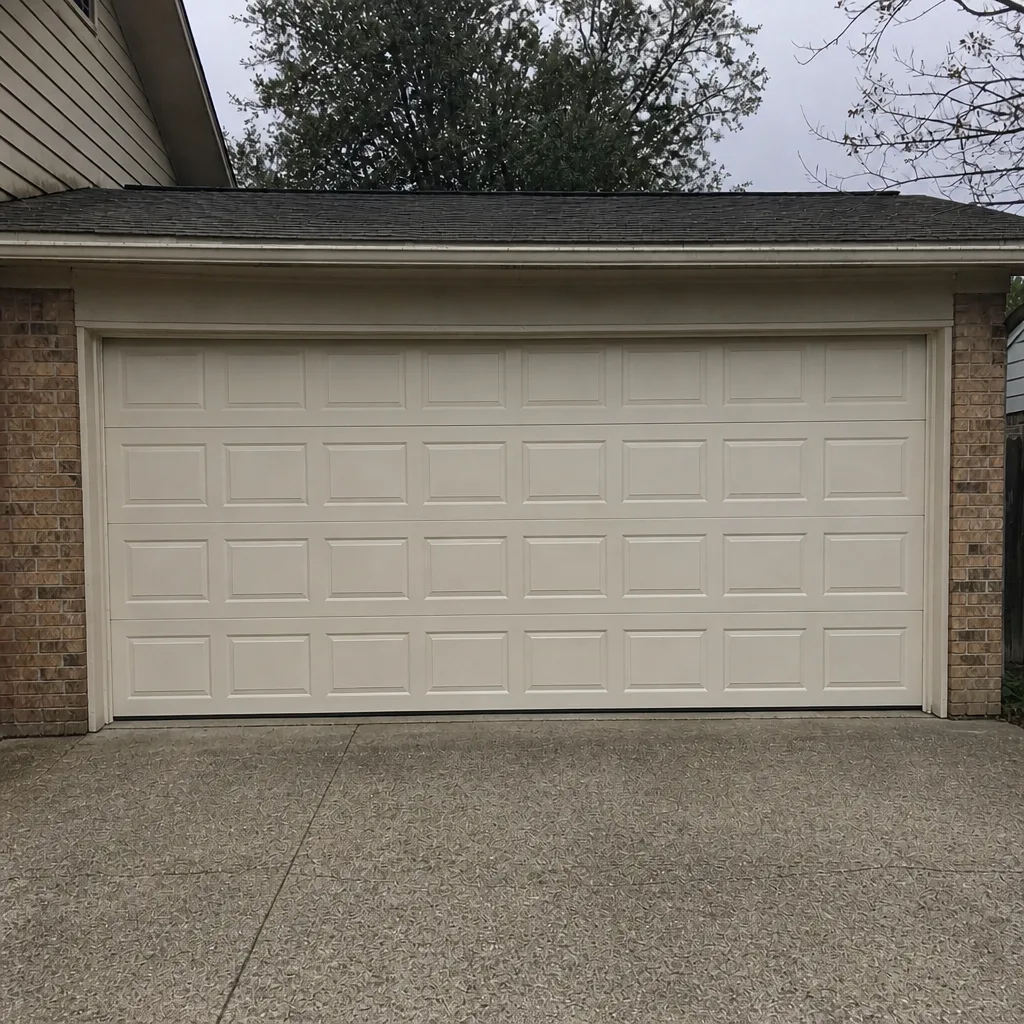 After
When to Call a Professional
Call a professional the moment a spring shows a gap, a cable shows fraying, the door drops or rises on its own when half-open, or the safety reverse fails. Those are the four conditions where continuing to use the door risks injury or bigger damage. Also call when the door won’t stay level, a track is bent, a panel is cracked, the opener grinds or bangs, or you simply can’t tell whether a noise is normal. A yearly professional safety inspection is a good baseline even when nothing seems wrong, because a trained eye catches things the monthly check won’t. Gable Garage Door Repair offers free estimates in Wilmington – call (866) 961-8704. We answer 24/7, and fast dispatch runs 7am to 7pm, Sunday through Friday.
Frequently Asked Questions
Three to four times a year in this climate, rather than the twice-a-year figure most checklists give. The humidity here wears lubrication faster, so the passes should track the weather rather than a fixed calendar. If you’re not sure what products your door takes, call (866) 961-8704 for a free estimate.
No, and this is not a task to attempt. Torsion and extension springs are under extreme tension and can release with enough force to cause serious injury or worse. Spring work belongs to a trained technician with the proper tools. Call (866) 961-8704 and we’ll take it from there.
Torsion springs sit on a shaft above the door; extension springs run along the sides. Both need the same visual checks and lubrication, but torsion springs fail more often with a visible gap, so check for that monthly. Either way, adjustment and replacement are technician work. Call (866) 961-8704 for an assessment.
Yes – a trained eye catches wear that a monthly check won’t, especially on springs, cables, and the opener’s travel limits. Once a year is the useful baseline even for a door that seems healthy. Gable Garage Door Repair offers free estimates in Wilmington – call (866) 961-8704.
Summer humidity is thinning the lubrication and stiffening the rollers, which is why the noise shows up when the air is wettest. A lubrication pass often quiets it; if the grinding persists, a roller or track issue needs a look. Call (866) 961-8704 for a free estimate.
A thorough inspection takes about 20 minutes and covers springs, cables, rollers, tracks, balance, the weather seal, the safety reverse, and the opener’s travel limits. It’s not an afternoon project. To book one in Wilmington, call (866) 961-8704.
The Bottom Line
The best garage door maintenance schedule isn’t a calendar – it’s a set of triggers tied to what your door has actually been through. In Wilmington, that means a five-minute check each month, a lubrication pass three to four times a year with the right products, a hardware review before storm season and a visual check after, a careful post-summer humidity inspection, and a professional safety inspection once a year. Know where the line falls between what you can safely do and what belongs to a technician, use the pass/fail criteria to decide when to act, and keep a running log so you can see slow changes before they become expensive ones. A door treated this way lasts longer and stays safer.
If anything on this schedule has you unsure, or a spring, cable, or opener needs a professional eye, we’re here to help. Gable Garage Door Repair handles garage door repair, opener repair, and full installation across Wilmington, including all eight major brands. Call (866) 961-8704 for a free estimate. We answer 24/7. Fast dispatch from 7am to 7pm, Sunday through Friday.
Written by the team at Gable Garage Door Repair.