
Last updated November 15, 2026
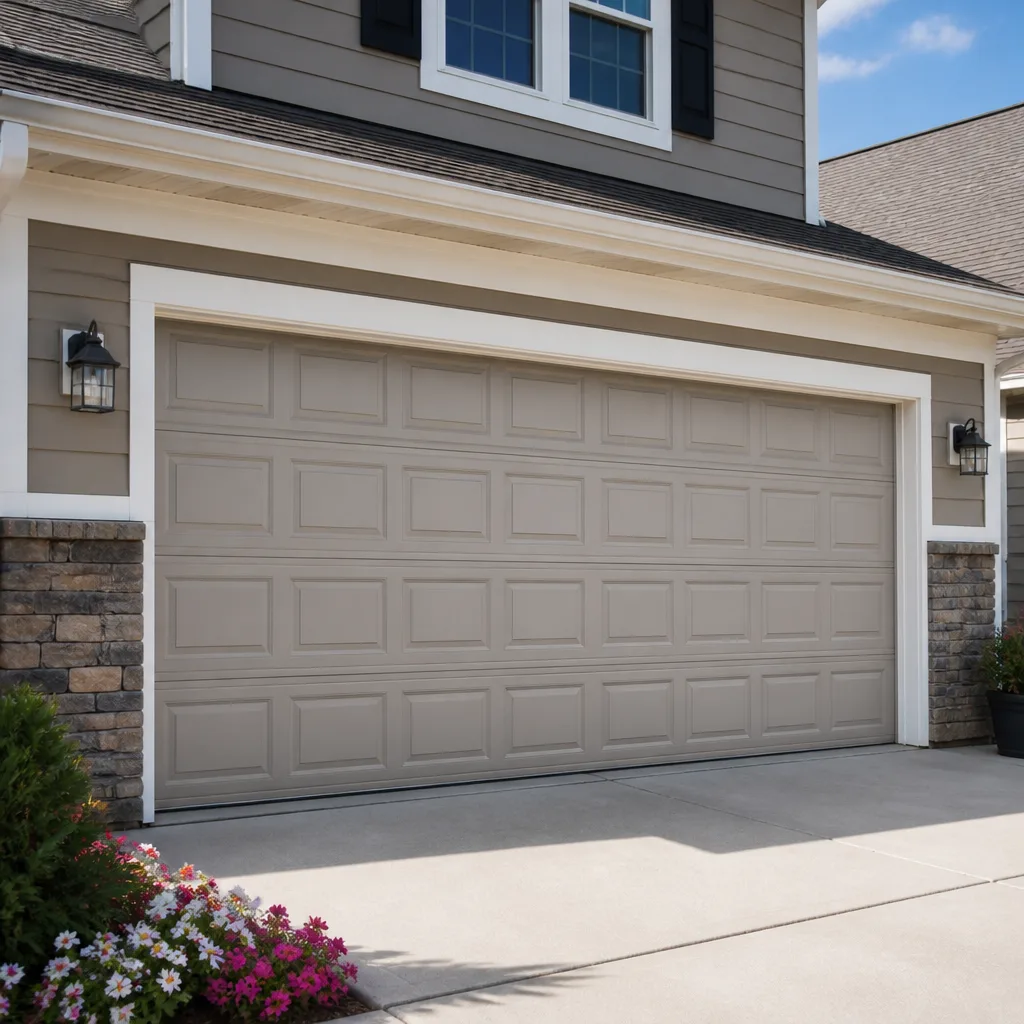 Raised-panel steel
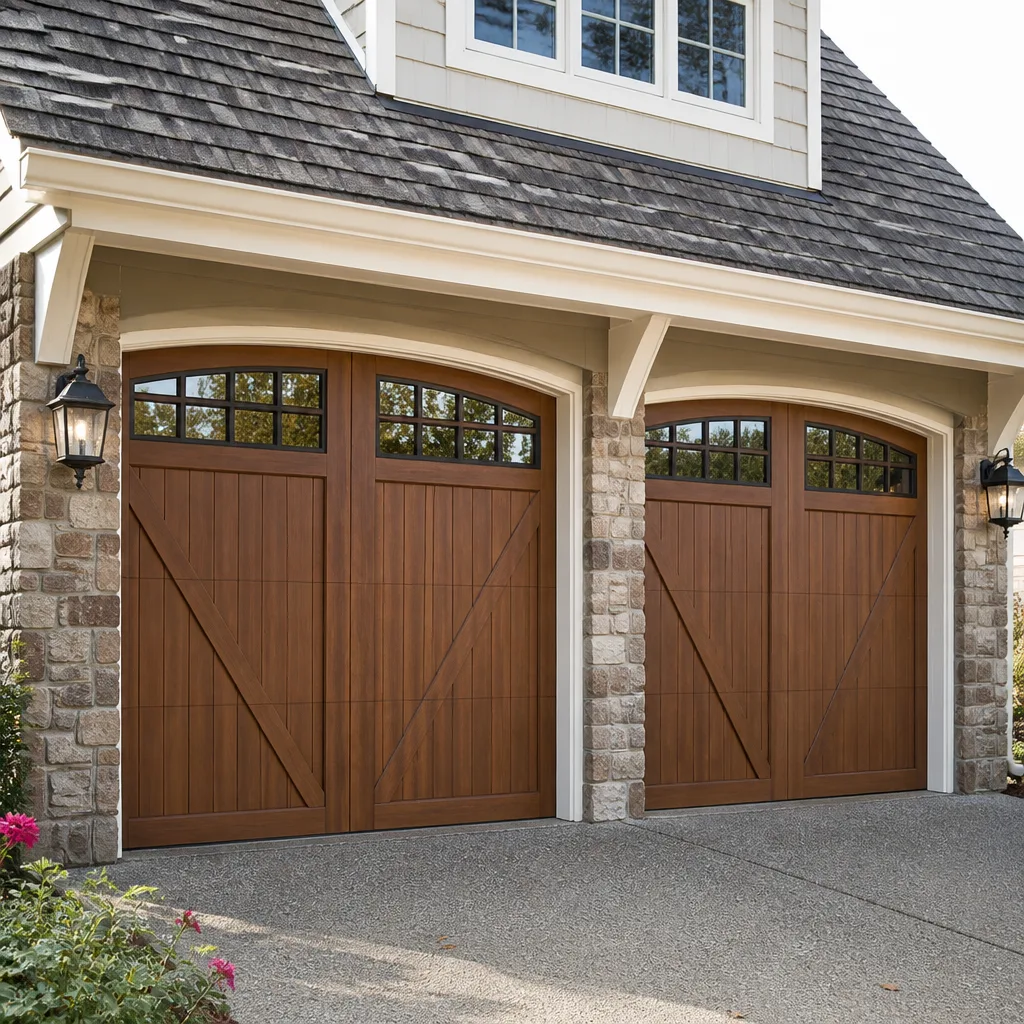 Carriage house
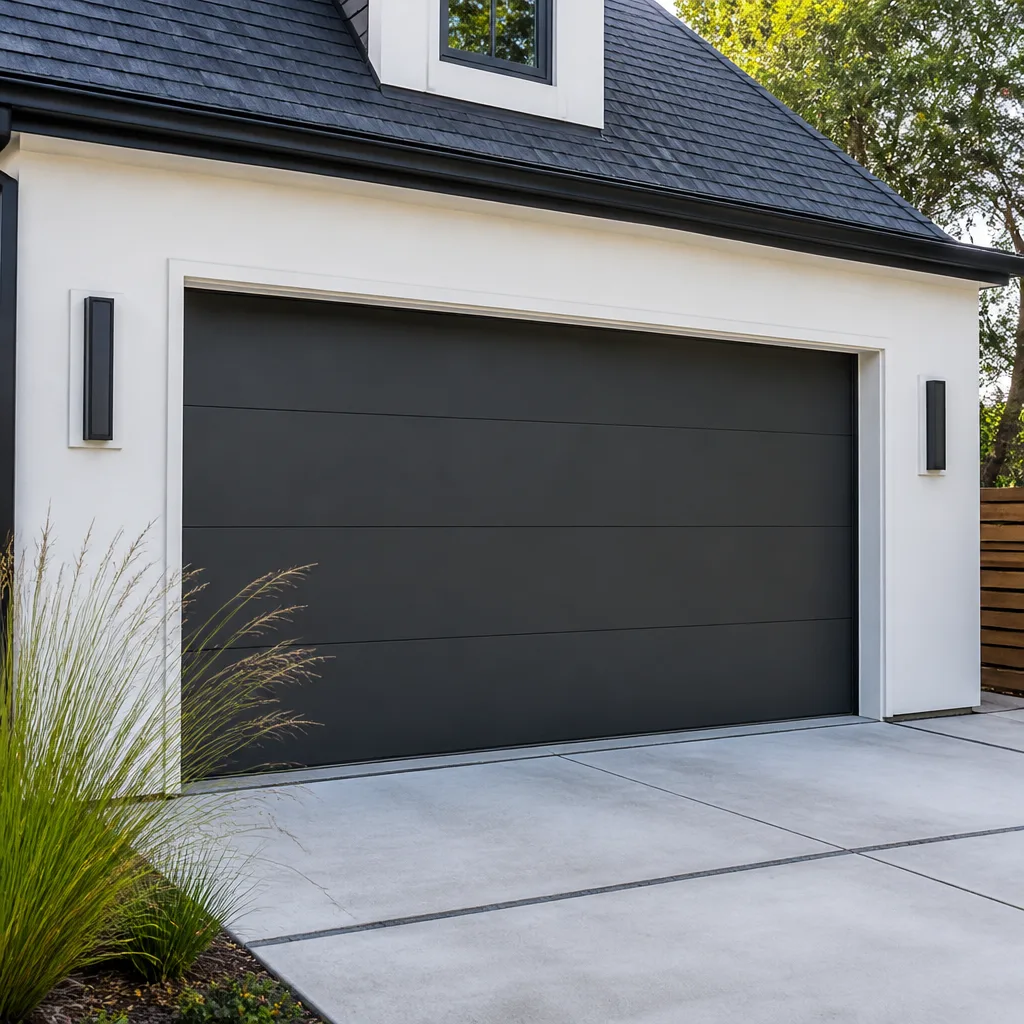 Modern flush
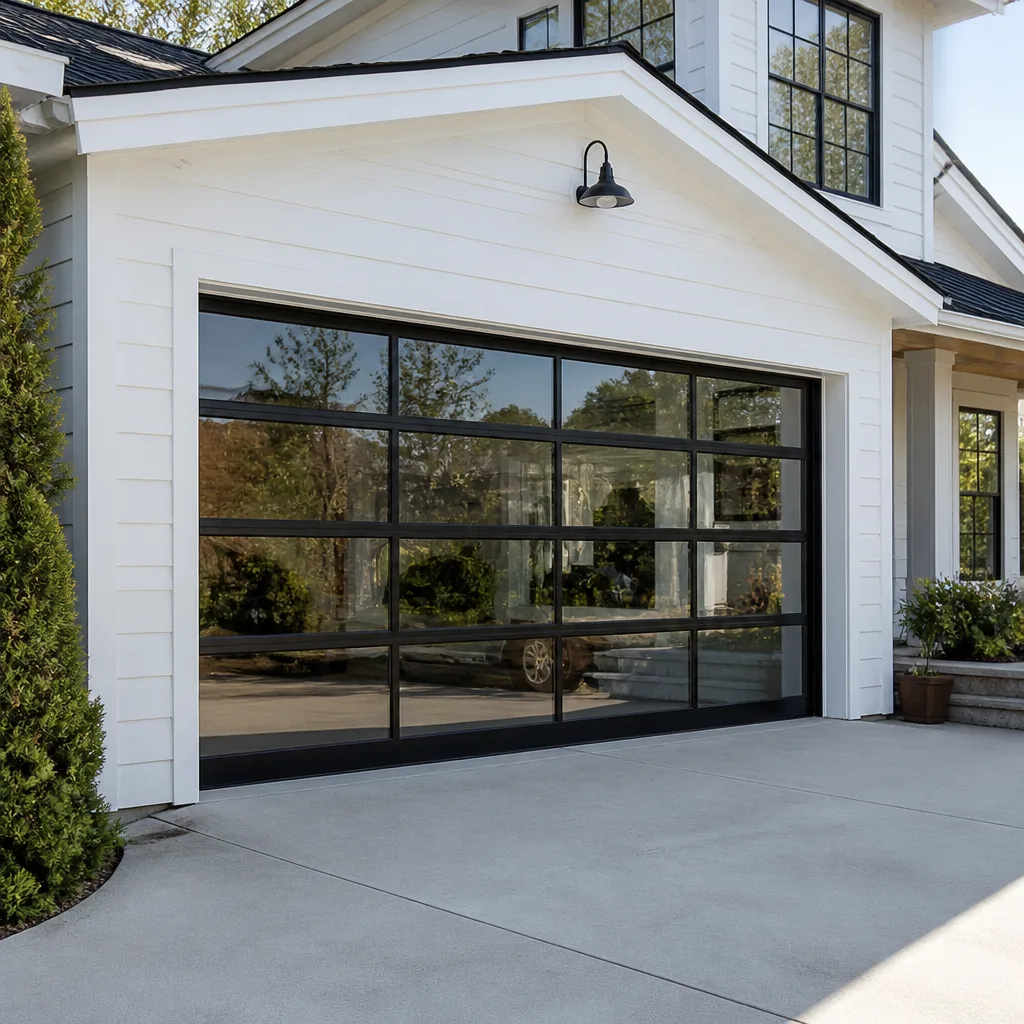 Full-view glass
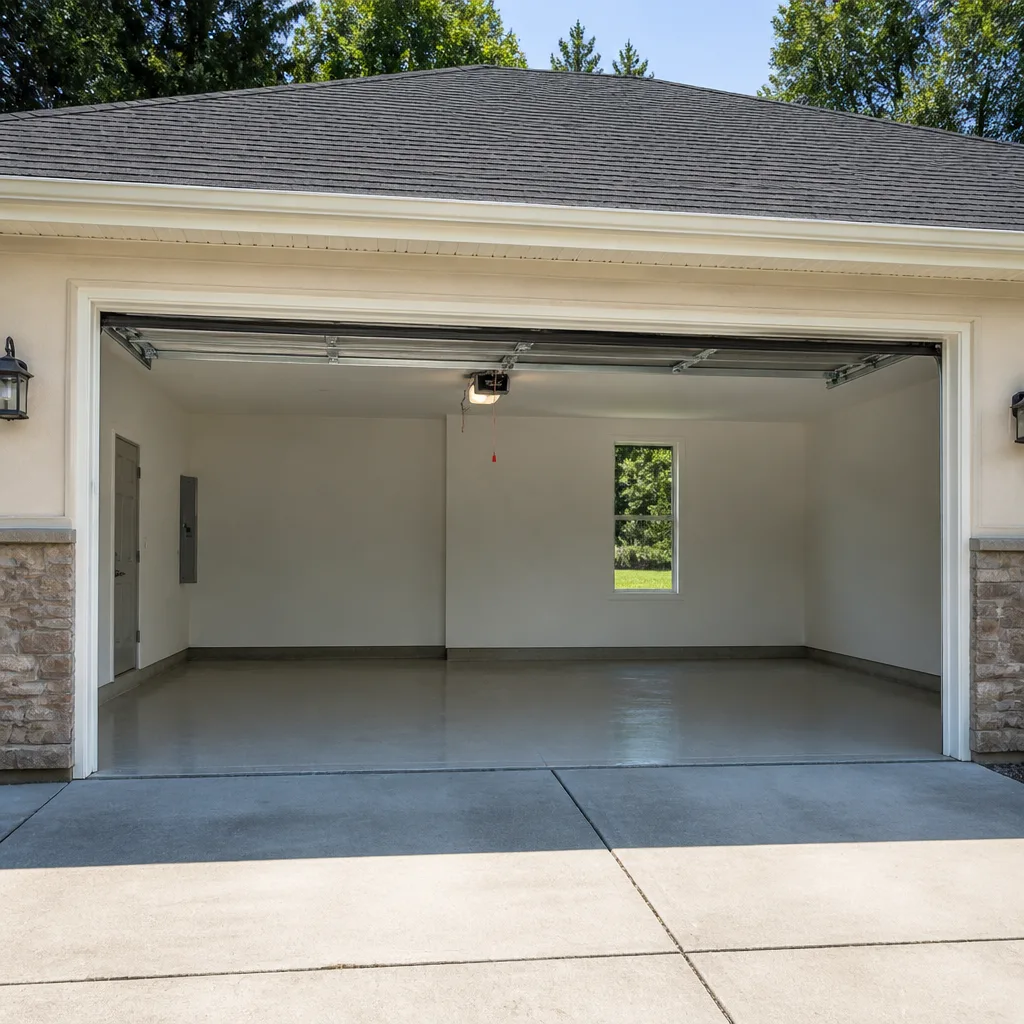 LiftMaster openers
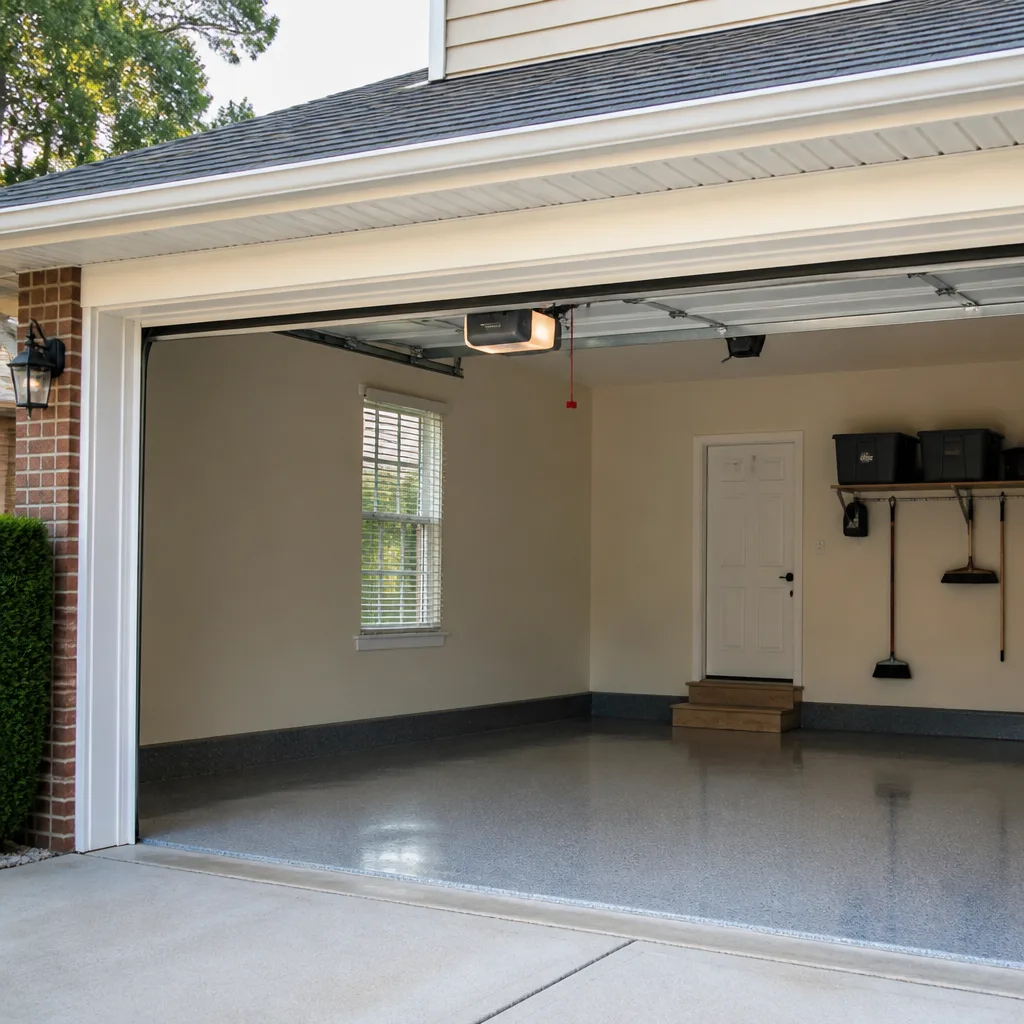 Chamberlain openers
Full 25-point door and opener safety check with every visit - springs, cables, rollers, tracks, and your LiftMaster or Chamberlain opener included
You get a price before we start. It does not change when the pro arrives.
Get your free estimateGarage Door Warning Signs: A Wilmington Homeowner’s Reference Guide
A garage door that hesitates for two seconds before it moves isn’t “just old.” That pause is usually a torsion spring that has lost tension, and it means your opener motor is working far harder than it was built to. Most homeowners wait for something to break before they call anyone. The better move is to learn what a healthy door looks like in motion and in sound, so you can catch the problem while it’s still cheap to fix. This guide teaches you to read the door itself – its noises, its travel patterns, and the visual cues that matter in Wilmington’s humidity. What you learn here helps you decide whether you have a slow emergency or a stop-using-it-today situation.
Quick Answer
The most common garage door warning signs in Wilmington are a grinding or popping noise during travel, a door that moves unevenly or jerks near the top, white mineral deposits on the torsion spring coils, and an opener that reverses without any obstruction in the way. Any of these means a component is wearing or out of balance. A door that won’t stay up, drops suddenly, or has a visibly bent track should not be used until a technician inspects it.
Styles & brands we work with
- Raised-panel steel
- Carriage house
- Modern flush
- Full-view glass
- LiftMaster openers
- Chamberlain openers
Table of Contents
- What the Noise Is Telling You
- Visual Warning Signs Wilmington Homeowners Miss
- Movement Pattern Warnings
- Opener Behavior as a Warning Proxy
- The Slow Emergency vs. the Stop-Now Problem
- A Monthly Inspection You Can Do in Five Minutes
- Common Mistakes to Avoid
- When to Call a Professional
What the Noise Is Telling You
Every garage door problem has a sound signature, and once you know which noise belongs to which component, you can describe the issue accurately before anyone arrives. Here’s how to decode the four noises Wilmington homeowners describe most often.
Grinding
Grinding usually points to the rollers or the torsion hardware. When roller bearings dry out or flatten, the metal housing scrapes against the track instead of rolling smoothly. Grinding that gets worse over a few weeks is a slow wear problem. Grinding that starts suddenly and sounds like metal on metal is a roller that has seized and is now dragging, which stresses both the track and the opener.
Popping
A single loud pop when the door starts moving, or a series of pops as it travels, most often means a torsion spring is slipping on its shaft or a cable is jumping its drum. This one deserves attention quickly. Popping is the sound of tension being released in an uncontrolled way, and it’s the noise homeowners report right before a spring fails.
Scraping
Scraping that follows the door all the way up or down is usually a panel rubbing against the frame or a track that has shifted out of alignment. In Wilmington, scraping tends to show up after a stretch of hot, humid weather followed by cooler nights, because wood framing and metal tracks expand and contract at different rates. If the door scrapes only at one point in its travel, that point is where the track has moved.
Squealing
A high-pitched squeal is almost always a lubrication or bearing issue, not a structural one. It’s the least urgent of the four noises, but it’s also the easiest to resolve, and ignoring it lets the underlying wear progress. Squealing rollers become grinding rollers within a season or two.
If you hear anything on this list and want it looked at by someone who works on the specific hardware you have, our garage door repair service covers springs, rollers, tracks, and cables on the brands found in most Wilmington homes.
Visual Warning Signs Wilmington Homeowners Miss
Some of the most important warning signs never make a sound. They’re visible if you know where to look, and they’re the ones most homeowners walk past every day without registering.
White Deposits on the Spring Coils
This is the coastal-adjacent visual cue that matters most in Wilmington. Look at your torsion spring – the horizontal coil mounted above the door – and check for a chalky white or powdery residue on the coils. Those mineral deposits indicate moisture has been getting into the steel, and where moisture goes, fatigue follows. A spring with visible white deposits is on borrowed time even if it hasn’t broken yet. It’s the kind of thing that’s easy to spot in a photograph and hard to notice in person unless you know to look.
Spring Gaps
A healthy torsion spring is one continuous coil. If you see a gap of an inch or more between coils, the spring has stretched and lost tension. That stretched spring is why your door feels heavy and why your opener is straining.
Sagging or Separated Panels
Step back from the door and look across the bottom edge with one eye closed. A door that sags in the middle or has a panel that sits lower than its neighbor has a structural problem. Panel separation can come from impact, from a warped frame, or from a door that’s been running out of balance for a while.
Cable Wear
The lift cables run from the bottom corners of the door up to the drums on the spring shaft. Frayed strands, rust, or a cable that looks loose on the drum are all warnings. A cable failure is one of the genuinely dangerous garage door failures, and it’s not something to test by hand.
If any of these visual signs are present, our Gable Garage Door Repair team can assess whether repair or replacement makes more sense for your door.
Movement Pattern Warnings
Watch your door open and close once, deliberately, the way you’d watch a car pull out of a parking space. The pattern of movement tells you almost as much as the sound does.
- Asymmetric travel. One side of the door reaches the top before the other. This usually means a spring on one side has lost tension, or a cable has stretched. Left alone, it warps panels and wears tracks unevenly.
- Jerking near the top of the arc. A door that travels smoothly for two-thirds of the way and then jerks in the last stretch has a balance problem. The spring is supposed to counterbalance the door’s weight through the full arc. When it stops doing that near the top, the opener is lifting dead weight.
- Drift after stopping. Open the door halfway and let it stop. If it drifts down on its own within a few seconds, the springs have lost tension and aren’t holding the door’s weight. That’s a balance issue, and it’s an early warning.
- Hesitation at the start. That two-second pause from your opening hook is a classic sign. The opener has to build up extra force to overcome a door the springs should be lifting for it.
- Slamming at the bottom. A door that drops the last few inches and bangs is either out of balance or has a limit-setting problem in the opener. Both are worth fixing before the bottom section takes the impact.
Movement problems compound. A door that jerks today will wear its rollers and track faster than a smooth one, so the earlier you address the pattern, the cheaper the eventual repair. Many of these balance issues also show up as opener symptoms, which is why we handle both under one roof – you can read more about garage door opener repair if your opener is the thing acting strangely.
Opener Behavior as a Warning Proxy
Your opener is the most talkative component on the whole system. It tells you what’s wrong with the door, even when the problem isn’t in the opener itself.
Auto-Reverse Without an Obstruction
This is the warning sign homeowners misread most often. When a door reverses partway down with nothing in its path, the immediate assumption is a bad sensor. But if the sensors are clean, aligned, and lit, the real culprit is usually a balance problem. The opener is meeting resistance it doesn’t expect – a door that has gotten heavier because its springs have lost tension – and it interprets that resistance as an obstruction. The auto-reverse is doing its job. It’s reporting a door problem, not a sensor problem.
New Force Settings or Random Reversals
On a LiftMaster or Craftsman unit, the opener may reverse on its own after months of working fine. If you’ve already cleaned and realigned the safety sensors and the door still reverses, the opener is telling you the door has changed. Diagnosing by brand rather than by guesswork is exactly why we work on Wilmington openers with manufacturer-specific knowledge instead of trial and error.
Remote or Keypad Range Shrinking
A remote that used to work from the end of the driveway and now only works from ten feet away often has a failing battery or a worn receiver. On older Genie and Chamberlain units, range loss is a common early sign that the logic board or the antenna connection is aging.
Motor Running With No Door Movement
If you hear the opener run but the door doesn’t move, the trolley or the drive belt has failed, or the door is stuck. Stop pressing the button and call. Running the motor against a stuck door overheats the unit and can turn a small repair into a full opener replacement.
The Slow Emergency vs. the Stop-Now Problem
Not all warning signs carry the same urgency. Some give you a comfortable window to plan a repair, and some mean you shouldn’t use the door again until someone looks at it. Separating the two is the skill that saves homeowners the most money and trouble.
Warning Signs With a 30-Day Window
These signs tell you something is wearing but hasn’t failed. You have time to schedule a repair on your terms.
- Gradual increase in noise over several weeks
- Squealing that comes and goes
- White deposits on the spring coils without any visible gap
- A door that needs one extra press of the button to start moving
- Remote range that’s slowly shrinking
- Minor scraping at a single point in travel
Stop-Now Problems
These signs mean the door is unsafe to operate. Stop using it and call a professional.
- A spring that has broken visibly (a gap in the coil)
- A door that won’t stay up when you lift it by hand
- A door that drops suddenly or free-falls
- A visibly bent track
- A frayed lift cable
- A door that won’t open or close evenly at all
- Loud popping sounds during travel
Those stop-now problems all involve stored energy in the torsion system. Garage door springs hold enormous tension, and a cable or spring under load can cause serious injury if you touch it. Don’t try to adjust, lubricate, or remove a spring or cable yourself. Leave those to a trained technician who has the right tools and knows the door is under load. That’s a boundary we won’t cross, and neither should you. The safety of your family is worth the call.
For everything on the stop-now list, call (866) 961-8704. We answer 24/7, and fast dispatch runs from 7am to 7pm. If your call comes outside those hours, we’ll book the job into the next opening, Sunday through Friday. We’re closed Saturday.
A Monthly Inspection You Can Do in Five Minutes
A little routine attention catches most of these problems while they’re still small. Here’s the five-minute check, in order, in the form of a numbered walkthrough you can repeat every month.
- Listen first. Open and close the door once and just listen. Note any grinding, popping, scraping, or squealing. Match it to the sound section above.
- Watch the travel. Does it move evenly? Does one side lead the other? Does it jerk near the top? Does it drift down after stopping?
- Check the springs. Look at the torsion coil above the door. Any white deposits, any gaps, any rust streaks?
- Check the cables. Look at the lift cables at the bottom corners of the door. Any fraying, rust, or slack?
- Test the balance. Close the door, pull the manual release cord, and lift the door halfway. Let go. It should stay where you put it. If it falls or drifts, the springs need attention. (Reconnect the release afterward without opening the door.)
- Test the safety reverse. Place a small object like a rolled-up towel in the door’s path and close it. The door should reverse on contact. Clean and align the safety sensors if it doesn’t.
- Look at the hardware. Any bent tracks, missing bolts, or bent hinges? Any worn rollers? Any daylight showing where the door meets the frame?
Five minutes a month is the cheapest maintenance you can do. Write down what you hear and see, so if something changes you know it. Our technicians have up to 11 years of experience and have seen every variation of these signs in Wilmington-area homes, which means we can often tell you what’s wrong from your description before we arrive.
Common Mistakes to Avoid
- Spraying WD-40 on the torsion spring. This is the single most common mistake we see. The solvent in a general lubricant strips the factory grease out of the spring coils and actually accelerates wear. Use a proper garage-door-specific lubricant, and never touch the torsion spring yourself.
- Assuming an auto-reversing door has a bad sensor. If your sensors are clean and lit and the door still reverses, the real problem is usually the door’s balance, not the sensor. Replacing a sensor that isn’t broken wastes time and leaves the actual cause in place.
- Turning up the opener’s force setting to compensate for a heavy door. This hides the symptom and wears the motor out faster. If the door feels heavy, the springs are the problem, not the force setting.
- Ignoring a hesitation at the start. It’s tempting to chalk up a two-second pause to age. It’s usually a sign the springs are tiring and the opener is straining. Small fix today, bigger fix next season.
- Painting over rust or mineral residue on the spring. Painting hides the warning sign without solving the moisture problem underneath. Investigate why the moisture is getting in.
- Testing a door with a suspected spring problem by hand. A garage door with a broken or weak spring can drop without warning. Don’t stand underneath a door you’re not sure of, and don’t try to force it open or closed.
- Buying a new opener when the door is the problem. A new opener on a door with tired springs will fail the same way, faster. Fix the door and its balance first, then decide if the opener needs anything.
When to Call a Professional
Some warning signs are annual maintenance items and some are calls that can’t wait. Call a professional if you hear popping during travel, if the door won’t hold itself up when lifted by hand, if you see a broken spring or a frayed cable, if the door reverses without obstruction after you’ve cleaned the sensors, or if the door has visibly bent tracks or separated panels. If the door drops, free-falls, or won’t move at all, don’t use it until it’s been inspected. And if you’re simply not sure whether what you’re hearing is serious, it’s worth a free estimate to find out. That’s often the cheapest call a homeowner makes in a year, because catching a spring on its way out is cheaper than replacing one that’s failed. Gable Garage Door Repair offers free estimates in Wilmington – call (866) 961-8704, and we’ll tell you honestly whether repair or replacement makes more sense for your door.
See the difference
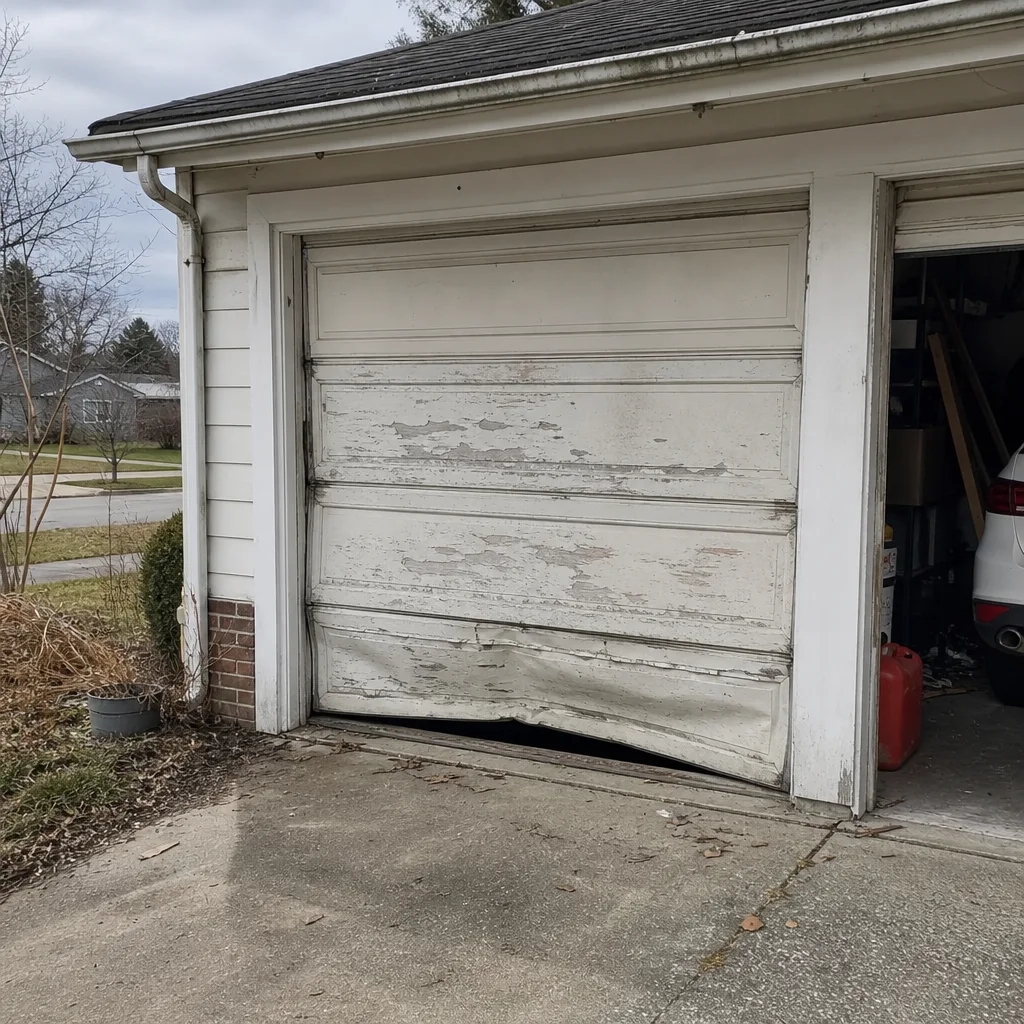 Before
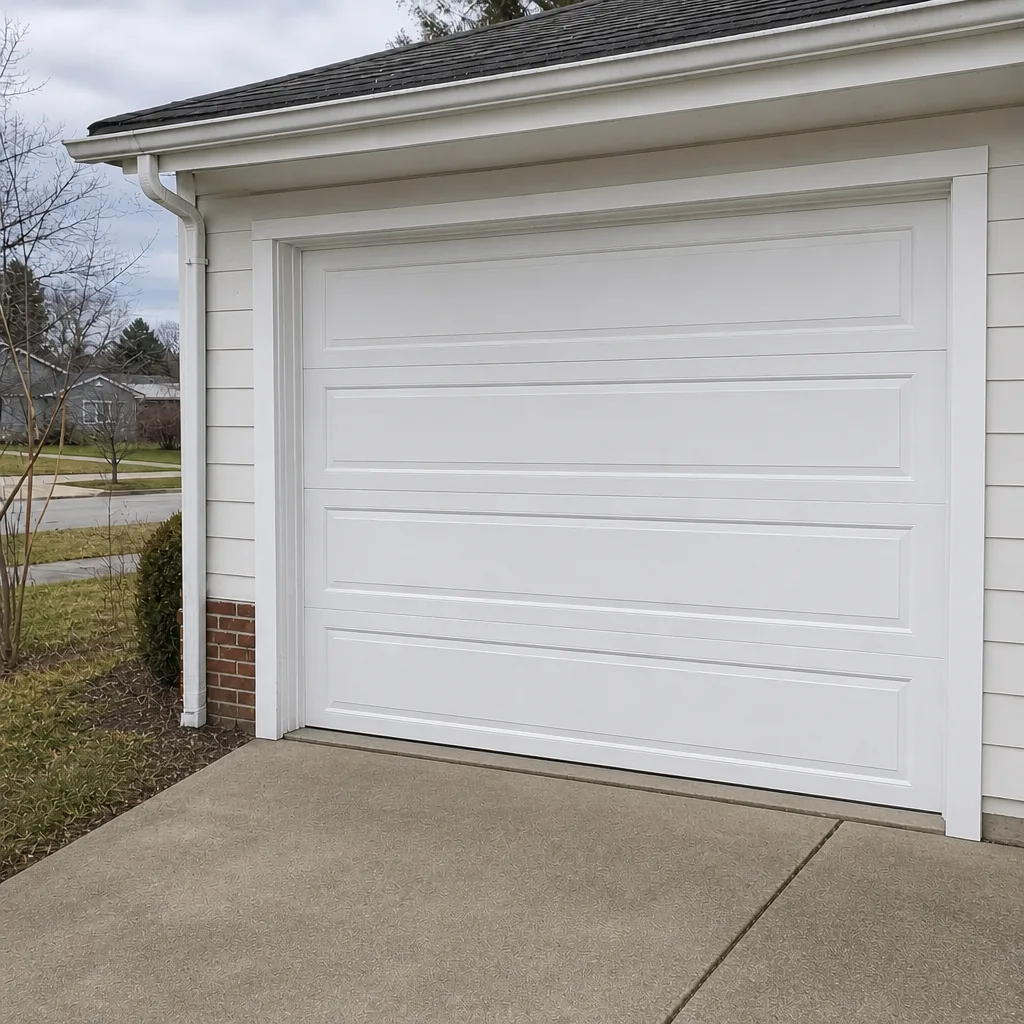 After
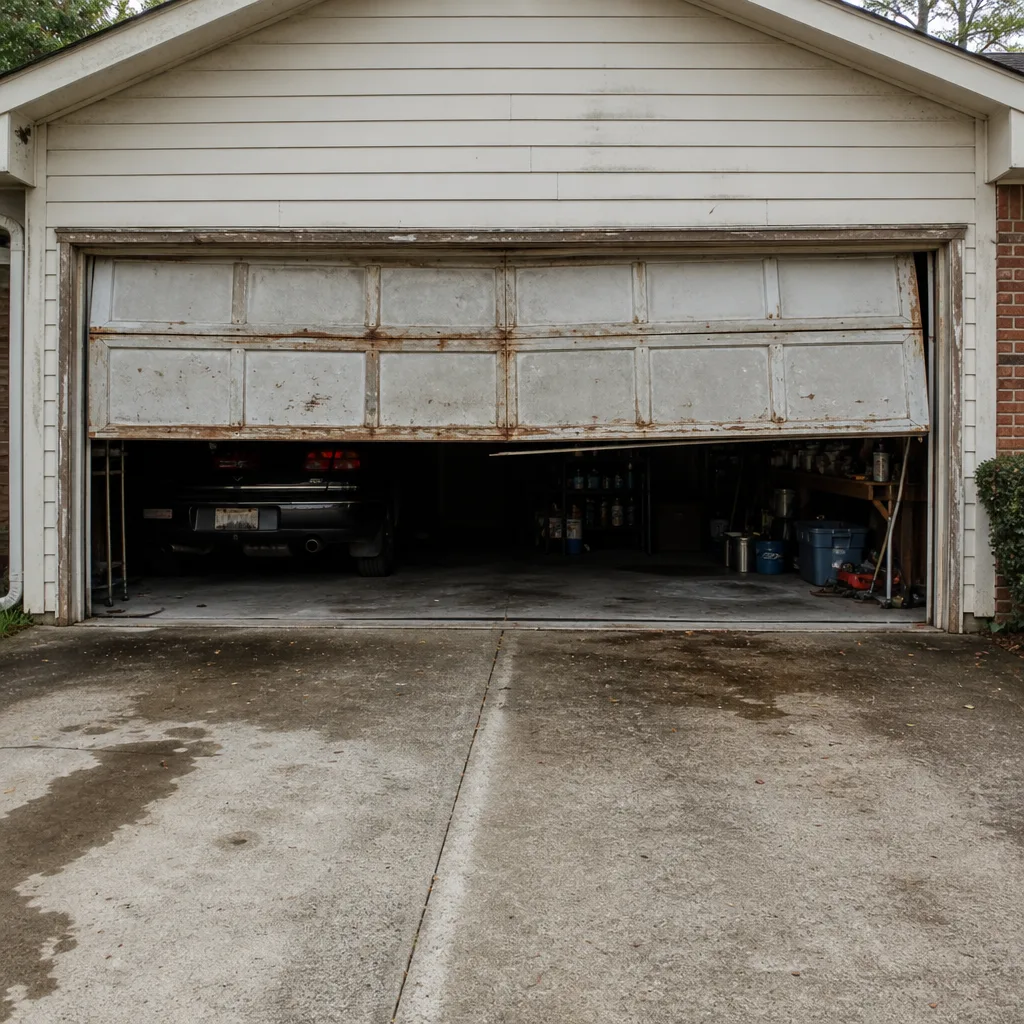 Before
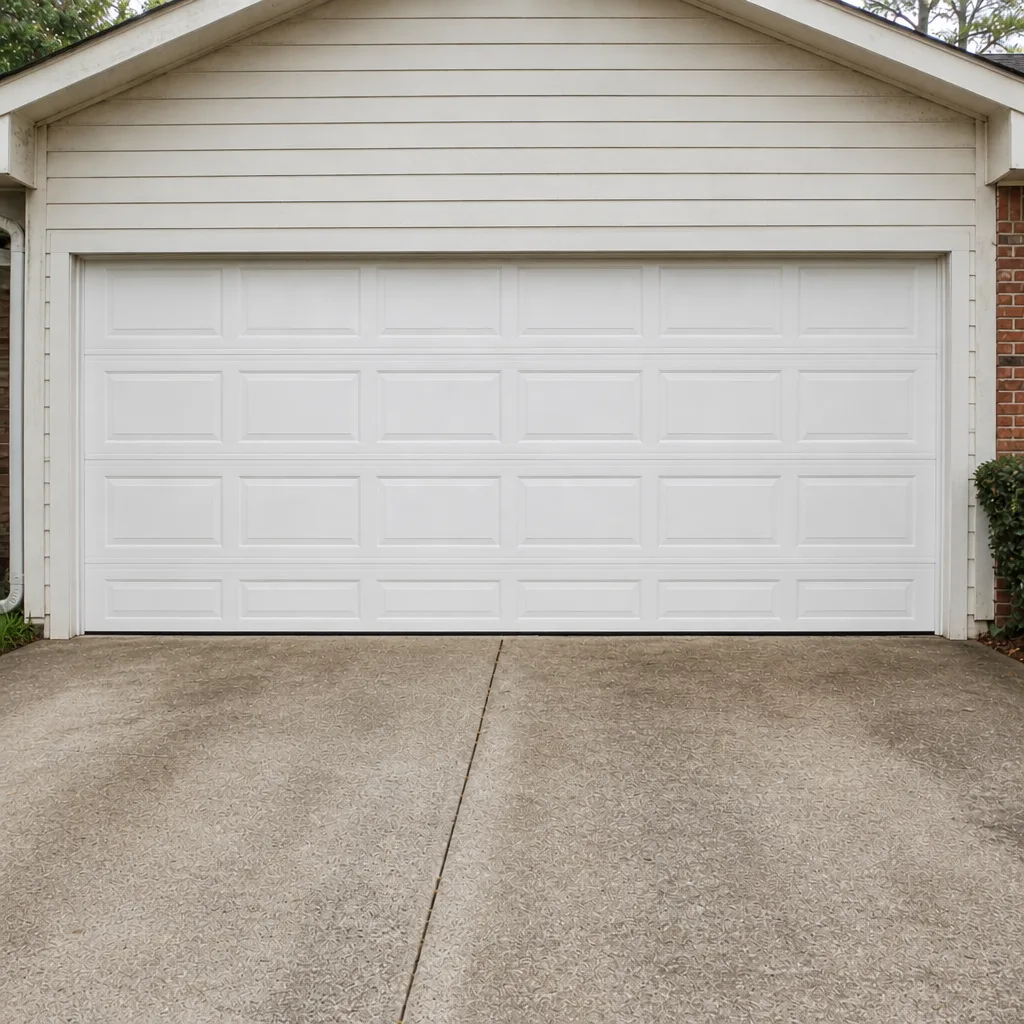 After
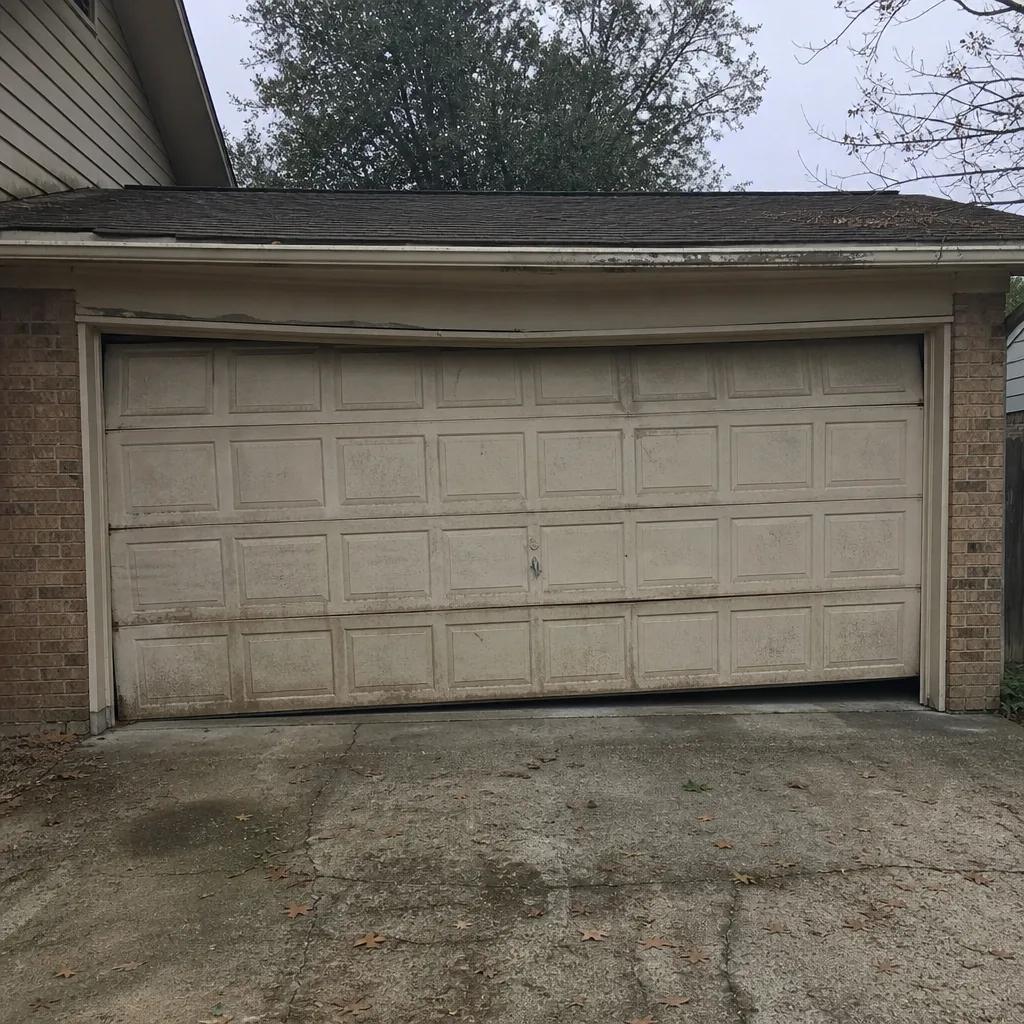 Before
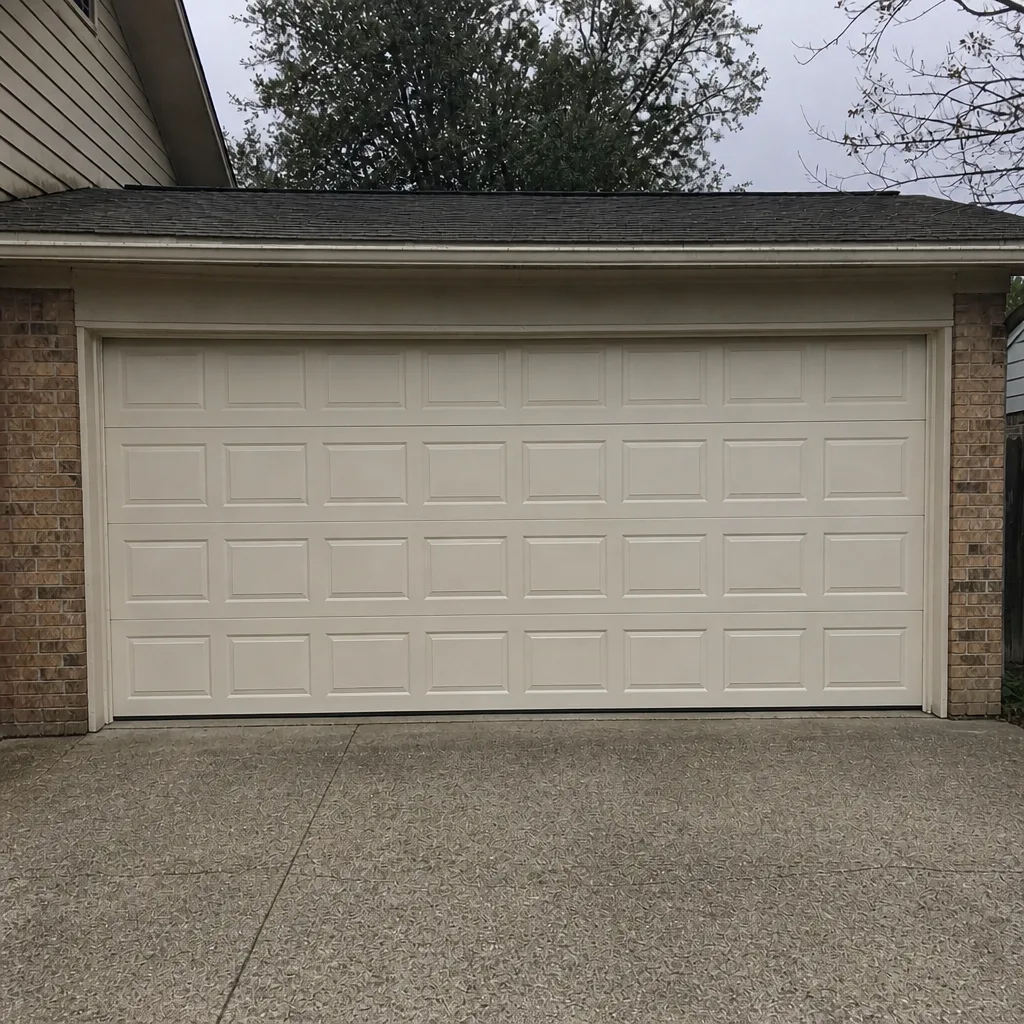 After
Frequently Asked Questions
A hesitation or pause at the start of travel is the most common warning sign we see. It usually points to a torsion spring that has lost tension, which forces the opener motor to work much harder than it should and shortens its life. If your door pauses before it moves, it’s worth a professional look before the opener fails too.
White, chalky deposits on the spring coils are a sign that moisture has been getting into the steel. They indicate fatigue is progressing, and a spring showing them is more likely to fail than one that isn’t. Have it inspected rather than cleaned off and ignored. Call (866) 961-8704 for a free estimate.
An auto-reverse without an obstruction almost always signals a balance problem, not a sensor problem. The opener feels extra resistance from a door that’s gotten heavier because its springs have lost tension, and it reads that resistance as something in its path. Cleaning and aligning the sensors won’t fix it. A technician should check the door’s balance and springs.
No. Garage door torsion springs hold an enormous amount of stored energy, and a spring or cable under load can cause serious injury. Leave this to a trained professional with the right tools. This is one of the few garage jobs a homeowner shouldn’t attempt, and the risk isn’t worth it.
Once a month is enough for the visual check, and once a year is a good baseline for professional service. In Wilmington’s hot, humid summers and temperature swings, springs and hardware see more stress than in a drier climate, so a monthly listen-and-watch is a smart habit. If you notice a change, call sooner rather than later – (866) 961-8704, and the estimate is free.
Yes, the brand and model matter. LiftMaster and Chamberlain openers have different logic-board behavior from Genie units, and lift hardware on a Wayne Dalton or Raynor door can behave differently from a Clopay or Amarr. We work on 8 major garage door and opener brands specifically – LiftMaster, Chamberlain, Genie, Clopay, Amarr, Wayne Dalton, Craftsman, and Raynor – so diagnosis matches your actual hardware rather than a generic approach. Call (866) 961-8704 for a free estimate.
The Bottom Line
Warning signs don’t all look the same. Some are sounds – grinding, popping, scraping, squealing – and each points to a different component. Some are visual cues, like the white mineral deposits on Wilmington spring coils that signal moisture fatigue. Some are movement patterns, like asymmetry, jerks near the top of the arc, and drift after stopping. And some show up as opener behavior, like a door that auto-reverses with nothing in the way. The trick is to know which are slow emergencies and which are stop-now problems, then act on both before the small fix becomes a big one. Check the door once a month, listen, and write it down. Our technicians have up to 11 years of experience, and we’re here to help when something looks wrong. Call (866) 961-8704. We answer 24/7, with fast dispatch from 7am to 7pm, Sunday through Friday. The estimate is free, and the price is quoted and agreed before any work starts.
Written by the team at Gable Garage Door Repair.