
Last updated November 15, 2026
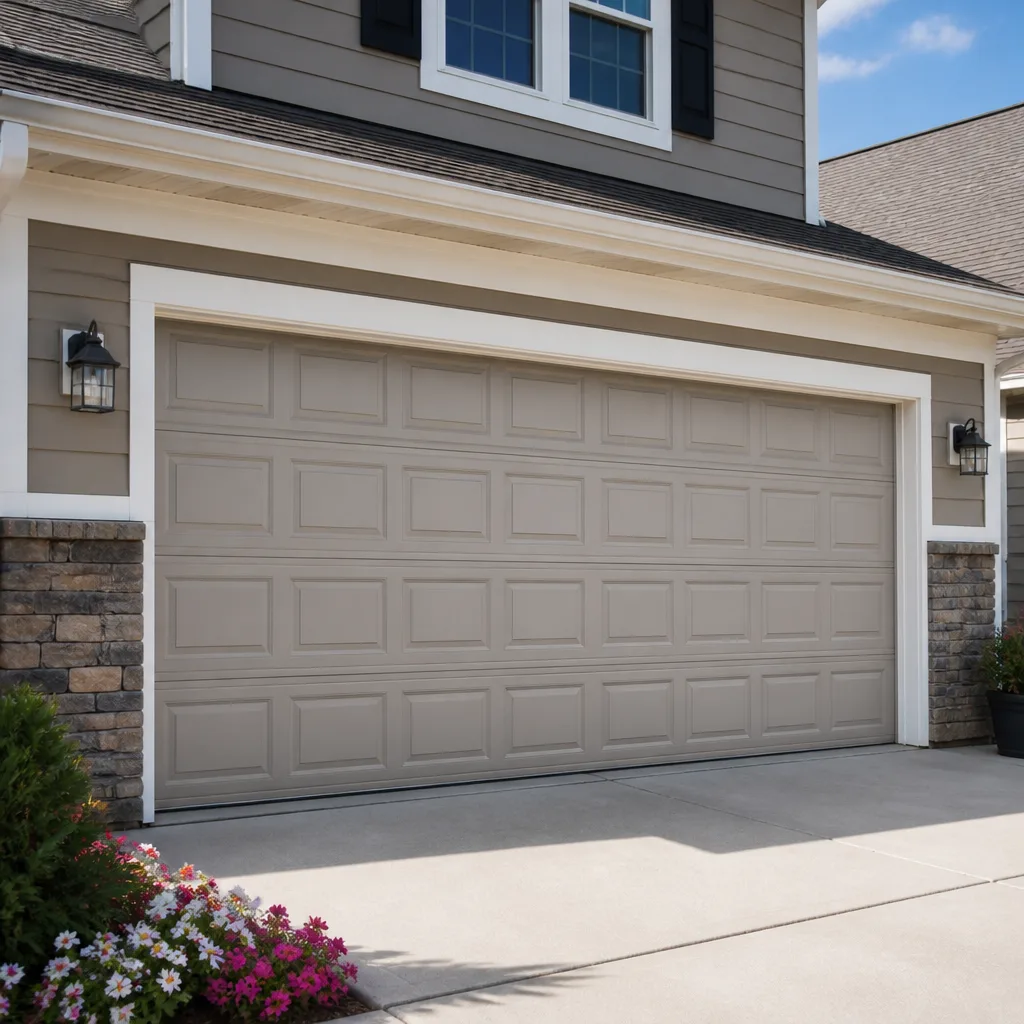 Raised-panel steel
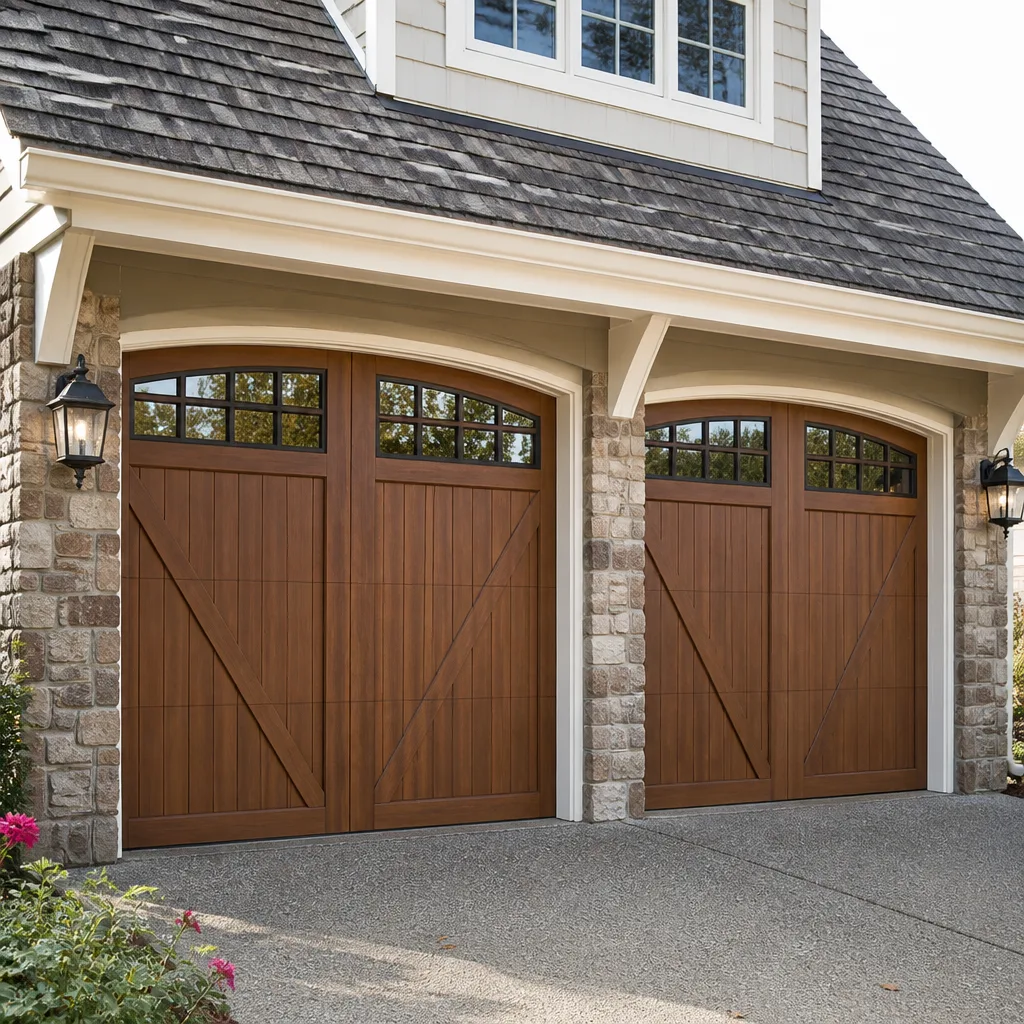 Carriage house
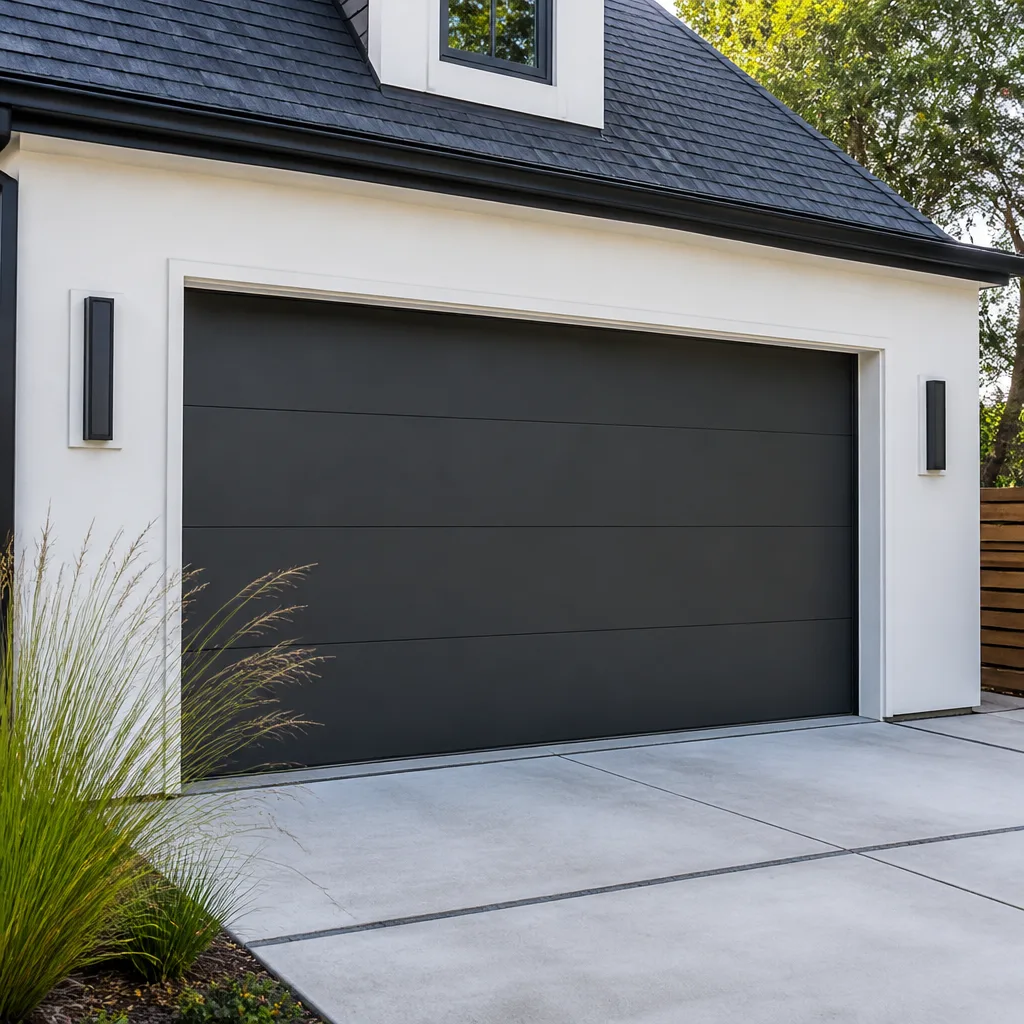 Modern flush
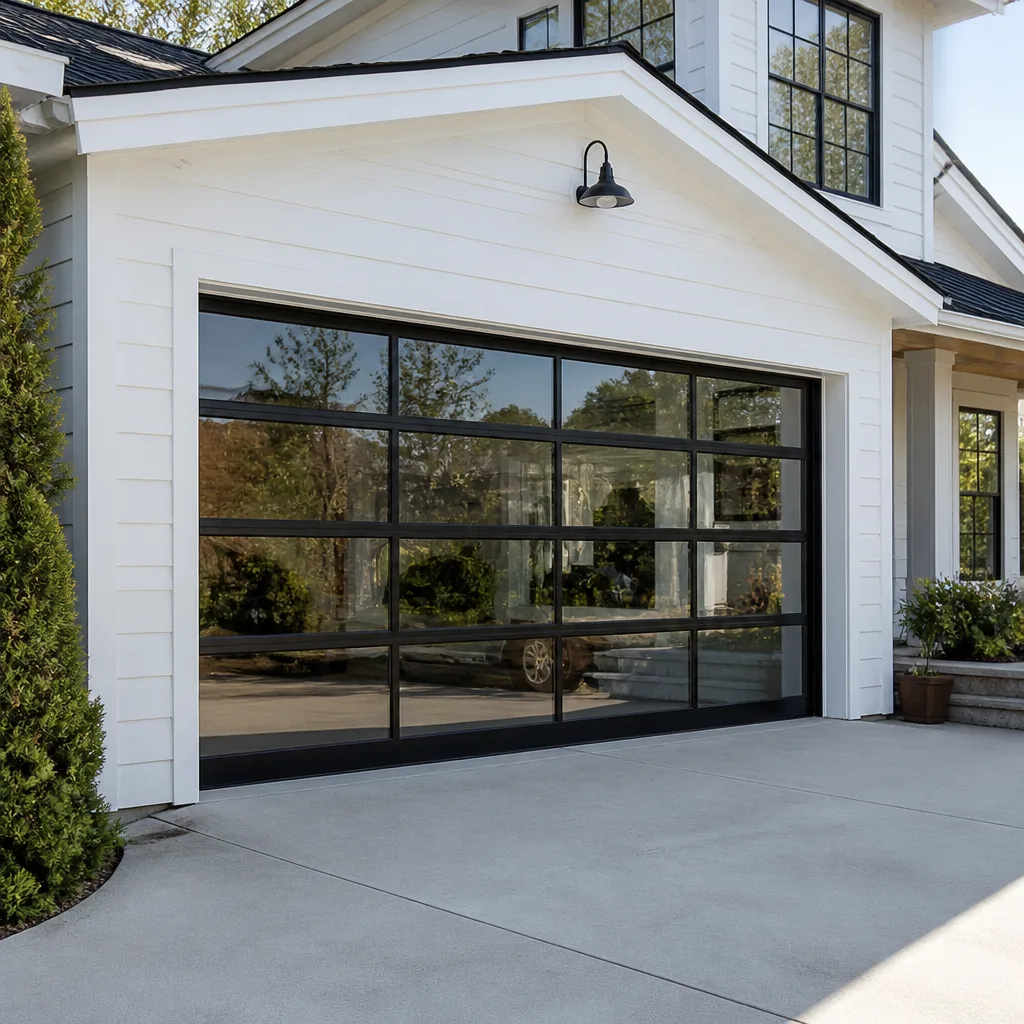 Full-view glass
 LiftMaster openers
 Chamberlain openers
Full 25-point door and opener safety check with every visit - springs, cables, rollers, tracks, and your LiftMaster or Chamberlain opener included
You get a price before we start. It does not change when the pro arrives.
Get your free estimateChoosing the Right Garage Door Brand: A Buyer’s Guide for Wilmington
Most garage door buying advice is written for a national audience, so it treats every home as if it sits in the same climate. Wilmington isn’t that home. The brand that makes perfect sense for a dry inland market can be the wrong call for a door facing heat, humidity, and hurricane-season wind loads. Here’s what you’ll learn in this guide: how finishes and coatings actually hold up here, which manufacturers publish wind-load ratings and which don’t, how parts supply affects repair speed after a storm, and how to read warranty language without being fooled by the word “lifetime.” We work on garage doors across the Wilmington area every week, and this is the brand conversation we have with homeowners far more often than a color one.
Quick Answer
The right garage door brand in Wilmington is the one whose steel finish, wind-load rating, parts supply, and written warranty all match your home’s exposure and use – not the brand with the biggest ad budget. In practice, that means asking four questions for any brand you consider: does it offer a corrosion-resistant finish upgrade, does it have a wind-load rated door available for your opening width, can its parts be found locally when something breaks, and does the written warranty cover what the marketing implies? Clopay, Amarr, Wayne Dalton, and Raynor all offer wind-rated lines, but availability and finish options vary widely by model.
Styles & brands we work with
- Raised-panel steel
- Carriage house
- Modern flush
- Full-view glass
- LiftMaster openers
- Chamberlain openers
Table of Contents
- Why Coastal Finish Matters More Than Brand Name
- Wind-Load Certification: Which Brands Actually Deliver
- Parts Availability in the Wilmington Market
- Reading the Warranty: What “Lifetime” Really Means
- Matching Brand to Use Case
- Openers: The Brand Question Most Buyers Forget
- How Installation Brand Choice Plays Out
- Common Mistakes to Avoid
Why Coastal Finish Matters More Than Brand Name
Three of the most heavily advertised garage door brands in the US offer no corrosion-resistant coating upgrade on their standard steel line. That fact is buried in spec sheets, and it matters enormously within five miles of the North Carolina coast. For a Wilmington homeowner, finish is not a cosmetic detail – it’s the spec that decides whether your door looks the same in year ten or shows rust at the bottom panel seams.
What makes coastal exposure hard on a garage door isn’t one thing; it’s the combination of high humidity, frequent temperature swings between day and night, and the airborne salt and moisture that come with living near the water. Inland areas of New Hanover County and across into Leland see less of that airborne exposure, but the humidity is still there. The bottom edge of a steel door and the seams at panel joints are where you’ll notice trouble first.
When you’re comparing brands, look for these finish options, roughly in order of durability:
- Galvanized steel – a zinc coating applied to the steel before painting. The most common upgrade on premium lines, and it makes a meaningful difference in humid climates.
- Fiberglass or composite core – won’t rust at all, though it can crack under impact. Worth considering for a door that gets a lot of sun exposure.
- Factory-applied finish with a multiple-coat system – better than field-painted steel, but the specifics vary by manufacturer.
- Standard painted steel – fine for an inland, covered, north-facing garage. Not the best choice for a door facing the weather.
Ask specifically whether the coating upgrade is standard on the model you’re considering or special-order. Several manufacturers offer galvanized steel only on their commercial or premium residential lines, and the standard residential line is painted steel only. That distinction isn’t always obvious on a dealer’s display.
Our technicians have up to 11 years of experience, and a lot of that time has been spent looking at the underside of doors that failed at the finish before they failed mechanically. If you want to talk through finish options for your specific door, Gable Garage Door Repair can walk you through them.
Wind-Load Certification: Which Brands Actually Deliver
Wind-load rating is the second spec that most brand comparisons skip. It shouldn’t be. A DP rating (design pressure) tells you the wind pressure a door is engineered to withstand, and it’s the number your insurance company and your local building department may eventually want to see. Whether a manufacturer publishes DP ratings for their residential doors – and whether they can deliver a rated door to Wilmington in a reasonable time – varies widely.
Here’s the honest picture for the brands we work with most:
- Clopay publishes wind-load ratings across a broad line, and rated doors are generally available through standard distribution channels.
- Amarr offers a wind-rated line and usually has rated products available without custom lead times for standard widths.
- Wayne Dalton provides wind-load information for its residential line and can supply rated doors for common configurations.
- Raynor is known for commercial-grade engineering, and rated residential doors are available, though you may wait longer for non-standard sizes.
Some brands that spend heavily on advertising – typically the mass-market lines – require a custom order for any wind-rated door, with 6 to 10 week lead times. That’s not a problem if you’re planning months ahead. It’s a problem if you’re replacing a storm-damaged door and need it up quickly.
Ask these questions before you commit to a brand:
- Does this exact model have a published DP rating, and what is it?
- Is a wind-rated version available in my opening width as a standard order, or is it custom?
- If custom, what’s the realistic lead time?
- Will my insurer need documentation of the rating, and can you supply it?
Most cities require a permit for a garage door replacement or major structural change, so confirm the specifics with the City of Wilmington’s building department. They’ll tell you what they need in terms of product documentation.
If wind rating is the deciding factor and you want to talk through which brands can deliver in your timeline, garage door repair is a conversation worth having before you order anything.
Parts Availability in the Wilmington Market
There’s a practical question that never makes it into manufacturer brochures: when something breaks, how long until the part is in your hands? After a storm, shipping lanes get disrupted, and a brand whose parts are stocked regionally gets back to normal much faster than a brand whose parts come from a single depot.
For Wilmington specifically, the difference plays out like this. When a major weather event sweeps through southeastern North Carolina, doors all over the region need repair at once. Springs, hinges, rollers, cable assemblies, and opener components get hard to source for a few weeks if your brand doesn’t have a regional parts channel. Brands with broad distribution and common part numbers – the older established lines that most technicians already know – tend to recover first.
What to factor in for parts:
- Common part numbers – brands that use standard spring sizes, hinge patterns, and opener components are easier to service quickly because replacements cross-reference.
- Regional distribution – a brand with a parts hub in the Southeast gets parts back to Wilmington faster than one shipping from the Midwest.
- Technician familiarity – a brand your technician has worked on hundreds of times is faster to diagnose, which matters when access to a truck or a tool is the bottleneck.
We carry relationships with the suppliers that matter for this region and we work specifically on the eight brands we know well – LiftMaster, Chamberlain, Genie, Clopay, Amarr, Wayne Dalton, Craftsman, and Raynor. When an opener problem happens, we’re not guessing at a Chamberlain logic board layout. We know it. garage door opener repair is one of the three services we handle, alongside door repair and new installation, so we see both sides of the parts question.
Reading the Warranty: What “Lifetime” Really Means
“Lifetime warranty” sounds like a guarantee, but in the garage door trade it means something far narrower than most buyers expect. Almost every brand uses the phrase, and the coverage varies significantly from one to the next.
Here’s how to read it before you buy:
- Identify who holds the warranty. Is it the manufacturer, the dealer, or the installer? In most cases the manufacturer’s warranty covers the product only; the installation labor is a separate conversation.
- Separate the components. Most residential doors are covered by separate warranties on the finish, the steel sections, the hardware, and the springs – and each one is different.
- Check what “lifetime” applies to. Often it means the panels only, for the life of the original purchaser, and it explicitly excludes finish peeling from coastal exposure.
- Read the exclusions on corrosion. Some warranties explicitly exclude finish failure caused by corrosion, which is precisely the failure mode a coastal finish is supposed to prevent. Ask the dealer to point to the exclusion language.
- Check the spring warranty. Springs, which do most of the work on your door, are often warrantied for a set number of cycles, not years.
In our experience, the difference between a brand that stands behind its door and one that doesn’t usually comes down to what the warranty excludes rather than what it covers. Ask for the full written warranty document before you buy, and read the exclusion section carefully.
We’ll tell you honestly which replacement makes sense for your door, and when it’s Wilmington you’re doing the comparison in, the finish spec matters more than the warranty wording on most calls. Ask about both.
Matching Brand to Use Case
The brand that fits a detached workshop garage is not the same brand that fits an attached two-car garage that serves as the family’s main entry point. Here’s how to think about the match.
Detached workshop or storage garage
The priorities are durability over aesthetics, easy parts availability, and simpler opener logic. A basic painted steel door from a widely distributed brand is often the smart choice here. You’re less concerned with curb appeal and more concerned with whether the springs and opener can be serviced in ten years without a special order.
Brand fit: Wayne Dalton or a standard Amarr line, fitted with a LiftMaster or Genie opener, makes a sensible workshop combination. Simple, serviceable, parts available.
Attached two-car garage serving as the primary entry
This is where finish, opener intelligence, and appearance matter most. It’s the door your family, guests, and the mail carrier see every day. If it faces the morning sun or the prevailing wind, the finish upgrade matters more here than anywhere.
Brand fit: Clopay or Raynor on the door, with a Chamberlain or LiftMaster opener that includes smart-home connectivity and battery backup. This is the combination that balances appearance, coastal resilience, and long-term serviceability.
New construction in a subdivision
For new homes going up in the Wilmington area, builder relationships and wind-load rated availability often drive the brand choice more than personal preference. If a builder is offering a specific brand’s base line, ask whether the rated version is available and what it adds to the price. The difference is often worth the upgrade.
Waterfront or high-wind exposure
A home that faces open water or sits on a barrier island gets the full package: the highest finish upgrade available, a rated door, and heavy-duty springs. Fiberglass is worth considering if rust is your biggest worry.
Openers: The Brand Question Most Buyers Forget
The garage door gets all the attention. The opener is where half the actual problems show up. If you’re choosing a door brand, you’re also choosing whether the opener will play nicely with it, and most brands only fully integrate with a narrow slice of the opener market.
The good news is that the top opener brands are well known, well supported, and easy to service. LiftMaster and Chamberlain are the two we see most in Wilmington homes – they share a manufacturing parent and use similar logic and parts, which makes service straightforward. Genie is the other major player and is common on new-build installs.
What to look for in an opener to pair with your door:
- Battery backup – a real consideration during storm season when power may be out for hours.
- Safety sensor technology – all current openers meet the safety reversal standards, but the sensor design varies; some are far easier to align and service.
- Smart-home compatibility – check that the opener will talk to the app or platform your household actually uses.
- Parts availability – the same regional parts question that applies to doors applies to openers, and LiftMaster and Chamberlain tend to have the widest support.
The reason we work on both LiftMaster and Chamberlain is that the same technician who diagnoses your opener also knows how its force settings interact with the door it’s opening. A Genie opener on a heavy Clopay door, or a Chamberlain unit on a Raynor door, is a combination we know from experience – not one we have to research from scratch.
How Installation Brand Choice Plays Out
By the time installation day arrives, brand choice is mostly locked in. What still matters is whether the installer knows the brand well enough to set it up correctly. Here’s what the process looks like from our side, so you can compare it to what a dealer or other contractor tells you.
- Measure and order. Opening width, headroom, and sideroom all have to be confirmed before the brand’s door is ordered. A door that doesn’t fit is nobody’s fault but the person who measured.
- Confirm the configuration on paper. Finish, window options, panel style, spring system, and any wind-load rating should all be written into the order before it’s placed.
- Prepare the opening. Tracks, brackets, and the mounting surface get checked and adjusted before anything is hung.
- Install and balance. The door goes up, springs get tensioned, and the door is balanced so it operates smoothly by hand as well as by opener.
- Mount and set the opener. Now the specific brand of opener matters – the travel limits, force settings, and safety sensor alignment all follow manufacturer procedure.
- Walk-through and hand-off. Confirm the door operates correctly by remote, wall control, and manually.
A number of the problems we see on new installs come down to the installer not knowing the specific brand. A spring sized for one door’s rated load may not be correct for another brand’s panel weight. Track brackets are similar across brands but not identical. Sensors get aligned the wrong way, and three weeks later the door reverses on its own. The brand-matched approach doesn’t prevent every problem, but it prevents most of the ones that come down to unfamiliarity.
The door itself is part of your home’s structure, and we treat it that way. Gable Garage Door Repair handles all three services – door repair, opener repair, and installation – so you’re not handed off between contractors based on which brand needs attention. Whether it’s a broken spring or a Chamberlain opener that won’t respond, we diagnose by brand, not by guesswork.
Common Mistakes to Avoid
- Choosing the door by ad recall rather than spec sheet. The most advertised brands are not always the ones with galvanized steel or wind-rated lines as standard. Ask for the actual spec.
- Skipping the coating question entirely. Painting over standard steel doesn’t make it marine-grade. Ask whether a galvanized or fiberglass core option exists for the model you want, and whether it’s standard or custom-order in Wilmington.
- Assuming “wind-rated” means “available.” A brand that publishes a DP rating may still require a 6 to 10 week custom order for your size. Confirm availability before you sign.
- Buying a door without checking the opener. A new door paired with an older opener is a mismatch waiting to cause problems. If the door and opener were installed at the same time years ago, both are worth evaluating.
- Ignoring parts availability until the day something breaks. When storm season hits, parts for uncommon brands get scarce fast. Ask about regional distribution before you commit.
- Reading “lifetime warranty” as an insurance policy. Almost every brand uses the phrase, and the exclusions vary dramatically. Ask for the full written document before you buy, and check the corrosion exclusions closely.
- Choosing a brand your future technician doesn’t know. A door that’s exotic in this market can be a service headache. We service all eight of the brands we list for a reason – they’re the ones we can diagnose and repair quickly.
See the difference
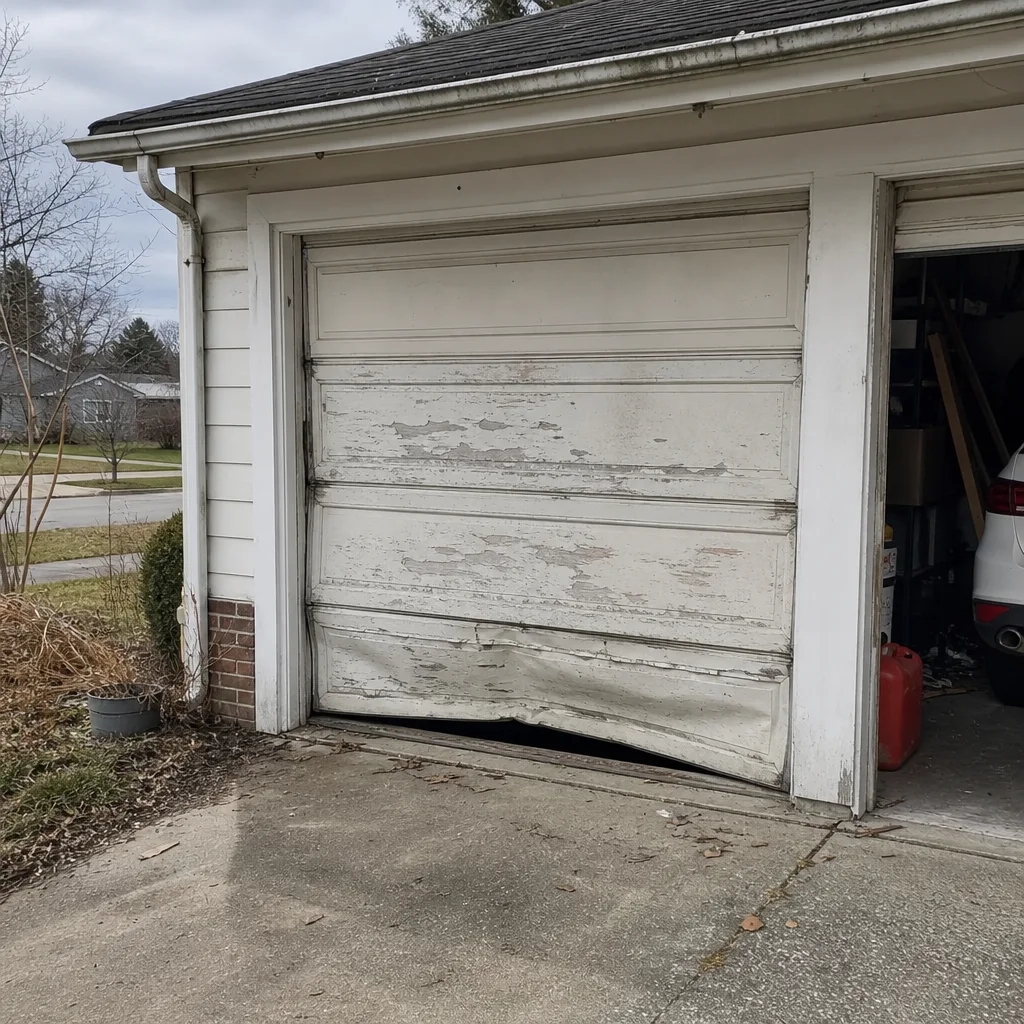 Before
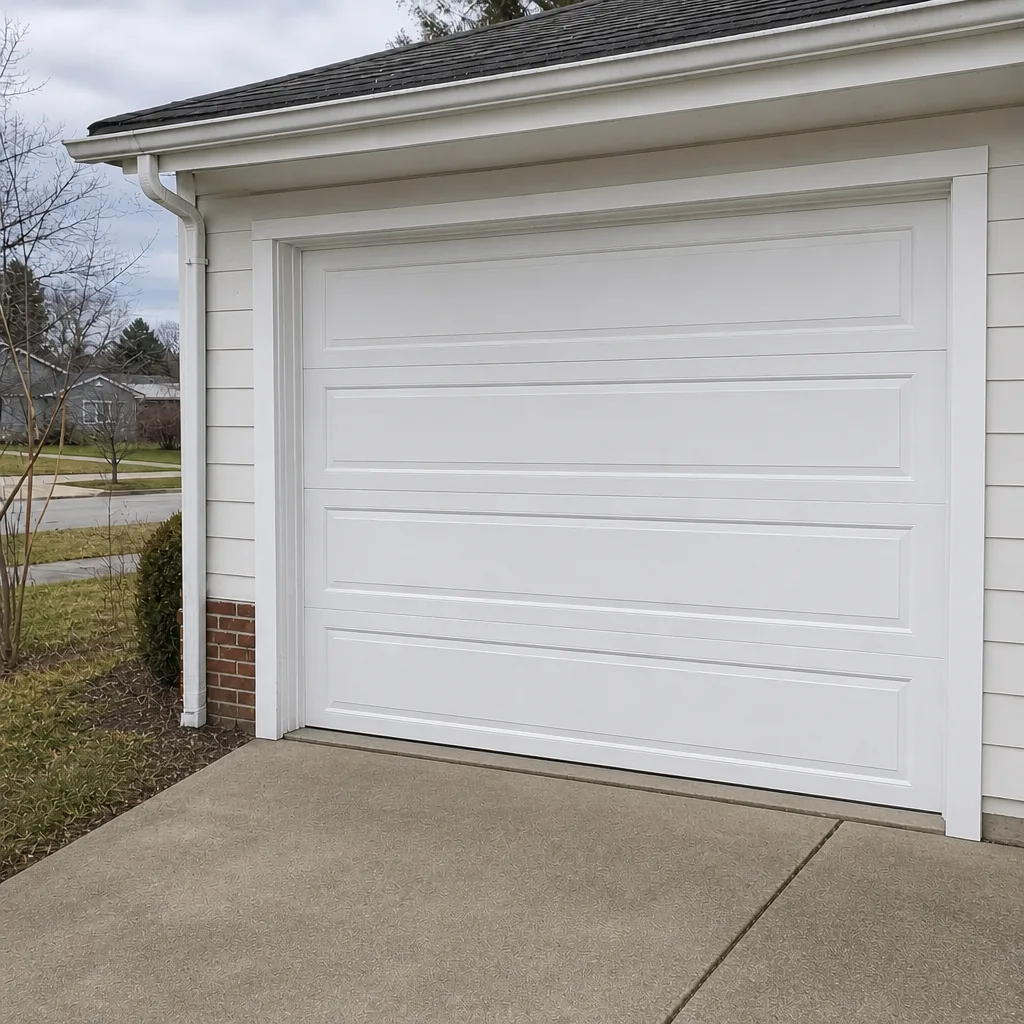 After
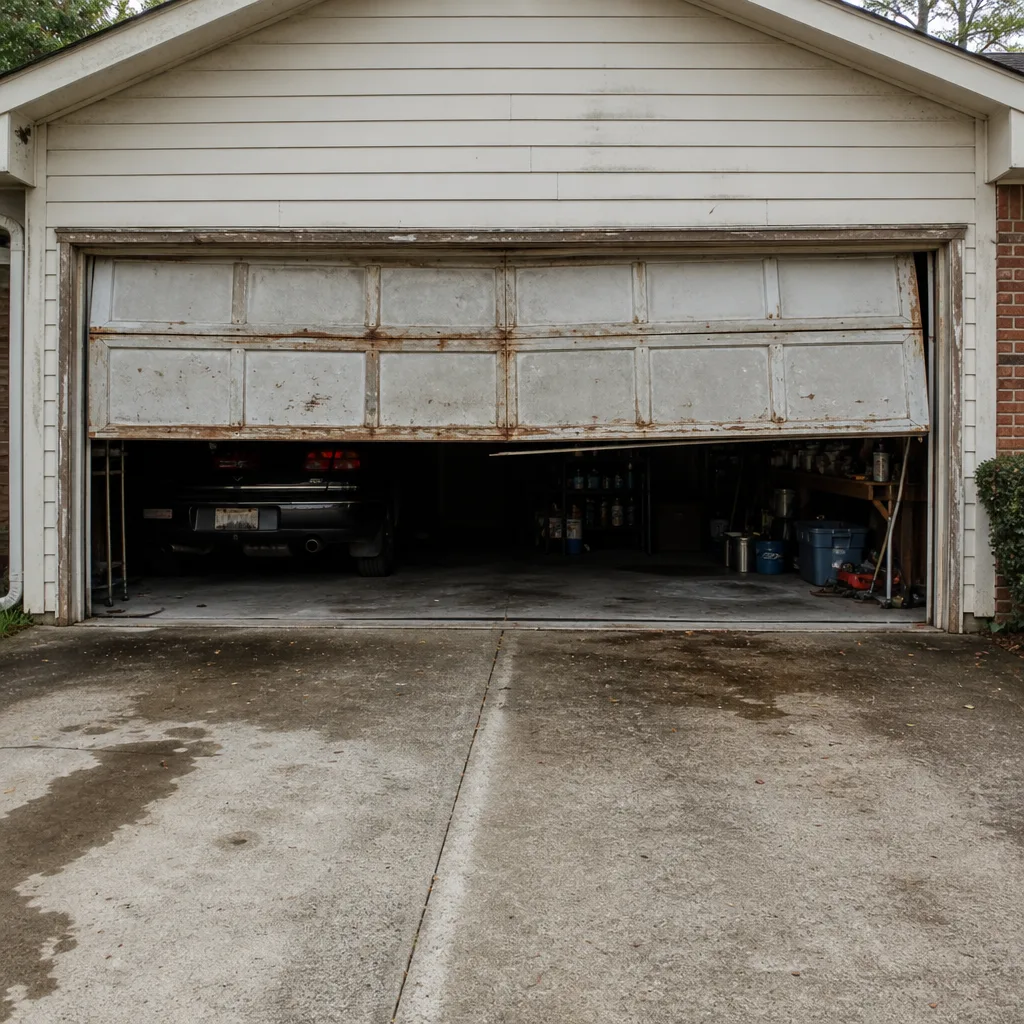 Before
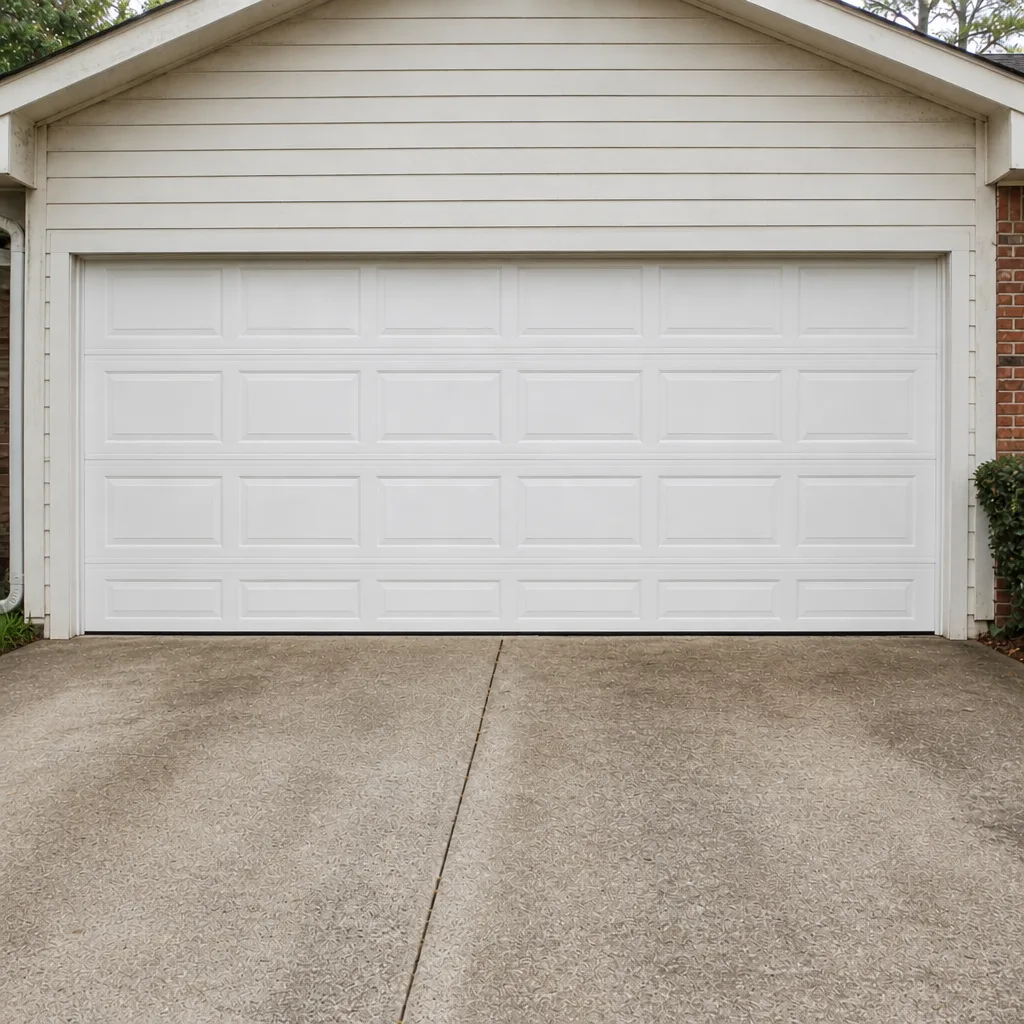 After
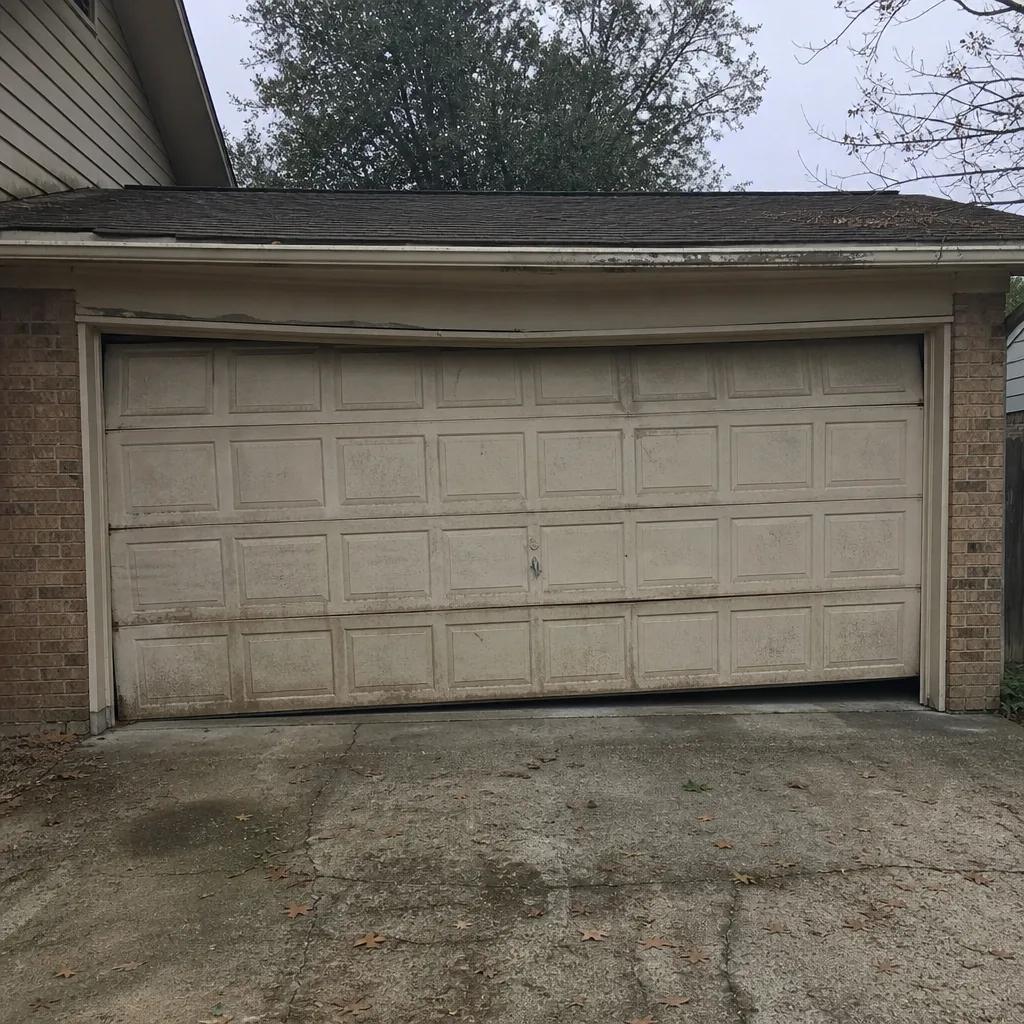 Before
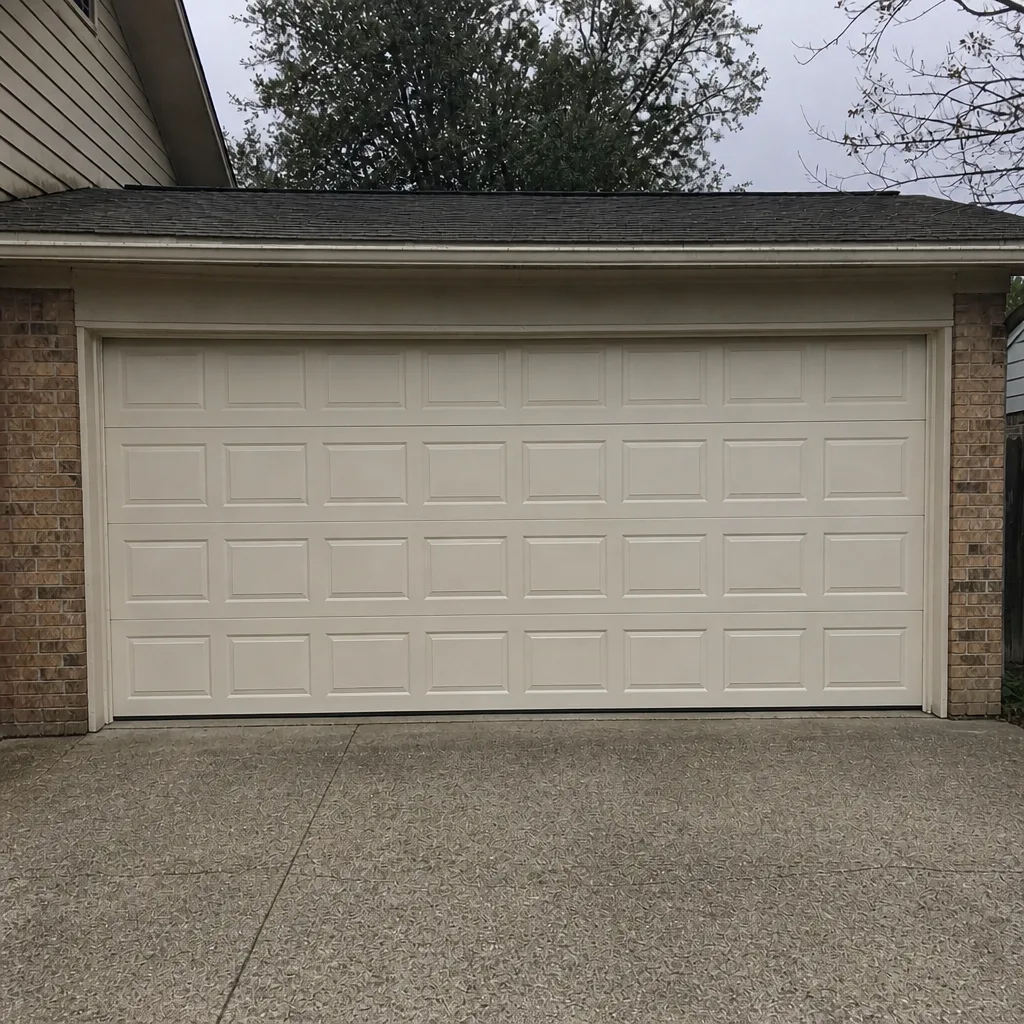 After
When to Call a Professional
Some brand decisions are better made with a technician standing in your driveway than on a dealer’s showroom floor. If your current door is over ten years old and you’re weighing repair against replacement, we can tell you honestly which makes more sense. If a spring has broken or a door has come off a track, that’s a safety issue – high-tension springs and cabling are under enormous load, and we don’t recommend touching them yourself. If your opener is intermittent, won’t close reliably, or is showing sensor trouble, a brand-matched technician will get to the fault faster than a general handyman. Gable Garage Door Repair offers free estimates in Wilmington – call (866) 961-8704. We answer 24/7. Fast dispatch from 7am to 7pm, Sunday through Friday. The price is set by the written estimate before any work starts.
Frequently Asked Questions
There’s no single best brand – the right one depends on your finish needs, wind-load exposure, and how quickly you’d need parts after a storm. For a home in Wilmington within a few miles of the coast, look for a brand that offers a galvanized steel or fiberglass option as standard and publishes a wind-load rating for the model you’re considering. Clopay and Amarr both offer lines that fit that description well, but confirm finish and wind-rated availability before you order. Call (866) 961-8704 for a free estimate on your specific door.
Wind-load rating is recommended for any home in southeastern North Carolina, and it’s often required on new construction. Whether your specific door needs a rated product depends on your insurance requirements, the age of your home, and the exposure of the opening itself. Your insurer and the City of Wilmington’s building department can tell you what applies to your property. We can walk through which brands offer rated doors for your opening width – call (866) 961-8704.
Standard painted steel doors typically show finish wear faster in Wilmington’s humidity than a galvanized or fiberglass option, especially at the bottom panel seams and around hardware penetrations. On an inland, covered, north-facing garage, a standard painted door may hold up fine. On a door facing open exposure, the upgrade is usually worth it. Ask us for a specific recommendation on your door – call (866) 961-8704.
For most brands, a wind-rated door in a standard width ships from stock. For non-standard widths or specific configurations, expect 6 to 10 weeks for a custom order. That timeline varies by brand and by the current status of the shipping lanes that serve southeastern North Carolina. If you’re replacing a storm-damaged door and need something up quickly, tell us your timeline and we’ll steer you toward brands with faster availability. Call (866) 961-8704.
In most cases, a lifetime warranty covers the door panels for the original purchaser, not the finish, springs, or installation labor. Read the exclusion section carefully before you buy – some warranties exclude finish failure caused by corrosion, which is exactly the failure mode a coastal upgrade is meant to prevent. Ask the dealer for the full written warranty document. If you’d like help decoding one, call (866) 961-8704.
Yes. Gable Garage Door Repair handles garage door repair, opener repair, and new installation across all eight brands we work with – LiftMaster, Chamberlain, Genie, Clopay, Amarr, Wayne Dalton, Craftsman, and Raynor. That means no hand-offs between contractors based on which brand needs service. Whether it’s a broken spring or a Chamberlain opener that won’t respond, we diagnose by brand, not by guesswork. Call (866) 961-8704 for a free estimate.
The Bottom Line
Brand choice for a Wilmington garage door is a spec decision, not a marketing one. Start with the questions that actually matter here: Does the model offer a galvanized or fiberglass finish upgrade, and is it standard? Can the brand deliver a wind-rated door for my opening width without a 6 to 10 week wait? Will parts be findable locally after storm season? And does the written warranty cover what the ad implies? Clopay, Amarr, Wayne Dalton, and Raynor are the brands we most often recommend for coastal Douglas fir – those are the brands whose spec sheets we can walk through with you in detail. Whichever brand you choose, get the installation right, because the best door on the market won’t perform if the springs are mis-sized and the sensors are misaligned. One call covers the door, the opener, and everything in between – call (866) 961-8704 for a free estimate. We answer 24/7. Fast dispatch from 7am to 7pm, Sunday through Friday.
Written by the team at Gable Garage Door Repair.