
Last updated November 15, 2026
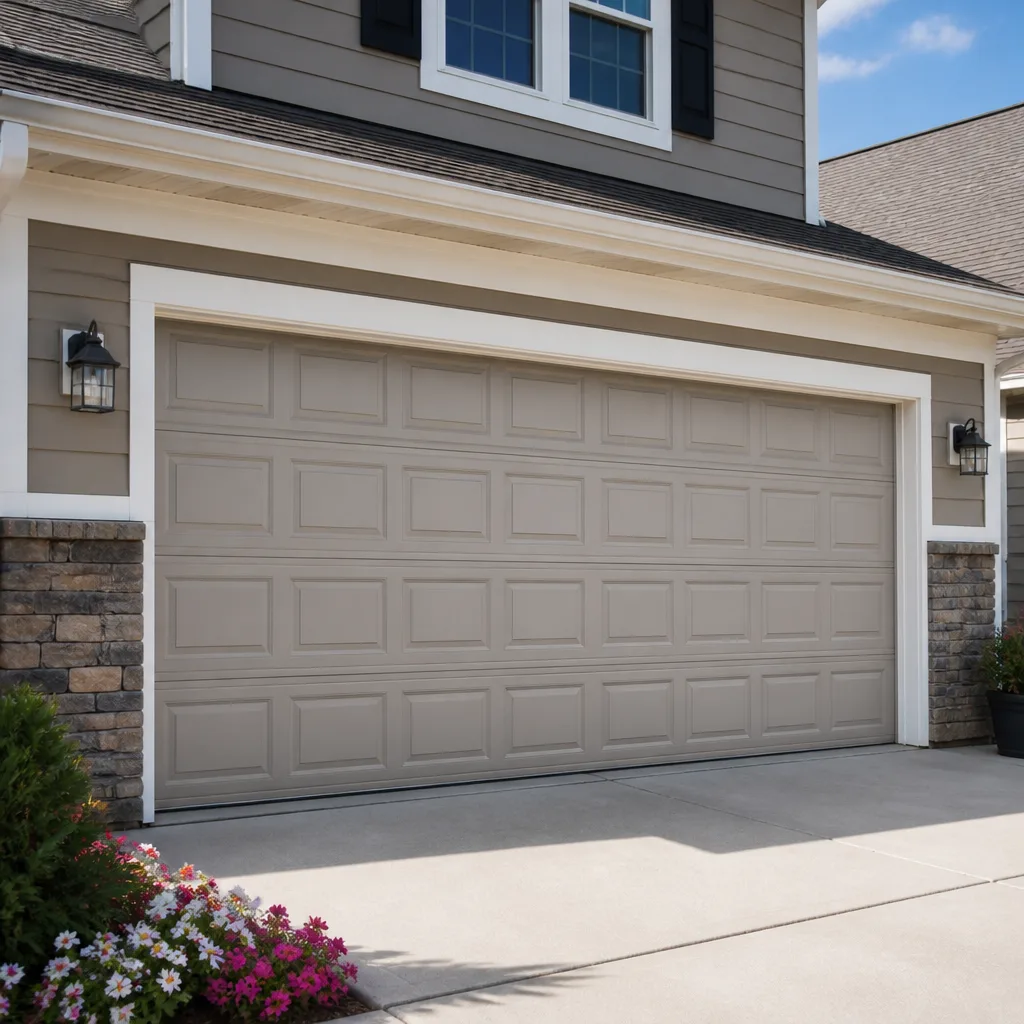 Raised-panel steel
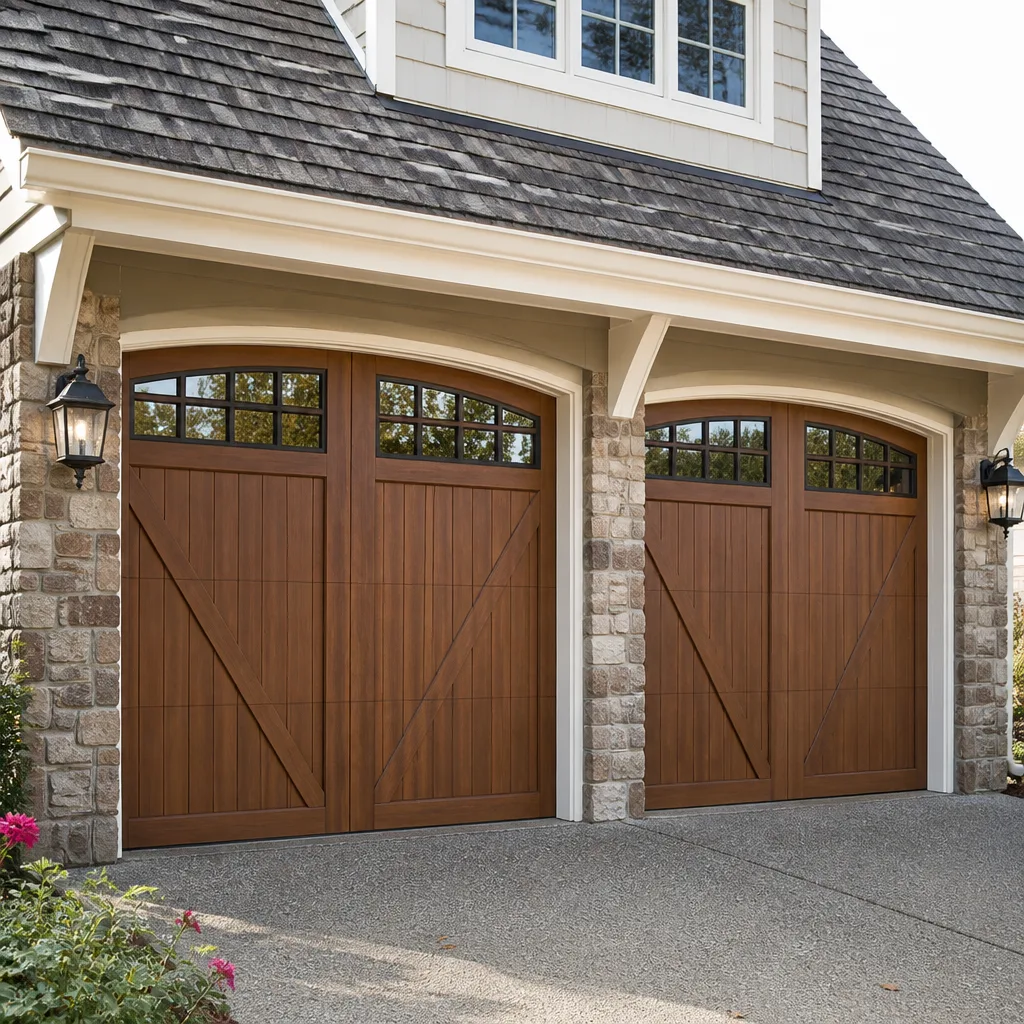 Carriage house
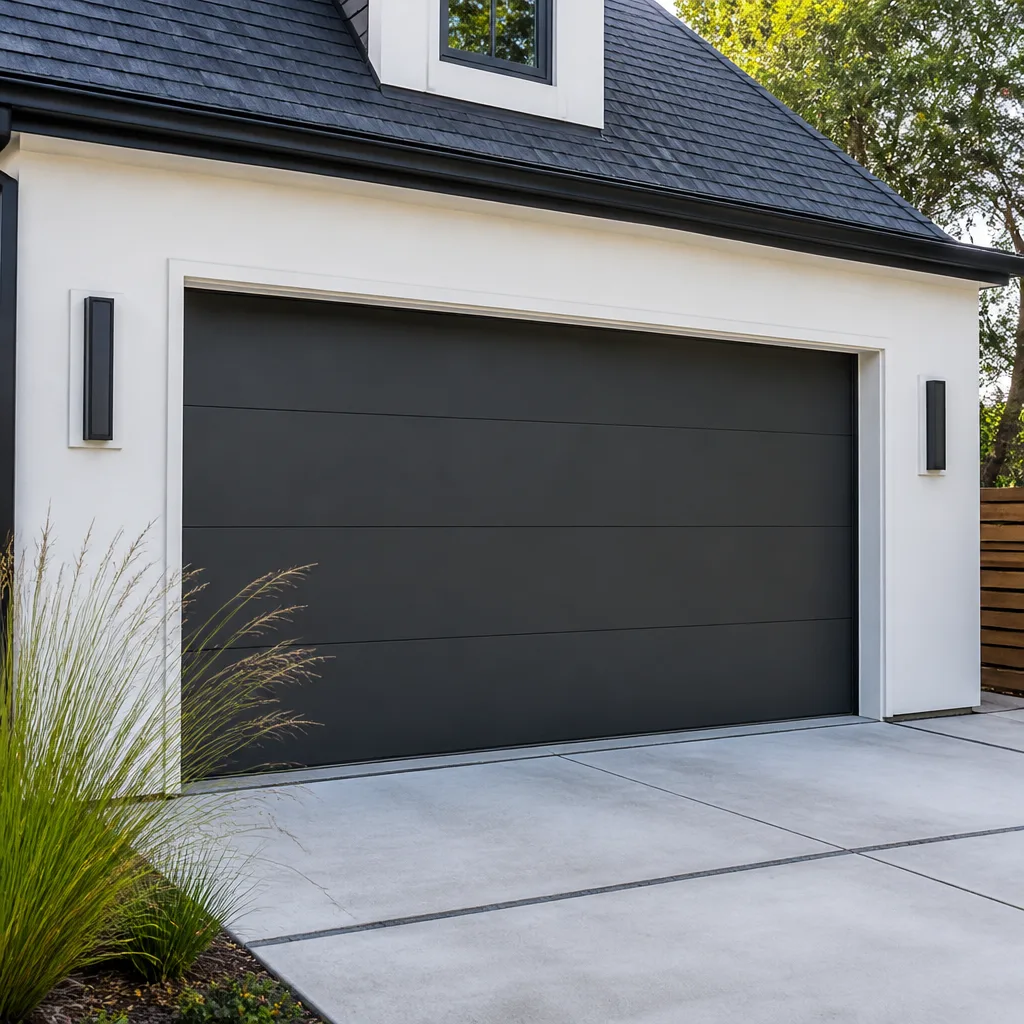 Modern flush
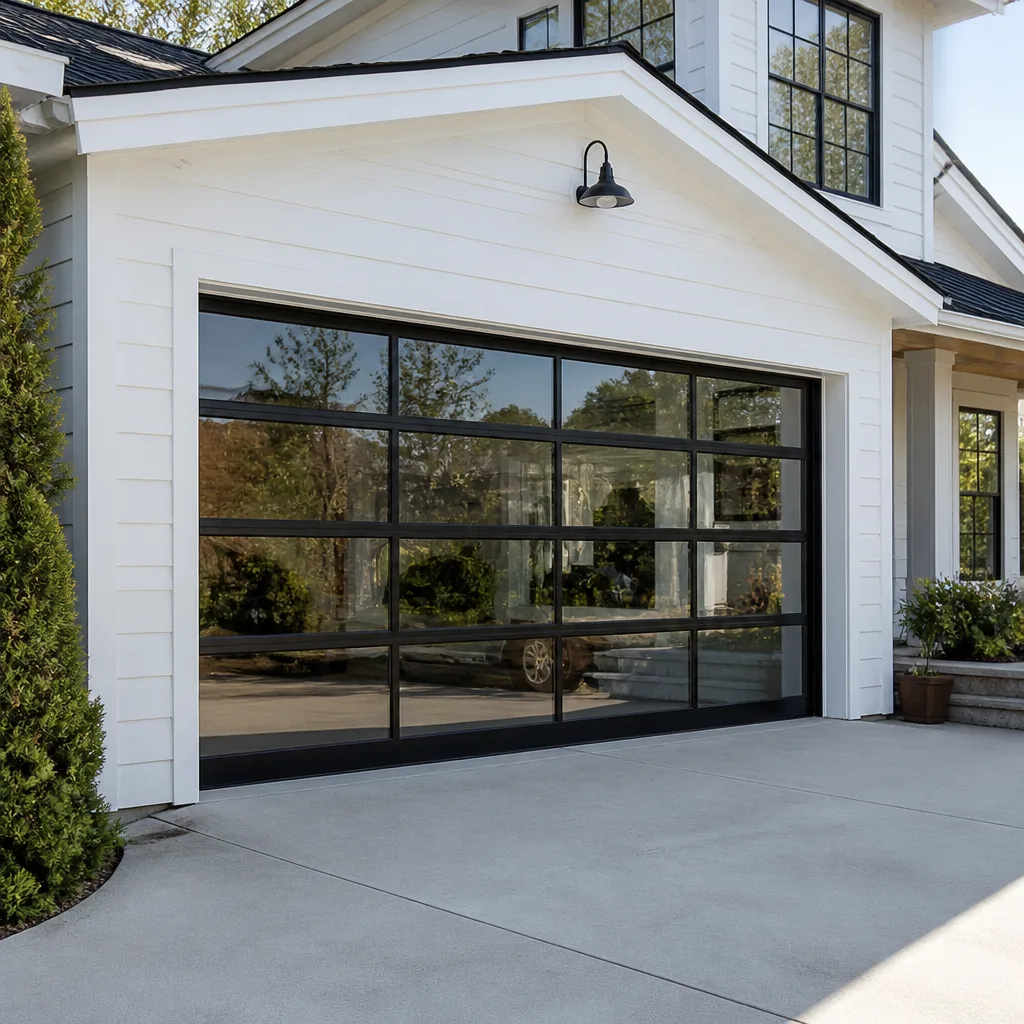 Full-view glass
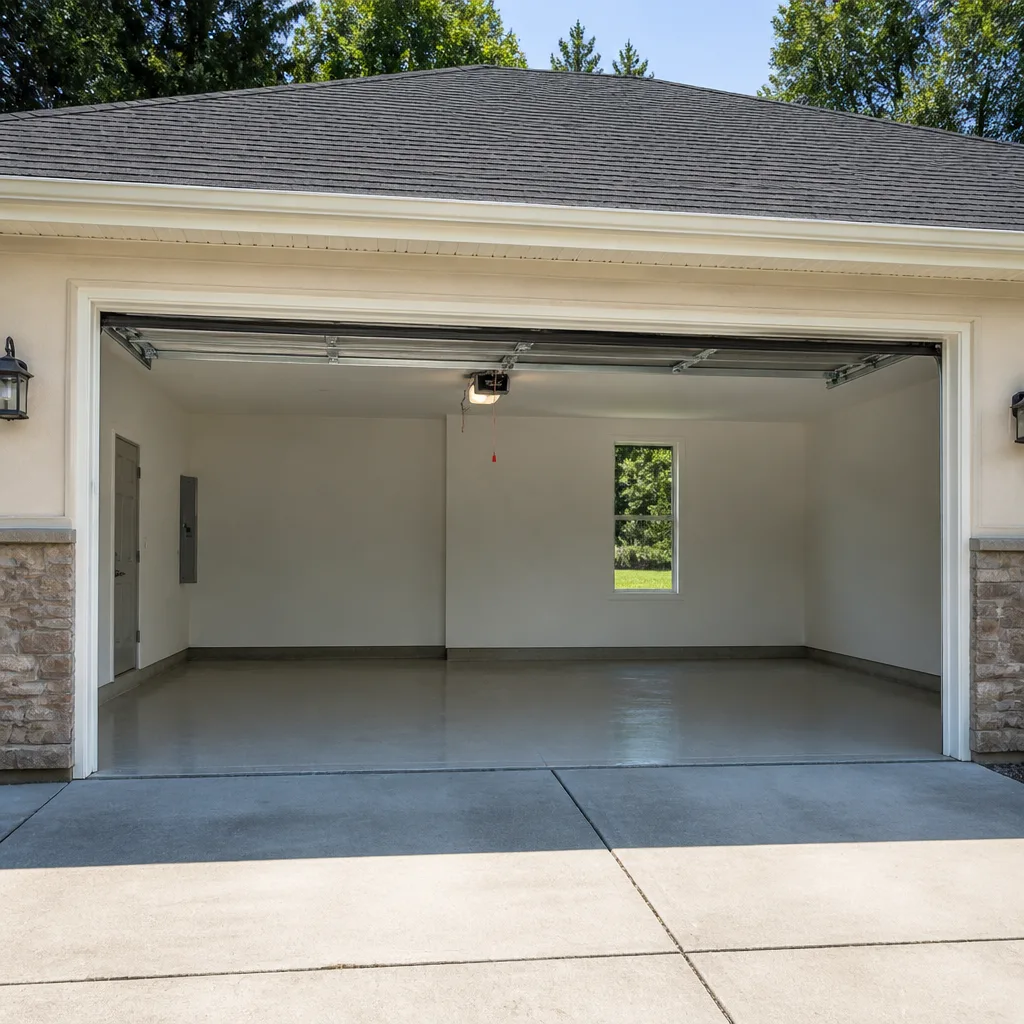 LiftMaster openers
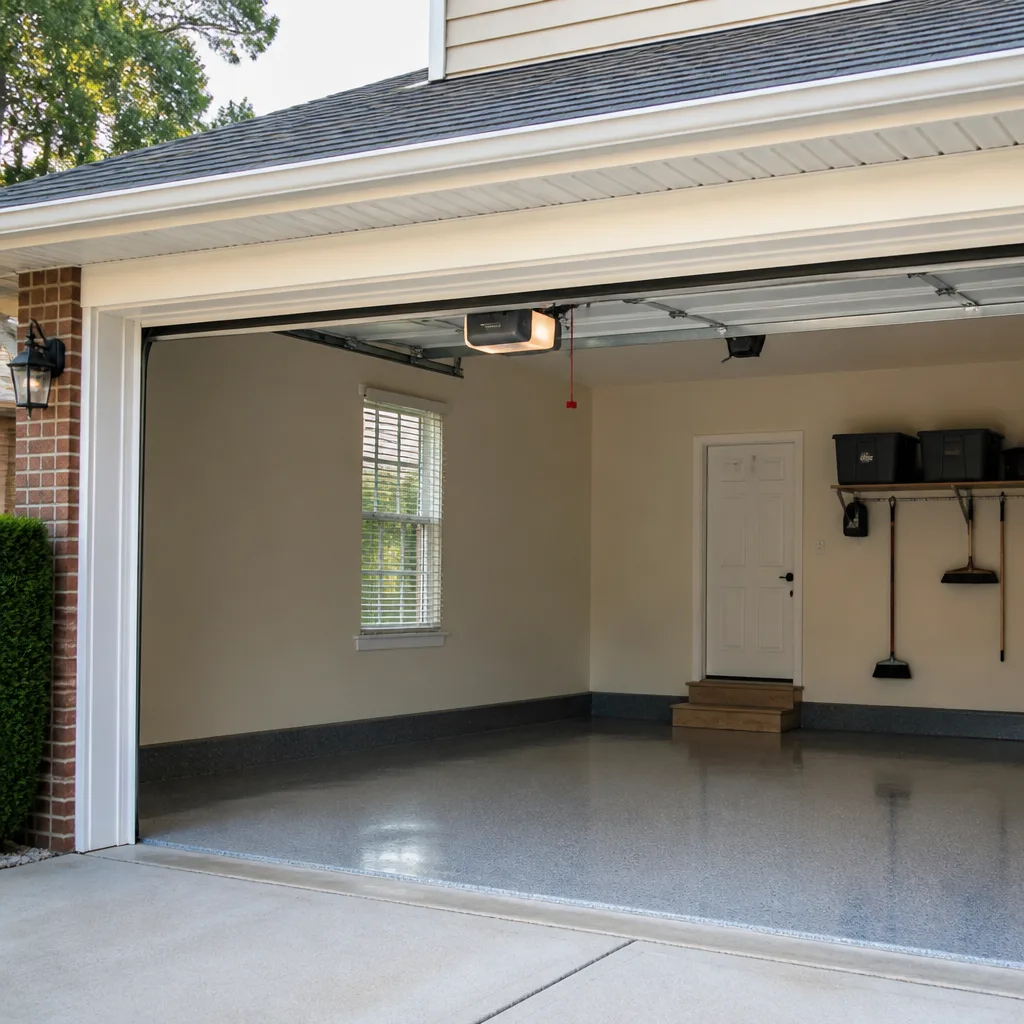 Chamberlain openers
Full 25-point door and opener safety check with every visit - springs, cables, rollers, tracks, and your LiftMaster or Chamberlain opener included
You get a price before we start. It does not change when the pro arrives.
Get your free estimateHow to Hire a Garage Door Contractor in Wilmington: A Step-by-Step Guide
Most homeowners hire a garage door contractor the way they hire a plumber: call three, pick the middle bid, hope for the best. That works fine when the risk is a leaky faucet. A garage door is a different animal. It’s a moving structural system carrying hundreds of pounds of tension, wired to an electric motor, and hung over the largest opening in your house. A bad install or a careless repair doesn’t just cost money, it costs safety. And here in Wilmington, the stakes get higher after a storm, when out-of-town crews with no NC license flood the market looking for quick work. This guide gives you the vetting framework to tell a real contractor from a risky one before they’re in your driveway.
Quick Answer
To hire a garage door contractor in Wilmington, verify the contractor’s NC license number on the NCLBGC database, ask whether they work across multiple door and opener brands or are locked into one, get a written estimate that itemizes labor, parts, warranty, and permit responsibility, and never pay the full amount upfront. A legitimate contractor will welcome every one of those checks. One who dodges them is telling you something.
Styles & brands we work with
- Raised-panel steel
- Carriage house
- Modern flush
- Full-view glass
- LiftMaster openers
- Chamberlain openers
Table of Contents
- Why Wilmington Is a Target for Fly-by-Night Garage Door Contractors
- Step 1: Verify the License Before You Call
- Step 2: The Five Questions That Reveal Brand Limitations
- Step 3: What a Legitimate Written Estimate Must Include
- Step 4: Post-Storm Red Flags Specific to the Wilmington Market
- Step 5: Structure Your Payment Schedule to Protect Yourself
- Repair or Replace: How to Tell Which You Actually Need
- Common Mistakes to Avoid
- When to Call a Professional
- Frequently Asked Questions
Why Wilmington Is a Target for Fly-by-Night Garage Door Contractors
Wilmington sits in a part of North Carolina that sees its share of heavy weather, and heavy weather is the engine that drives contractor fraud. After a storm, the legitimate contractors in the area are booked solid for weeks. That gap is exactly what traveling crews fill. They roll into Wilmington, print a generic business card, and start knocking on doors in neighborhoods where a tree came down or a panel got hit.
Garage doors are one of their favorite targets for a simple reason: the damage is visible from the street. A dented panel or a bent track is easy to point at, and the repair sounds urgent. The homeowner, already dealing with storm cleanup, doesn’t have the time or energy to run a background check. That’s the opening the scammer needs.
What does this actually look like in practice? A few patterns stand out.
- No permanent local address. They’ll give a PO box or a phone number that forwards, but nothing you can drive to or verify. A legitimate contractor doing business in Wilmington has a physical footprint you can confirm.
- Cash-only demands. A request for cash upfront is one of the clearest warning signs. Cash can’t be traced, disputed, or refunded through a card issuer.
- Vague “manufacturer warranty” claims. If the warranty is real, the contractor can tell you what it covers, for how long, and who honors it. When the answer is a shrug, the warranty doesn’t exist.
- High-pressure urgency. “This has to be fixed today or the whole door comes down” is a sales tactic, not a diagnosis. A real technician will explain why something is urgent and give you time to decide.
None of this means every out-of-town crew is a scam. It means the burden of proof is on the contractor, and you should run the same checks on a neighborly referral as you would on a stranger. Here’s how to do it efficiently.
Step 1: Verify the License Before You Call
North Carolina requires contractors to hold a license through the North Carolina Licensing Board for General Contractors (NCLBGC). The board maintains a public database where you can look up any license number in under two minutes. This is the single highest-value check you can make, and almost nobody does it.
Here’s how the verification works in practice:
- Ask for the license number before you schedule anything. A contractor who hesitates or changes the subject is telling you something important.
- Go to the NCLBGC website and find the license lookup tool. The search field is straightforward: name or license number.
- Confirm three things: the license is active (not expired or suspended), the name matches the company you’re talking to, and the license class is appropriate for the work you’re hiring for.
- Screenshot the result. It sounds overkill, but having a record of the license status on the day you booked the work protects you if a dispute surfaces later.
A few things to keep in mind. A license lookup confirms the contractor exists in the state system, but it doesn’t confirm they’re bonded or insured. That’s a separate test. Ask for proof of general liability insurance and, if they’ll have anyone on the property as an employee, workers’ compensation coverage. Make them send the certificate, not just say the words.
When you’re hiring for garage door repair in Wilmington, a contractor who can’t produce a license number on the spot is not a contractor you want in your garage. Full stop. That check is free, fast, and it filters out a surprising amount of bad actors before you’ve wasted an afternoon.
Step 2: The Five Questions That Reveal Brand Limitations
This is the part most hiring guides skip. Garage doors and openers aren’t universal. Springs, cables, hinge patterns, track dimensions, opener logic boards, remote frequencies, and safety sensor wiring all vary by manufacturer. A contractor who only works with one brand’s ecosystem is genuinely limited, even if they’re a decent technician, and that limitation can cost you money if your door isn’t in their wheelhouse.
Here are the five questions I’d ask to find out fast:
- “What brands do you work with regularly?” Listen for a range, not a single name. A contractor who names Clopay, Amarr, or Wayne Dalton for doors and LiftMaster, Chamberlain, Genie, or Craftsman for openers is showing they work across brand lines. A contractor who says “we only do [one brand]” is telling you your options are limited.
- “How do you diagnose a problem when the opener isn’t responding?” The good answer includes a description of how they check the logic board, sensors, and wiring before guessing. The bad answer is “we usually just replace it.”
- “Can you source a replacement panel for my door’s manufacturer?” If your door is an older Clopay or Amarr model and the contractor can’t order a matching panel, you’re looking at a full door replacement when you might only need one panel swapped.
- “What’s your process for matching the right spring to my door’s weight?” Springs are selected by door weight and cycle rating, not by “whatever fits.” A contractor who waves this off is a safety risk.
- “Have you worked on my opener model before?” If they haven’t, that’s not an automatic no. The real test is whether they’re honest about it and willing to look up the specs before working on your system.
The pattern here is that a good contractor is honest about the limits of their experience. A bad one pretends to know everything. And when a contractor is locked into one brand, the natural consequence is that a repair becomes a replacement, because swapping to a brand they know is easier than sourcing parts for one they don’t.
If you’ve already got a door that isn’t working right, garage door opener repair can usually resolve the mechanical and electronic issues without replacing the whole unit. The key is having a technician who diagnoses by brand rather than guessing. We work on systems from eight major manufacturers, so the odds are good that whatever you have in your garage is something the technician has seen before.
Step 3: What a Legitimate Written Estimate Must Include
A written estimate is not a courtesy. It’s the document you’ll refer to if the bill at the end doesn’t match the number at the start, and the difference between a real estimate and a vague verbal quote is often hundreds of dollars and a lot of frustration.
Here’s the structure a legitimate estimate follows:
- Labor broken out. Not “installation: $X.” You should see the labor for removing the old door, the labor for installing the new one, and the labor for any track adjustment or opener work.
- Parts itemized with brand and model. If the estimate says “springs” with no brand or model, ask for it. If it says “Clopay panel, model XYZ,” that’s what you want to see.
- Warranty terms in writing. What’s covered, for how long, and who honors it. Labor warranty and manufacturer warranty are separate things, and both matter.
- Permit responsibility. Some garage door work may require a permit in your jurisdiction. Ask your city’s building department whether your job needs one, and confirm on the estimate who’s responsible for pulling it.
- Disposal or haul-away. If the old door comes out, who takes it? A professional estimate specifies this so you aren’t surprised by a fee later.
- A note that the price is quoted and agreed before work starts. This is the most important line on the page. The written estimate should state clearly that no work begins until the price has been agreed in writing.
What does a vague quote conceal? Usually three things: labor that gets added on the back end, part substitutions to cheaper models than what was discussed, and a verbal warranty that doesn’t hold up. If a contractor won’t put all of the above in writing, that’s your answer.
One more thing. Costs vary by the work involved, and the only number that matters is the one on the estimate for your specific door. A repair is priced differently than a replacement, a single spring differently than a matched pair, and a door swap on a single-car opening differently than a double. The written estimate sets the final price, and any contractor who can’t be specific about yours before the work starts is leaving the door open (pun intended) for surprises.
Step 4: Post-Storm Red Flags Specific to the Wilmington Market
After a named storm or a round of severe weather rolls through southeastern North Carolina, Wilmington gets a contractor surge. That surge brings legitimate help and scammers in roughly equal measure. Knowing what to look for is the whole game.
The specific red flags to watch for in this market:
- No verifiable local address. Wilmington is a real place with real streets, and legitimate contractors have an address on one of them. If the only thing on the business card is a phone number and a website, run the license check.
- Demand for cash upfront. Legitimate contractors take deposits in traceable form (check, card, or a documented payment method) and they don’t insist on cash. A cash-only demand is a red flag regardless of the story attached to it.
- “Manufacturer warranty” used as a sales closer. If it’s real, the contractor can explain it in detail: what it covers, how long, and whether labor is included. “It’s backed by the manufacturer” is not an answer, it’s a deflection.
- Door-to-door solicitation after a storm. This is not automatically a scam, but it is a scenario that should trigger extra verification. A contractor who shows up at your door uninvited is asking you to trust them without a reference, and that’s a higher bar than a contractor you called.
- Pressure to sign on the spot. Legitimate work doesn’t disappear if you sleep on it. A “today only” discount on a garage door replacement is not a discount, it’s a technique.
- No paperwork trail. Everything in writing. If a contractor won’t give you an estimate document, a contract, and a warranty statement, there’s no record to hold them to.
Great, so you’ve spotted these. What do you do next? Ask the contractor to walk you through their license number, their insurance certificate, and their written estimate. A legitimate contractor will be relieved you asked, because the scammers make their lives harder too.
Step 5: Structure Your Payment Schedule to Protect Yourself
The payment schedule is where a lot of homeowners get burned after the work is done. A contractor who demands full payment upfront has zero incentive to finish the job properly, and a contractor who demands payment in full the same day the work is completed has no backstop if something goes wrong a week later.
Here’s a payment structure that protects you:
- Small deposit at booking. Enough to cover material orders, not enough to fund a vacation. Get the deposit amount in writing along with what it covers.
- Progress payment at material delivery or mid-installation. For a larger job, a second payment when the door or opener is on site and installation begins is reasonable.
- Final payment after you’ve confirmed the work. Do a walk-through with the technician: open and close the door a few times, test the safety reverse, check that the opener responds to the remote and wall button, and confirm the door seals to the ground. Pay after that walk-through, not before.
- Hold-back on any warranty work. If the contractor has agreed to come back for an adjustment, hold a portion until that’s done. A small hold-back keeps the relationship active until the job is truly finished.
- Get a receipt for every payment. Dated, signed, and referencing the estimate or contract. It’s not paranoia, it’s bookkeeping.
On a new installation, this schedule matters even more, because the door has to be measured, ordered, and scheduled before any work happens. A contractor who tries to talk you out of a written schedule on an installation job is a contractor to walk away from. Planning a new door is a different rhythm than fixing a broken one: expect a measure, an order, and a scheduled install, with the paperwork to match at each step.
Repair or Replace: How to Tell Which You Actually Need
One of the most useful questions to bring to the hiring process is whether you even need a replacement. Contractors who lean toward sales will tell you the door needs to go. Contractors who lean toward service will tell you honestly which makes more sense. Here’s how to tell the difference.
Signs a repair is the right call:
- One panel is damaged and the rest of the door is structurally sound and the panel can be sourced for your brand.
- The opener has stopped responding but the door itself moves freely by hand (this points to an opener problem, not a door problem).
- A spring or cable has broken but the door is otherwise intact and the tracks aren’t bent.
- The door is functional but noisy, which is often a matter of lubrication and adjustment rather than replacement.
Signs a replacement may be the better investment:
- The door is severely damaged across multiple panels and sourcing matching replacements isn’t practical.
- The tracks are bent beyond realignment and the structural frame that holds the door is compromised.
- The door is beyond the point where repairs keep pace with the cost of repeated fixes.
- You’re upgrading for appearance or function, not because of damage.
Here’s the honest framing: a reputable contractor will tell you when a repair is the cheaper path even if a replacement pays them more. That’s the test. If every contractor who walks into your garage says “replace,” ask each of them specifically why a repair isn’t an option. The answers will sort themselves.
Common Mistakes to Avoid
These are the mistakes that cost Wilmington homeowners the most, in money and in headaches:
- Hiring based on the first knock on the door. After a storm, the first contractor to reach you is often the one who moved fastest, not the one who does the best work. Call a contractor you’ve researched, not one who found you.
- Skipping the license check because the contractor seemed nice. Charm is free. The NCLBGC lookup takes two minutes and tells you whether the person you’re hiring is actually accountable to the state.
- Accepting a verbal estimate. A verbal quote is a conversation. A written estimate is a contract. The only number that matters is the one you can point to on paper with a signature.
- Paying in full before the work is confirmed. Final payment comes after you’ve tested the door yourself. Not before. No exceptions, no matter how confident the contractor is.
- Assuming all brands are interchangeable. A contractor who only knows one brand will push you toward that brand, whether or not it’s the best match for your existing door or opener. Ask what brands they carry before committing.
- Ignoring the opener when the door is the problem. Half the “door won’t open” calls we see turn out to be opener or sensor issues, not door issues. If the technician only inspects the door, they may miss the actual root cause.
- Forgetting to ask about the warranty in writing. Manufacturer warranty and labor warranty are separate and both matter. If it isn’t written down, assume it doesn’t exist.
Getting these right is most of the battle. The rest is asking smart questions and paying attention to the answers.
When to Call a Professional
Some garage door issues are safe to handle yourself. Most aren’t. Call a professional when the door won’t open or close at all, when a spring or cable is visibly broken, when the door comes off its track, when an opener runs but the door doesn’t move, or when the door is making sounds it didn’t make before. Springs and cables are under enough tension that working on them without training and the right tools is genuinely dangerous. Leave that work to a trained technician.
Also call a professional before you plan a replacement. A proper measure and written estimate will tell you whether the door you have is worth repairing or whether it’s time for a new one, and taking that step now saves money over a rushed decision later. Gable Garage Door Repair offers free estimates in Wilmington. Call (866) 961-8704 and we’ll give you a straight answer on repair versus replacement.
Frequently Asked Questions
Look up the contractor’s license number on the NCLBGC public database before you book anything. Confirm the license is active, the business name matches, and the license class fits the work. If the contractor won’t share the number, that’s your answer, and you should move to the next one on your list. Call (866) 961-8704 for an exact quote from us, and we’ll provide our credentials upfront.
A legitimate written estimate itemizes labor, parts (with brand and model), warranty terms, and permit responsibility, and it states clearly that the price is agreed before any work begins. Vague verbal quotes leave room for add-ons later. The written estimate is the final price. Call (866) 961-8704 for a free estimate that covers all of it.
Repair costs vary by the issue, the brand, and the specific parts involved. The only number that matters is the one on your written estimate. A repair priced for a single spring, a pair of springs, a bent track, or a non-responsive opener is different in each case, which is why a written estimate is more reliable than any broad range. Call (866) 961-8704 for an exact quote. Estimates are free.
They should be, and you should verify it yourself. Ask for the license number and look it up on the NCLBGC database, then request a copy of the general liability insurance certificate. A contractor who won’t provide either is not a contractor you want working on a structural system. Call (866) 961-8704 to talk through credentials before you book.
It shouldn’t. The written estimate sets the price, and the work shouldn’t start until the amount has been agreed in writing. If a contractor starts adding items to the bill after the estimate, that’s a negotiation you didn’t sign up for, and you should push back. Call (866) 961-8704 for an estimate that holds.
On repair jobs, yes, same-day service is often possible. We answer 24/7, and fast dispatch runs 7am to 7pm Sunday through Friday. On new installations or full replacements, the work is measured and scheduled, and we’ll give you a free measure and a written price rather than promise an instant visit. Call (866) 961-8704 to get started.
The Bottom Line
Hiring a garage door contractor in Wilmington comes down to verification. Check the license on the NCLBGC database before you call. Ask the five brand questions so you know whether the contractor can actually handle your door and opener or is pushing you toward the one brand they install. Require a written estimate that itemizes labor, parts, warranty, and permit responsibility. Watch for post-storm red flags like no local address, cash-only demands, and vague warranty claims. And structure your payments so the final amount isn’t released until you’ve confirmed the work yourself.
Get those five things right and you’ve filtered out almost every contractor risk in this market. The work itself is the easy part when the vetting is done properly. If you’d like a free estimate from a team that works across brands and welcomes every one of these checks, call (866) 961-8704. We answer 24/7, and fast dispatch runs from 7am to 7pm, Sunday through Friday. (We’re closed Saturday.)
For more on what we do in Wilmington, or to see the full range of Gable Garage Door Repair services, we’re one call away.
Written by the team at Gable Garage Door Repair.
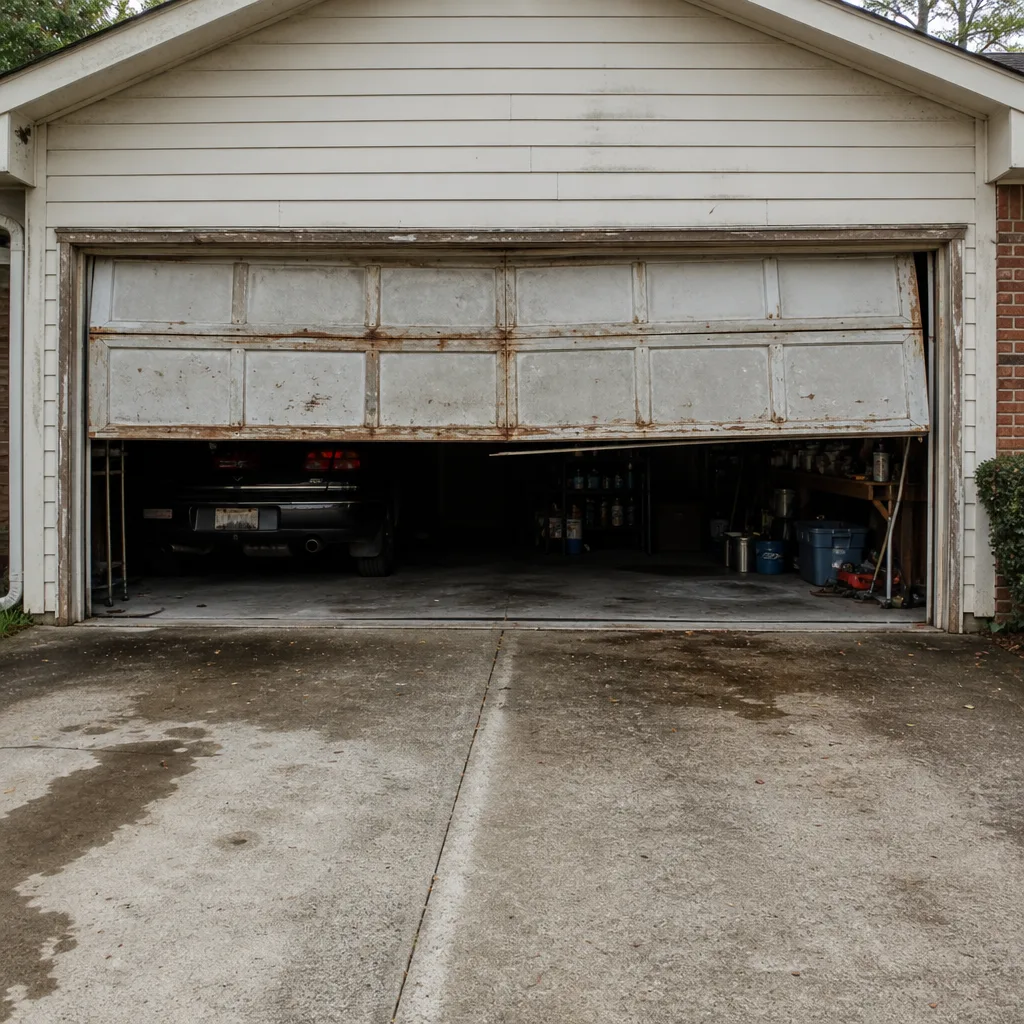
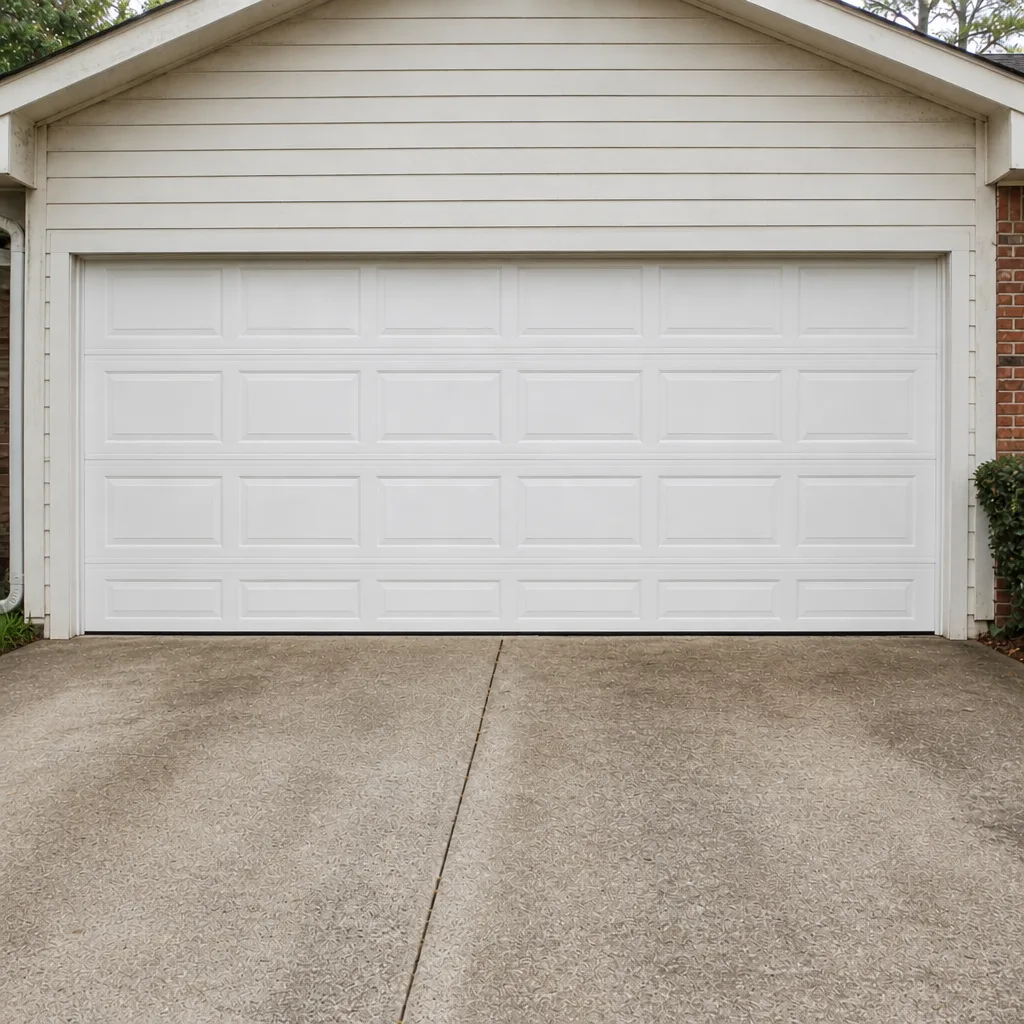
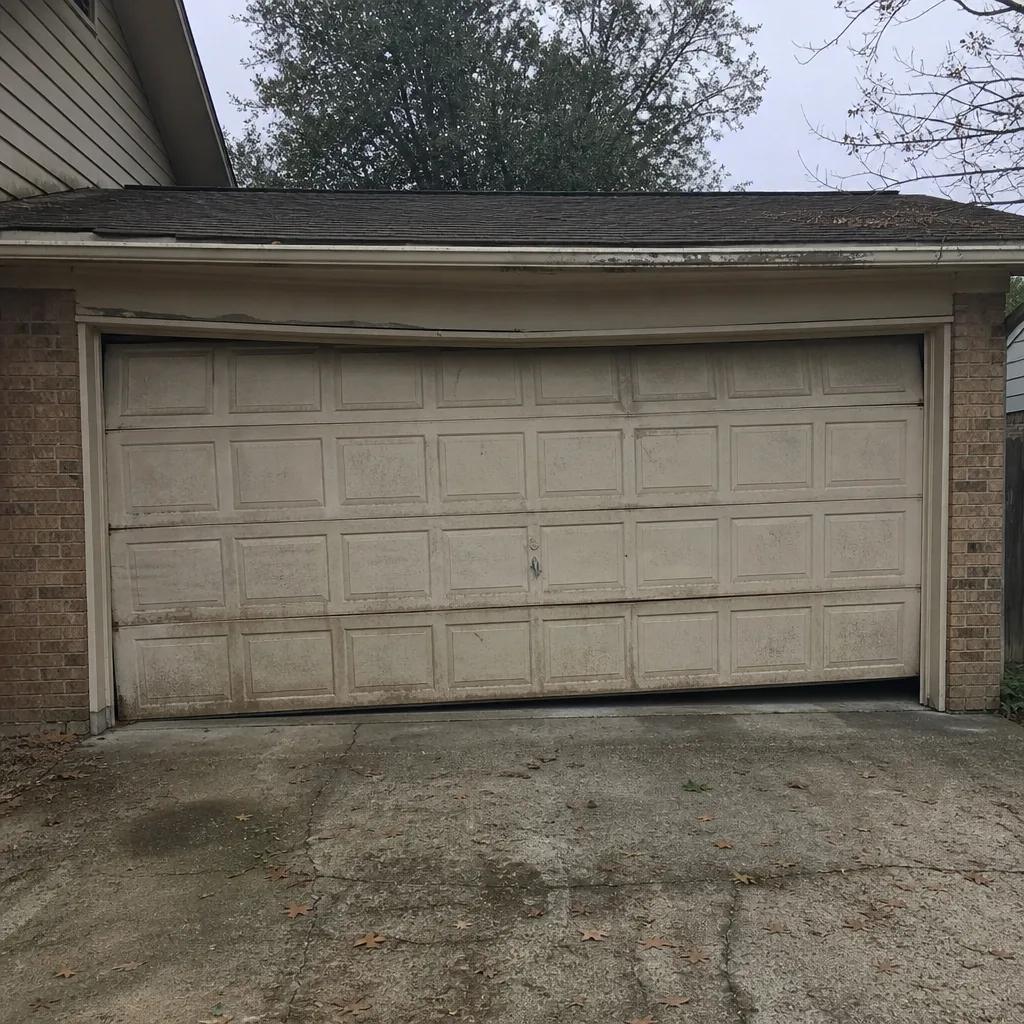
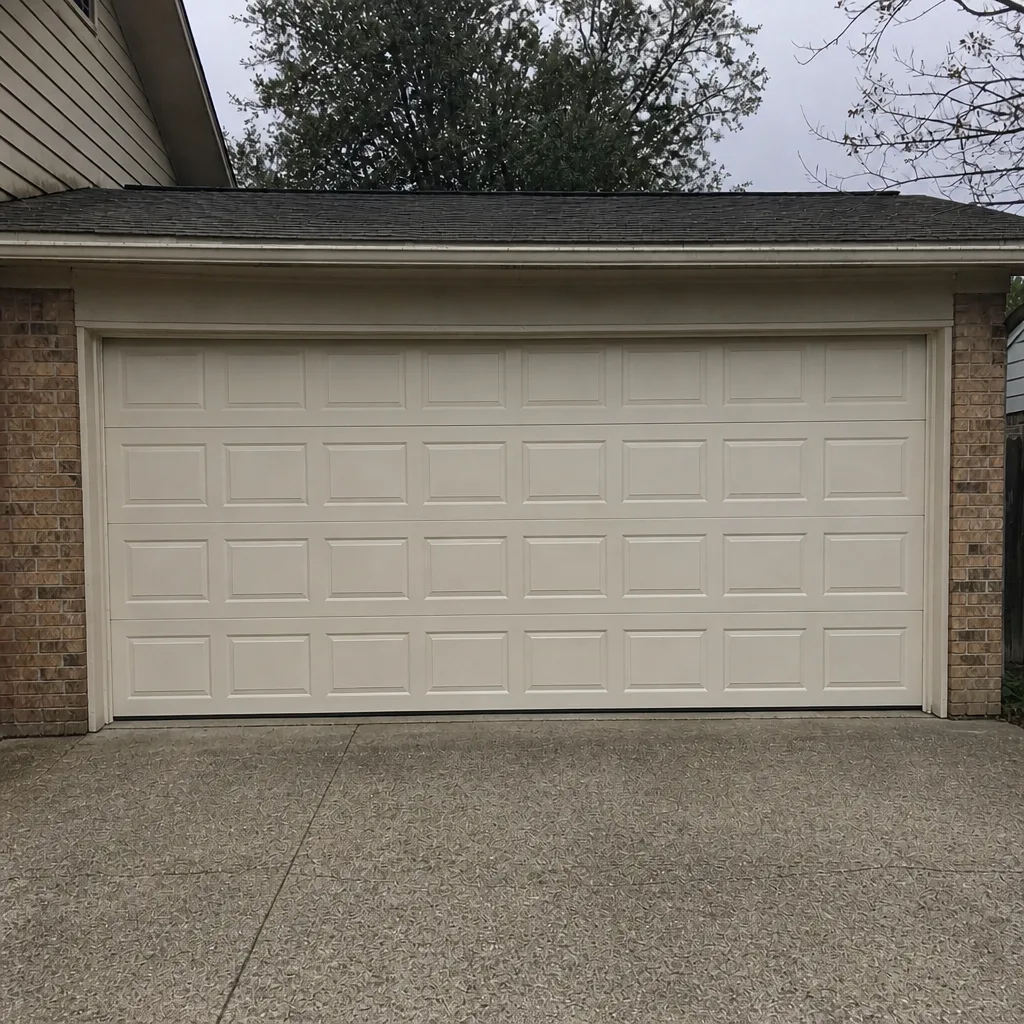
See the difference
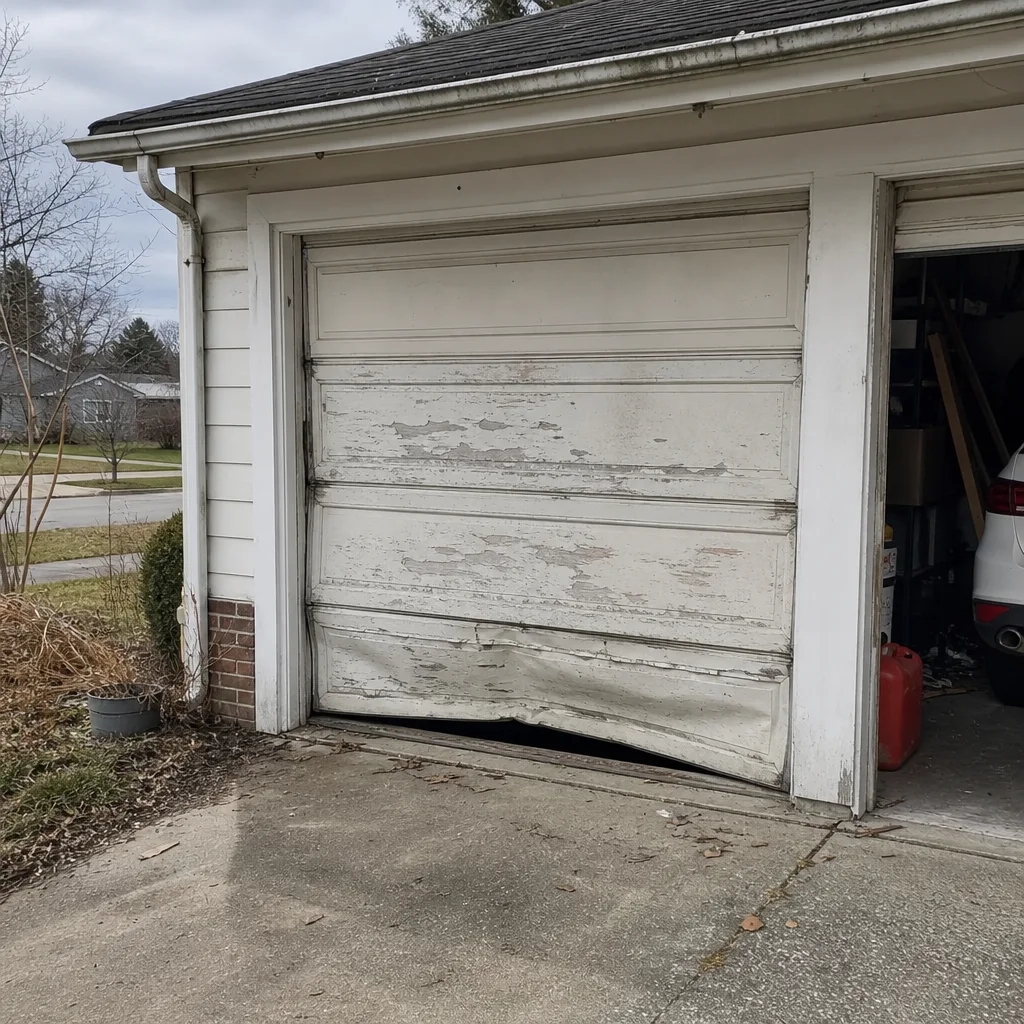 Before
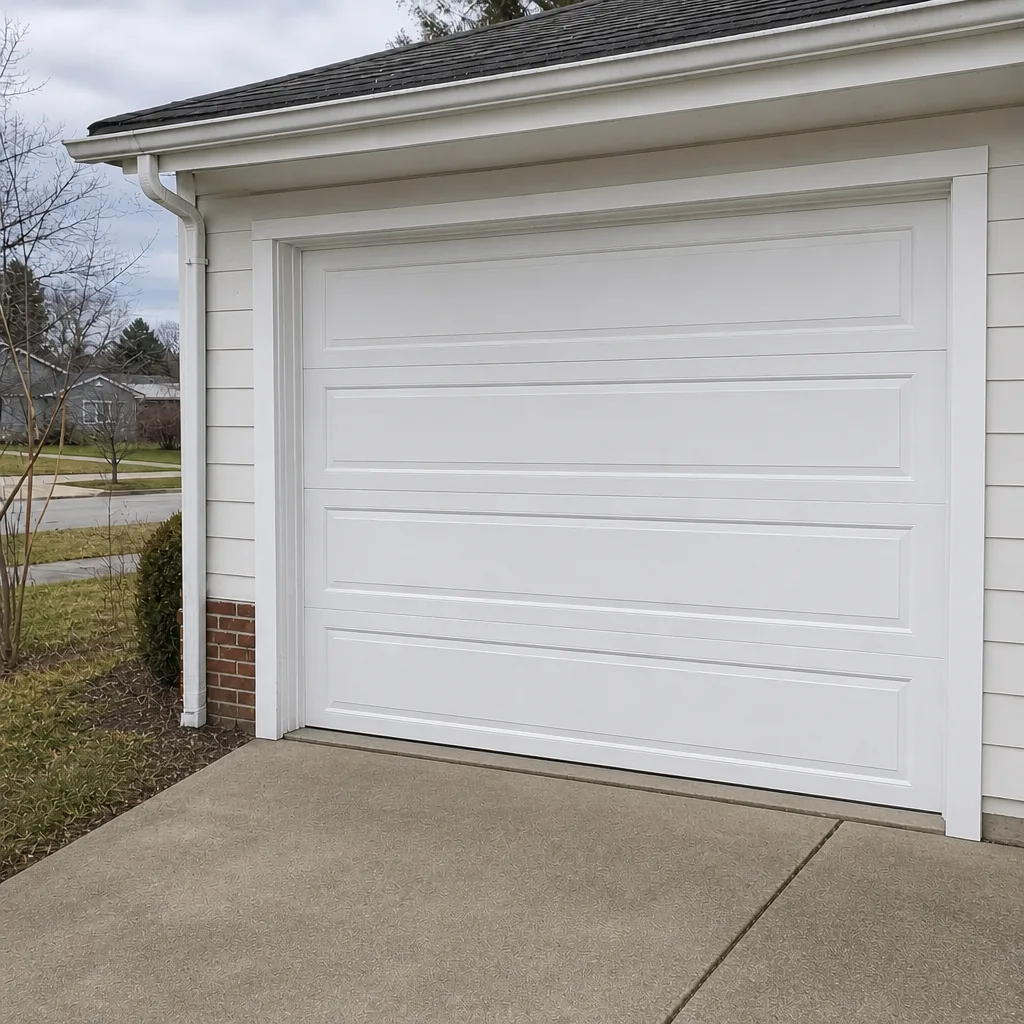 After
 Before
 After
 Before
 After