
Last updated November 15, 2026
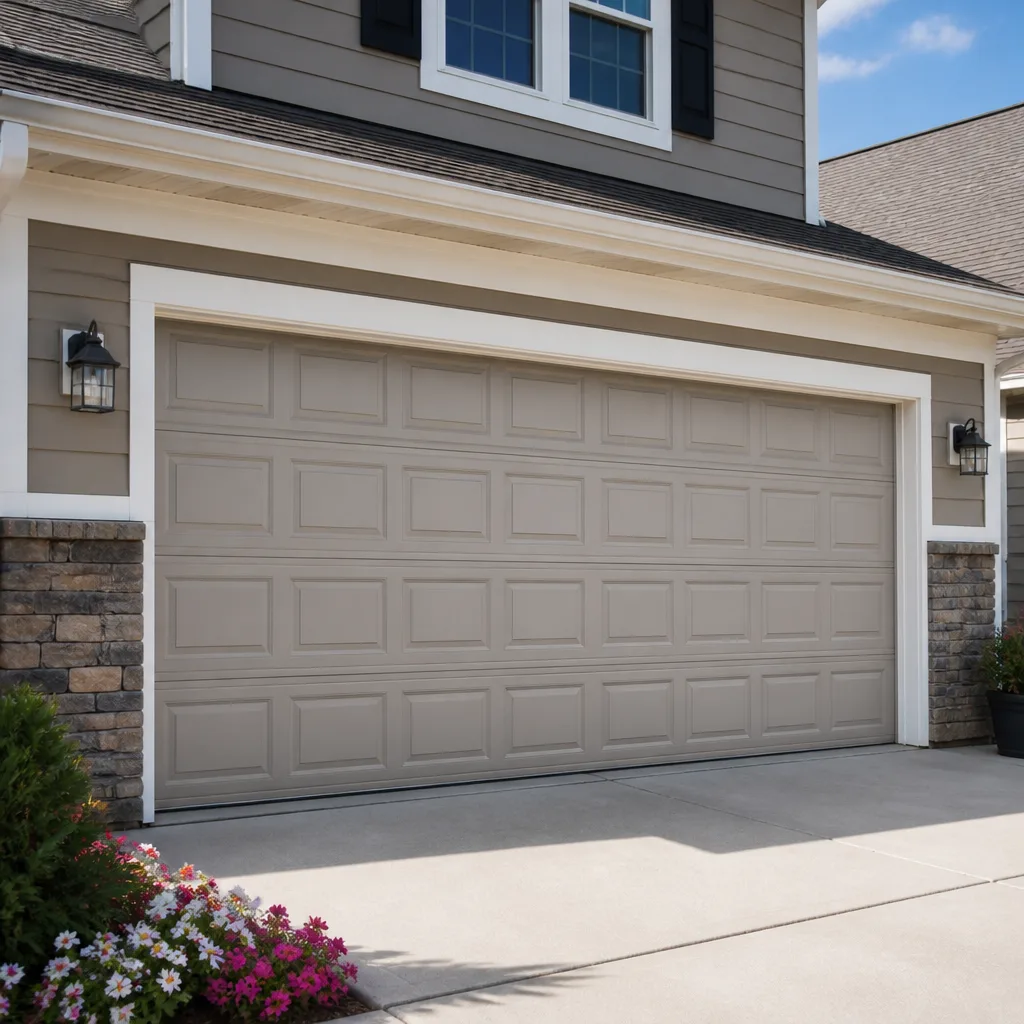 Raised-panel steel
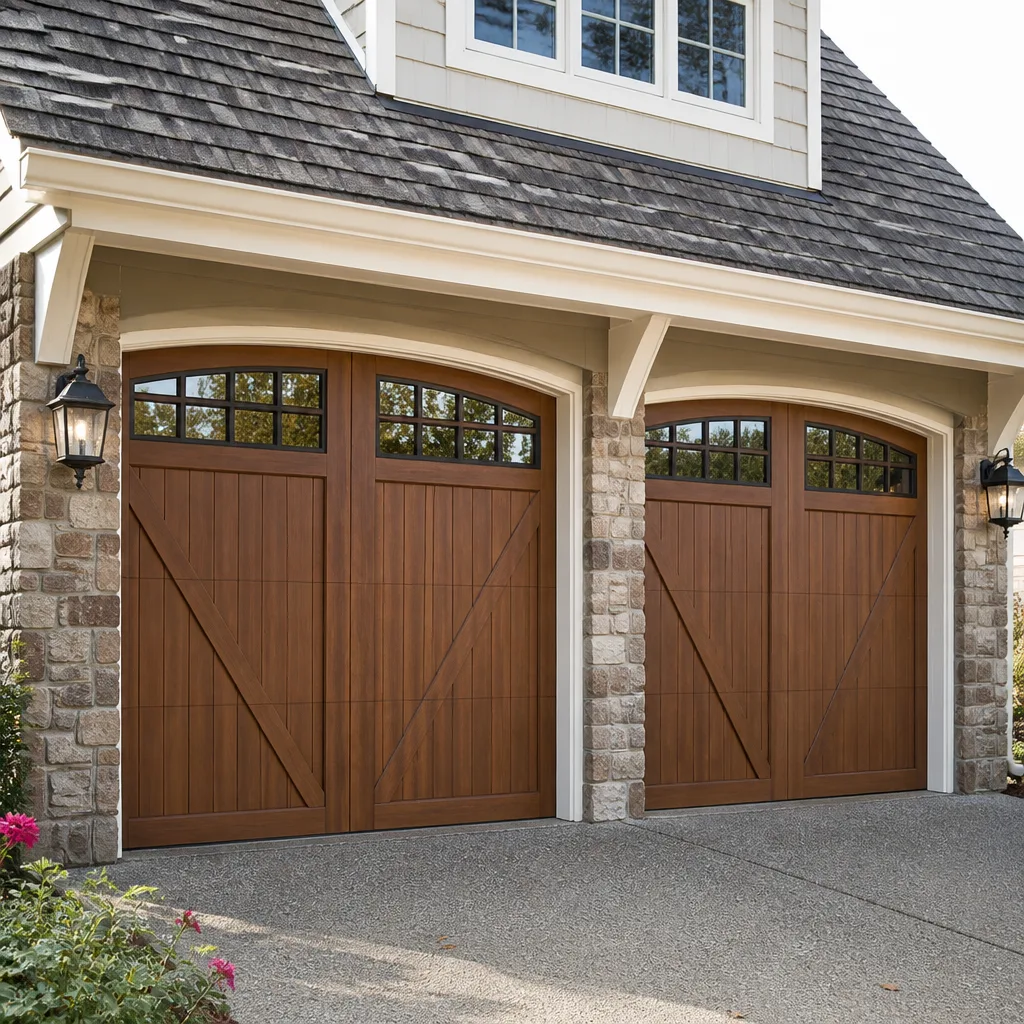 Carriage house
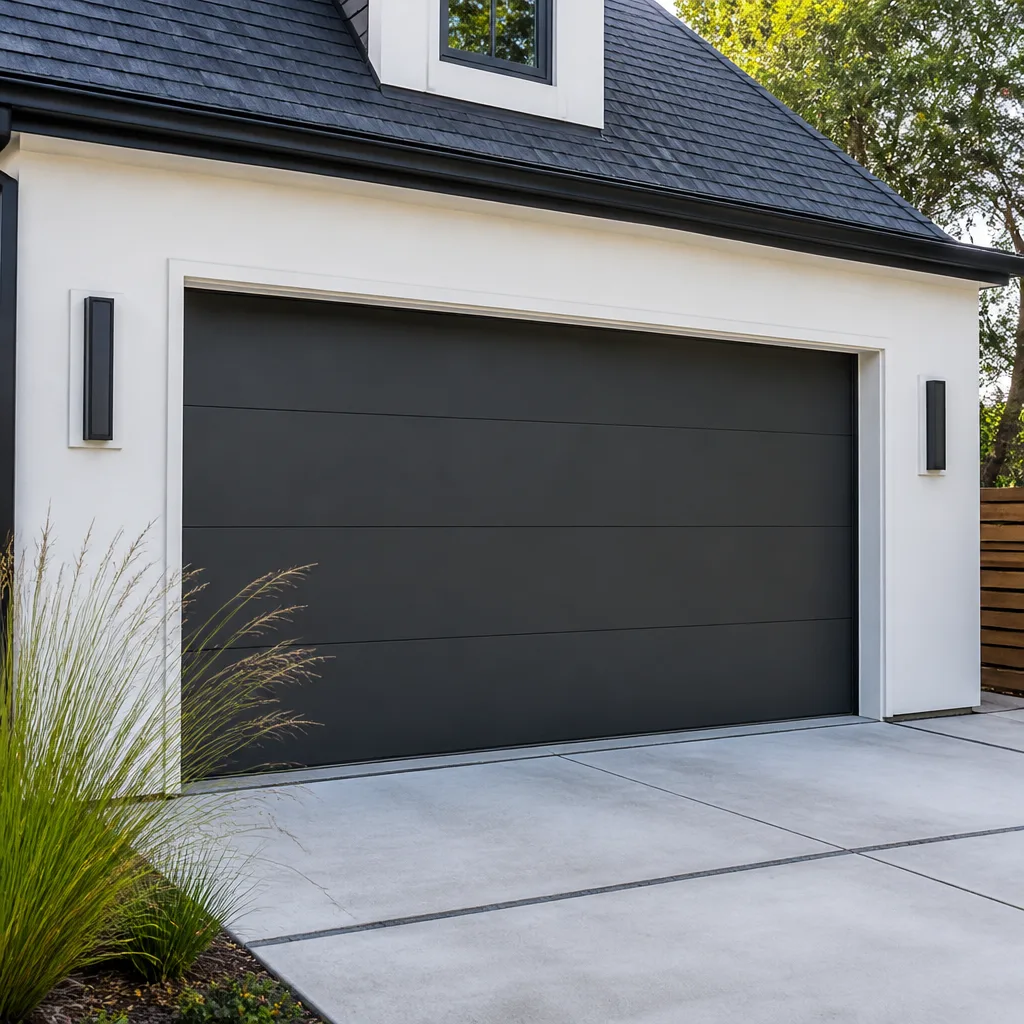 Modern flush
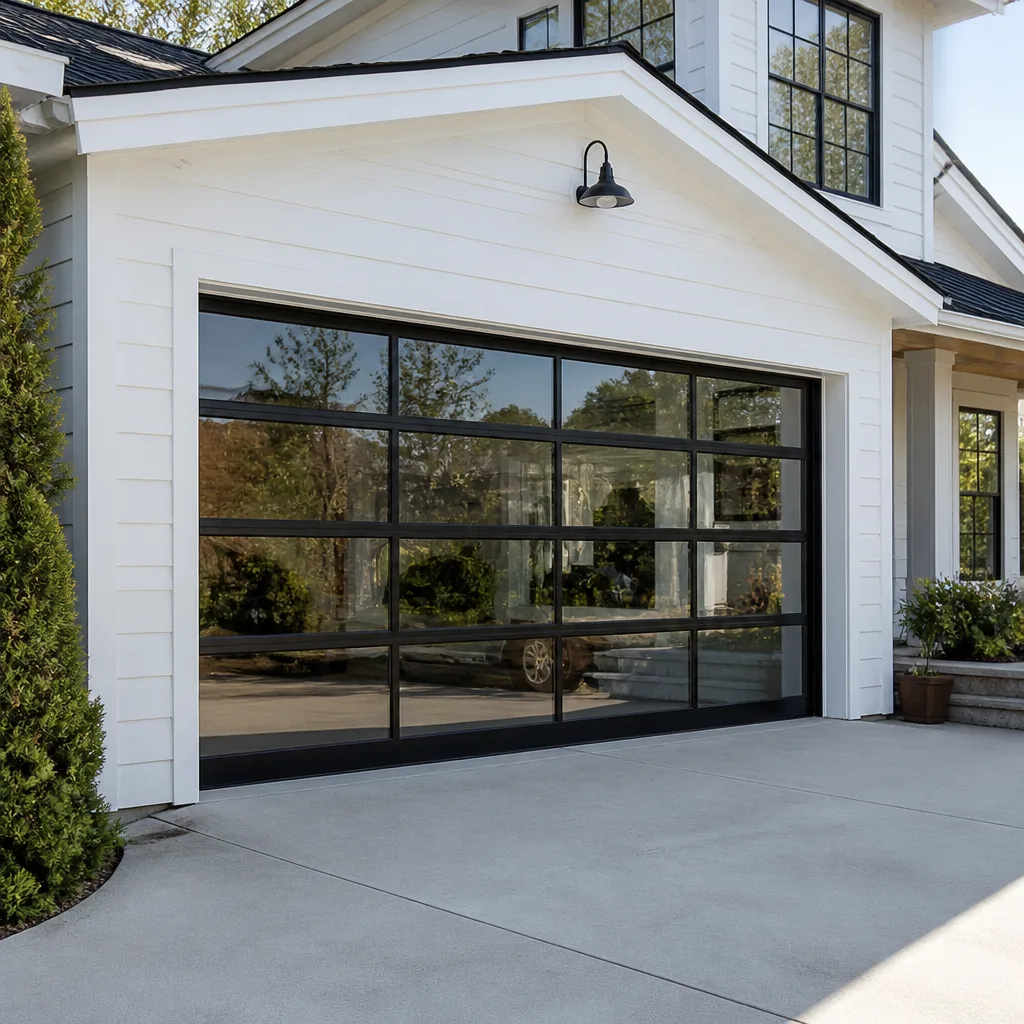 Full-view glass
 LiftMaster openers
 Chamberlain openers
Full 25-point door and opener safety check with every visit - springs, cables, rollers, tracks, and your LiftMaster or Chamberlain opener included
You get a price before we start. It does not change when the pro arrives.
Get your free estimateGarage Door Permits, Codes & Inspections in Wilmington, NC: What You Need to Know
Most homeowners assume a garage door swap needs no paperwork. It’s a door, after all, not an addition. But in Wilmington, NC, the rules get more interesting than that. A like-for-like spring or opener repair almost never touches a permit. A full replacement can, depending on how the door is anchored, rated, and recorded, and New Hanover County’s wind-load requirements sit right in the middle of the question. This guide walks through exactly when you need a permit, how inspections work, what a Design Pressure rating means at the door, and how to check whether a home you’re buying had its door installed legally. We’ll also cover the HOA overlay in places like Landfall and Autumn Hall, where a county approval is only half the story.
Quick Answer
In Wilmington, a garage door repair (springs, opener, panels, tracks) usually does not require a building permit. A full garage door replacement can require one under New Hanover County’s wind-load rules, and the replacement door typically must meet a minimum Design Pressure (DP) rating to pass inspection. Whether your specific job needs a permit depends on the door’s wind rating, the anchoring and structural changes involved, and the scope of the work, so the safest move is to confirm with the city or county building department and get it documented before work starts.
Styles & brands we work with
- Raised-panel steel
- Carriage house
- Modern flush
- Full-view glass
- LiftMaster openers
- Chamberlain openers
Table of Contents
- Repair vs. Replacement: When Does a Garage Door Job Need a Permit in Wilmington?
- New Hanover County Wind Zones and the DP Rating Your Door Must Meet
- How a Garage Door Permit Inspection Actually Works
- How to Check Permit History on a Wilmington Home You’re Buying
- Who’s Responsible for the Permit: Contractor or Homeowner?
- HOA Overlay Rules in Landfall, Autumn Hall and Other Wilmington Communities
- The Permit Process Step by Step
- What Happens at Resale If the Door Wasn’t Permitted
Repair vs. Replacement: When Does a Garage Door Job Need a Permit in Wilmington?
A garage door repair generally does not require a permit. A garage door replacement can. That’s the cleanest way to think about it in Wilmington, and it’s where most homeowners get surprised.
The dividing line under the North Carolina Building Code is whether the job is treated as a like-for-like replacement or as a structural alteration. A like-for-like replacement means the new door goes into the same opening, uses the same track and anchoring points, and doesn’t change the structural loads on the wall. That kind of swap often falls below the trigger for a permit. A structural alteration is different: new anchorage, changed opening dimensions, a different door weight or wind load, or anything that affects how the door ties into the framing. That’s when the paperwork kicks in.
Here’s the practical breakdown we walk homeowners through:
- No permit usually required: Spring replacement, cable replacement, opener repair or replacement, roller and hinge service, track realignment, panel replacement where the door frame and anchoring stay unchanged.
- Permit frequently required: A full door replacement where wind rating requirements apply, a change in door size or weight, new anchoring into the framing, or a door being added to an opening that didn’t have one.
- Depends on scope: A panel replacement that changes the door’s rated wind performance, or a replacement where the new door’s DP rating differs materially from the old one.
Two things are worth saying plainly. First, the county, not us, makes the final call on whether your specific job crosses the line. Second, the honest answer is often “let’s ask the building department.” That’s not us dodging the question, it’s us respecting the fact that the wrong assumption here costs more to fix later than to prevent now. If you’re scheduling a full garage door repair or replacement in Wilmington, we’ll flag the permit question before we quote, not after.
One more point: even a “no permit required” repair benefits from being done by someone who understands brands like Amarr and Wayne Dalton specifically. Anchor points and door weights are manufacturer-specific, and a door put back together with generic hardware can create problems that look permittable later. We work on those brands directly, so the repair holds up.
New Hanover County Wind Zones and the DP Rating Your Door Must Meet
New Hanover County sits in a wind zone that matters for anything attached to a wall of your home, including your garage door. That’s why a replacement door can trigger a permit even when a repair wouldn’t. The building department wants to see that the door you’re installing meets a minimum Design Pressure, or DP, rating that fits that location and the opening it covers.
Design Pressure is the rating that tells you how much wind load a door assembly can handle. Doors carry a DP rating stamped on their label, and the required rating depends on factors the building department determines for your address, including the county’s wind zone classification and the specifics of the opening. You cannot simply install the cheapest door on the shelf and assume it will pass. If the door you install carries a DP rating below what’s required for your property, the inspection can fail, and the door may need to come out and be replaced.
What this means for you in practice:
- Confirm the required DP rating for your address with the county building department before you buy. The rating is tied to location, not to your preference or budget.
- Buy a door that carries the required rating on its label. A manufacturer’s door spec sheet and label are your proof at inspection time.
- Make sure the installation matches the door’s rated anchoring system. A door rated for a given wind load only performs at that rating when it’s anchored the way the manufacturer specifies.
- Keep the rating documentation and the permit records together. They travel with the property at resale.
We see homeowners in Wilmington get tripped up here most often on older doors that were spec’d decades ago and are being replaced with a modern door that has a different profile. The new door is fine, but it doesn’t necessarily match what was there before, and the permit and rating documentation need to match the door that’s actually on the wall. When we install doors from Amarr or Raynor, we make sure the rating on the label matches what we quoted and what the county will ask for. Whether you’re replacing one door or the whole system, the rating is not a detail you can skip. If you’re also repairing an opener, that’s a different job; garage door opener repair stays on the electrical and mechanical side and doesn’t change the door’s rated wind performance.
How a Garage Door Permit Inspection Actually Works
A garage door permit inspection is typically a visual verification that the door installed matches what the permit describes and meets the required rating for the property. The inspector checks the door, the label, the anchoring, and the connection to the framing, then signs off. It’s not a deep mechanical test of the opener or springs, but it does look for anything that suggests the installation doesn’t match the approved plan.
Here’s the general sequence, though the exact steps depend on your jurisdiction:
- Permit pulled before work begins. The permit is filed with the city or county, and it lists the door, the rating, and the scope. Work on a permitted job starts after the permit is issued.
- Installation matches the permit. The door goes in with the correct DP label visible or documented, the anchoring matches the manufacturer’s specification, and the door operates freely.
- Inspection request. The installer or homeowner requests the inspection once the door is installed, and the inspector arrives to verify.
- Sign-off and records. A passing inspection is recorded and, in most cases, becomes part of the property’s permit history.
The most common reason a Wilmington garage door inspection fails: the door labeled on the permit doesn’t match the door on the wall, or the door’s rating doesn’t match the property. That’s an installation and documentation problem, not a mechanical one, and it’s avoidable when the right door is ordered for the address in the first place. The second most common issue is anchoring that doesn’t follow the manufacturer’s spec, which is why a brand-trained installer matters more than a generic handyman for this job.
If the inspection comes back with a correction notice, we can help you understand what’s required before you call the inspector back. The fix usually comes down to documentation and anchoring, not to the door itself.
How to Check Permit History on a Wilmington Home You’re Buying
You can check permit history on a Wilmington home through the city or county building department, usually by address or parcel number, and this is one of the highest-value steps in a home inspection. A door that was replaced without a permit can surface years later as a closing problem, so it’s worth confirming before you sign.
Here’s the process we suggest to buyers:
- Get the address and parcel number from the listing or the county property records. The parcel number is what the building department actually tracks against.
- Request the permit history for that address from the city or county building department. Ask specifically for garage-related permits and any closed or expired permits.
- Compare the permit records to the door currently installed. If the door is newer than the last permit on record, or if the door’s label doesn’t match a listed permit, dig deeper.
- Have the door inspected by a garage door technician as part of your inspection period. A technician can identify the brand, the door model, its DP rating label, and whether the anchoring looks consistent with a permitted install.
- Raise any gap with your agent and, if needed, the seller, before closing. A missing permit is fixable, but it’s a negotiating point, not a nothing.
A good garage door inspection for a buyer looks at more than whether the door opens. We check the door brand (Amarr, Wayne Dalton, Craftsman, Raynor and the other major brands all carry identifying markings), the rating label, the spring condition, the track, the opener, and the anchoring. A door installed legally and to spec is usually obvious once you know what you’re looking at, and a door that wasn’t is often just as obvious to a trained eye.
For buyers who want a single pass over the door and the opener, that’s the same visit. Our technicians have up to 11 years of experience, and identifying a door and opener by brand and model is routine for them.
Who’s Responsible for the Permit: Contractor or Homeowner?
Responsibility for the permit depends on who pulls it, and it’s worth being explicit in writing before installation starts. In most residential garage door replacements, the contractor pulls the permit because the contractor is the one doing the work and carrying the knowledge of the door and its rating. But the homeowner is the property owner and ultimately the one whose home is on the permit record, so the homeowner’s exposure is real if a permit is skipped.
The cleanest arrangement looks like this:
- Contractor: pulls the permit, documents the door and rating, files the inspection request, and provides the homeowner with copies of the permit and the sign-off.
- Homeowner: confirms in writing who is pulling the permit before work begins, checks that the permit number exists in the record, and keeps the documents.
- Both: understand that a door installed without the required permit can create a problem at resale and, depending on the situation, an insurance question if damage occurs during a named storm.
If a contractor says “you don’t need a permit for this,” ask for that in writing and ask the building department to confirm. If a homeowner decides to skip a permit that was required, that’s the homeowner’s decision on the homeowner’s property record. We can’t tell you what your insurer will do in a specific loss, but we can tell you that an unpermitted install is not something you want to explain during a claim. Getting the permit right the first time costs far less than sorting it out later.
We handle the permit conversation up front, before we quote, and we’ll tell you honestly whether your job needs one. If a repair is all you need, a permit shouldn’t be part of the conversation at all. If a replacement is in play, we’ll walk the process with you. Call (866) 961-8704 and we’ll get the conversation started. We answer 24/7. Fast dispatch from 7am to 7pm, Sunday through Friday.
HOA Overlay Rules in Landfall, Autumn Hall and Other Wilmington Communities
In HOA communities like Landfall and Autumn Hall, a county permit or a passing inspection is only one layer of approval. The homeowner association adds an aesthetic review on top, and that review can slow a garage door replacement even when the county has signed off. This is one of the most overlooked steps in the whole process.
What an HOA review typically covers:
- Door style and panel configuration. Many HOAs have approved styles, and a door that doesn’t match the community’s design guidelines can be rejected even if it’s a great door.
- Color and finish. The color palette is often controlled, so the door you love may need a different factory finish to pass.
- Window and hardware details. Decorative hardware and window inserts can be part of the approval package.
- Submission process. Most HOAs require an architectural review request with the manufacturer’s spec sheet, color sample, and sometimes a drawing before installation.
The practical advice: pull the HOA guidelines before you order the door, not after. The county permit and the HOA approval are two separate tracks, and a door can pass the county inspection but still fail the HOA review if the style doesn’t match the approved look. We’ve walked homeowners through this enough to know that the earlier the HOA packet goes in, the smoother the install. If you’re in a Wilmington community with design guidelines, get the approval in hand before the door is ordered.
The good news: the door brands we work with most, including Amarr and Wayne Dalton, offer styles that commonly appear on Wilmington-area HOA approved lists. That makes the style conversation a design choice rather than a scramble.
The Permit Process Step by Step
Here’s the general permit process for a garage door replacement in Wilmington, in the order it typically happens. Steps and timelines vary by jurisdiction, so confirm the specifics with the city or county building department for your address.
- Confirm whether the job needs a permit. Describe the door, the opening, and the anchoring to the building department, and ask them to confirm. Get the answer documented.
- Determine the required DP rating for your address. This comes from the building department based on the county’s wind zone and your property, not from a guess.
- Select a door that meets the rating. The door’s label needs to carry the required rating, and the manufacturer’s anchoring specification needs to match your install.
- Check HOA requirements before you order the door. If you’re in an HOA community, submit the architectural review request with the spec sheet, color, and drawings.
- Pull the permit before work begins. Confirm who pulls it, the contractor or the homeowner, and get the permit number once it’s issued.
- Install the door to match the permit and the manufacturer’s spec. The door, the anchoring, and the label should all match what was approved.
- Request the inspection. Once the door is installed and operating, the inspection is scheduled and completed.
- Keep the documents. Permit, inspection record, door rating, and HOA approval belong together in the home file for as long as you own the home.
This is the process we walk through with every replacement job in Wilmington. The step that gets skipped by other trades most often is step four, the HOA check, because it sits outside the county’s process. Don’t skip it. If your door is in an HOA community, the door that passes county inspection can still be the wrong door for the neighborhood. Getting both approvals before the door is ordered saves a return visit and a replacement order.
For door and opener repairs, steps one through eight don’t apply. A spring, track, or opener repair in Wilmington doesn’t touch a permit, so the process is much shorter. Call (866) 961-8704 and we’ll help you figure out which track your job is on. We answer 24/7. Fast dispatch from 7am to 7pm, Sunday through Friday.
What Happens at Resale If the Door Wasn’t Permitted
An unpermitted garage door doesn’t always surface at resale, but when it does, it usually surfaces during the buyer’s inspection or the title and permit history review. That’s where the problem gets expensive: the buyer’s inspector flags the door, the buyer’s agent asks for the paperwork, and the seller has to produce a permit that doesn’t exist. The fix can range from a documentation cleanup to a re-inspection to a full re-permit and install of a door that meets the current requirement.
What typically happens in that scenario:
- The buyer’s inspector notes the missing permit. A garage door that was replaced with no permit on record is a flag in the inspection report.
- The buyer asks for documentation or a credit. The seller either produces the permit and inspection record or negotiates a credit toward a fix.
- The fix can be a full re-permit. Depending on the door, that can mean a new door with the current required rating, a new inspection, and a new permit fee.
- The sale can be delayed. Permit issues and inspection re-verification take time, and a delay at closing is often the most costly part of the whole problem.
For anyone selling a Wilmington home with a relatively recent door replacement, the simplest move is to check the permit history before the home goes on the market. If the permit is missing and the door was replaced after the last recorded permit, talk to the building department about what it takes to get the documentation right. The earlier that’s handled, the less negotiating leverage the missing paperwork becomes at closing.
The good news for buyers and sellers alike: garage door documentation is resolvable, and it’s not a hidden problem in most cases. A quick check with the county and a garage door technician’s inspection will tell you where you stand. Our team works on all major brands, including Amarr, Wayne Dalton, Craftsman, and Raynor, so the door on the wall is one we can identify and advise on in one visit.
Common Mistakes to Avoid
- Assuming a replacement never needs a permit. Repairs usually don’t, but a full replacement can. The assumption that “it’s just a door” is the most common mistake we see in Wilmington.
- Ordering the door before confirming the DP rating. A door that doesn’t carry the required rating for your address can fail inspection after it’s already installed. Check the rating first, order second.
- Skipping the HOA architectural review. A door that passes county inspection can still be rejected by the HOA in Landfall, Autumn Hall, and other communities. Get the HOA approval in hand before ordering.
- Trusting a verbal “no permit needed” from a contractor. Ask for it in writing, and confirm directly with the building department. A verbal reassurance isn’t documentation, and it doesn’t travel with the home.
- Not checking permit history before buying. If you’re buying a Wilmington home, pull the permit history. The door currently on the wall should match a permit on record.
- Losing the paperwork. The permit, inspection sign-off, rating label documentation, and HOA approval should be kept with the home’s records. They matter at resale.
- Letting a generic handyman install a rated door. DP ratings depend on manufacturer-specified anchoring, and a brand-trained installer gets that right. A generic installer can undo a rated door’s performance without meaning to.
See the difference
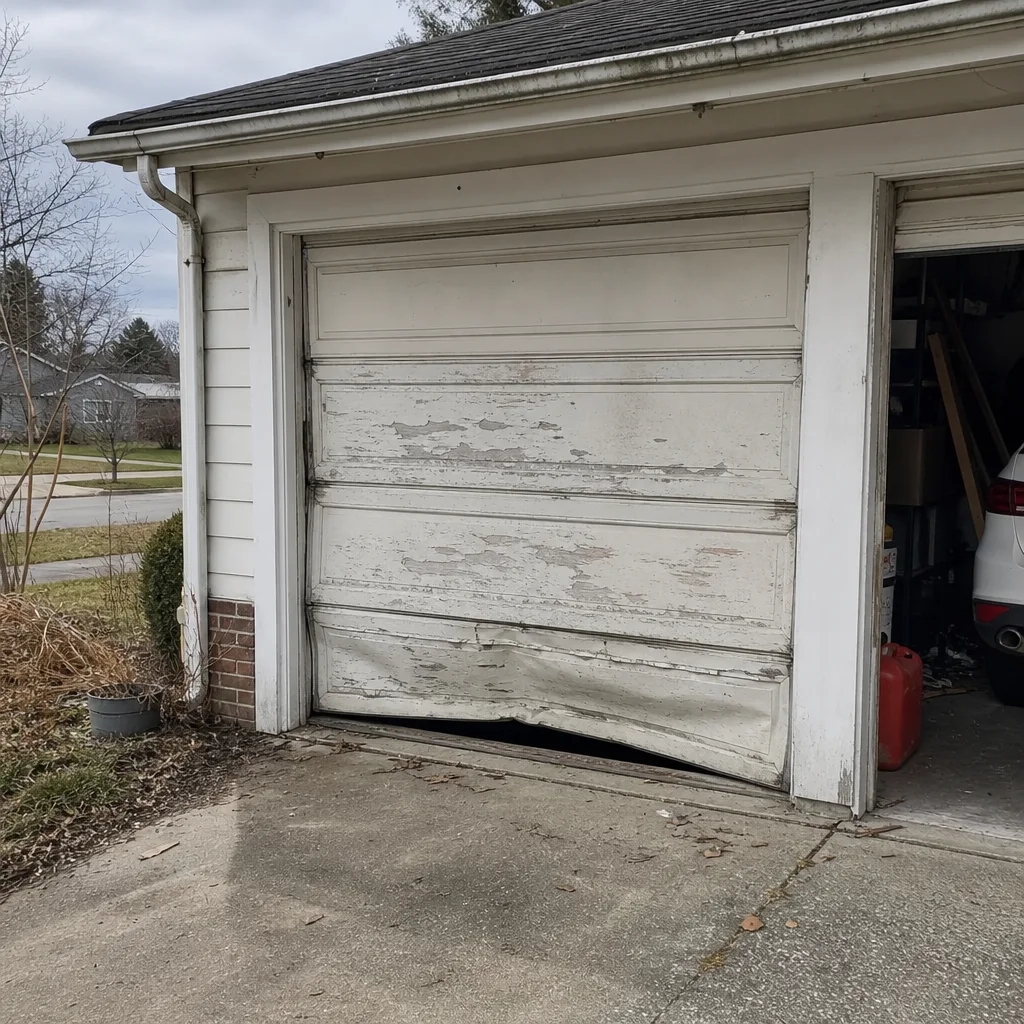 Before
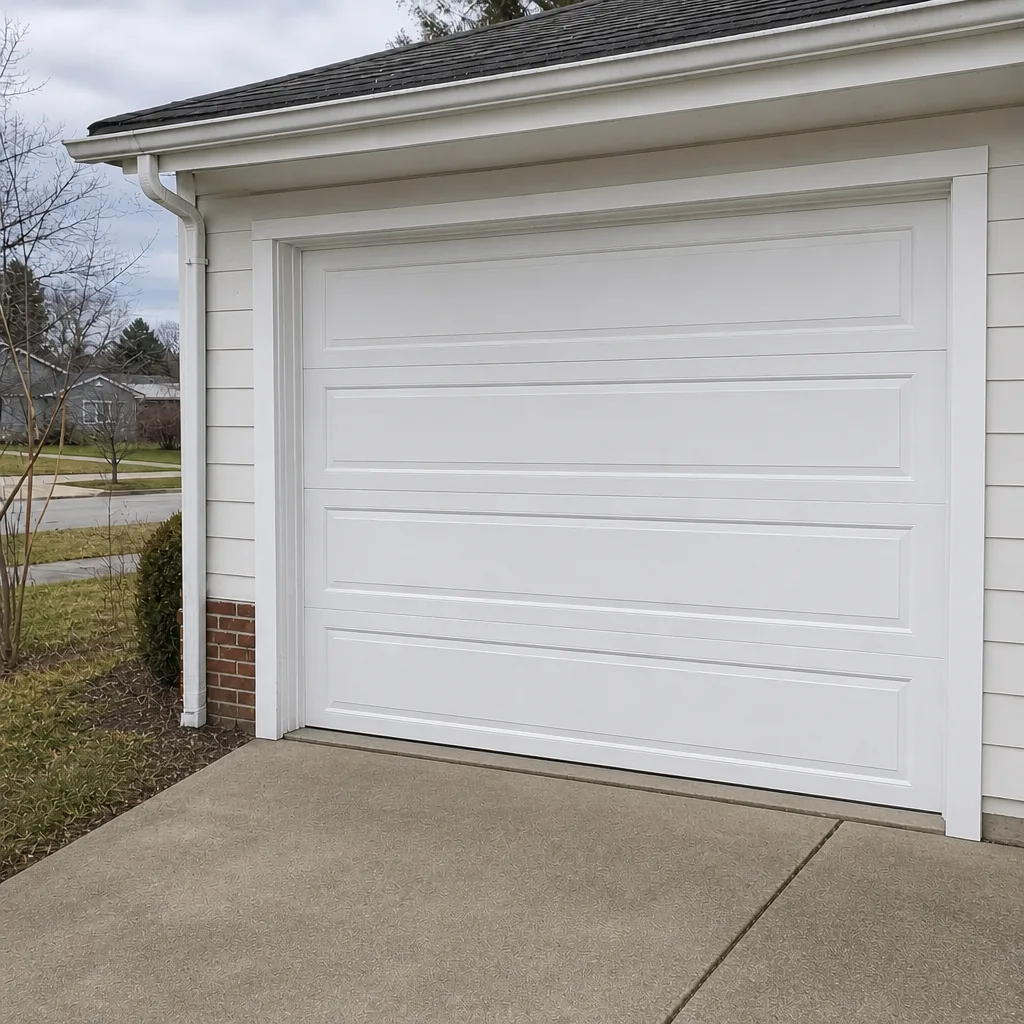 After
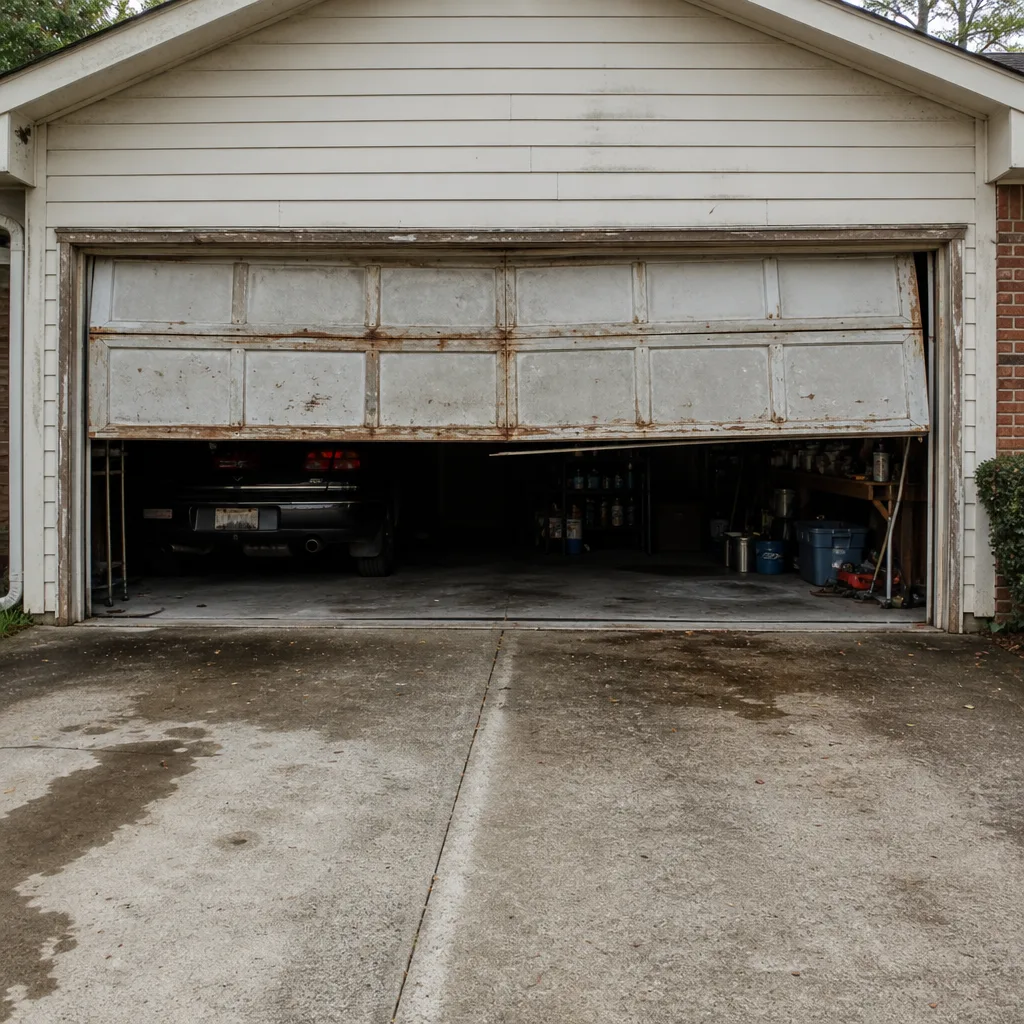 Before
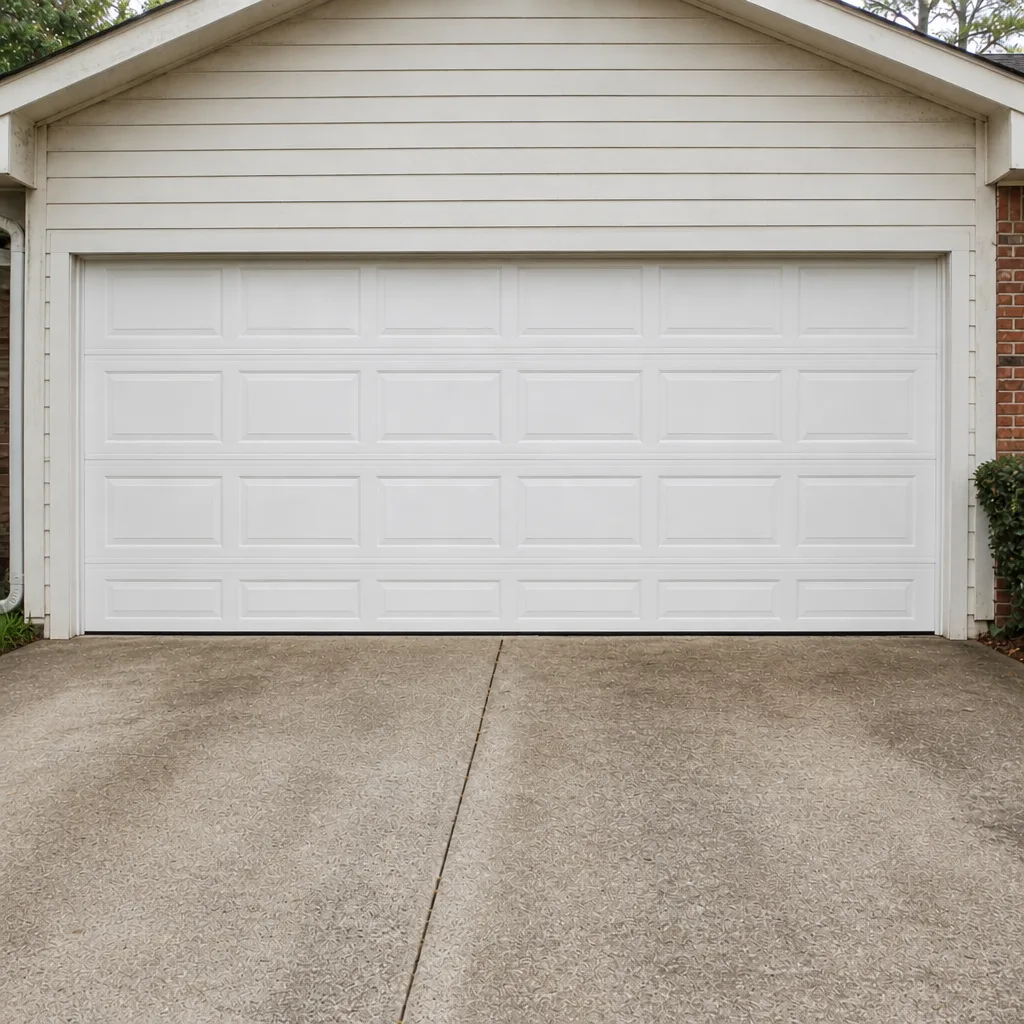 After
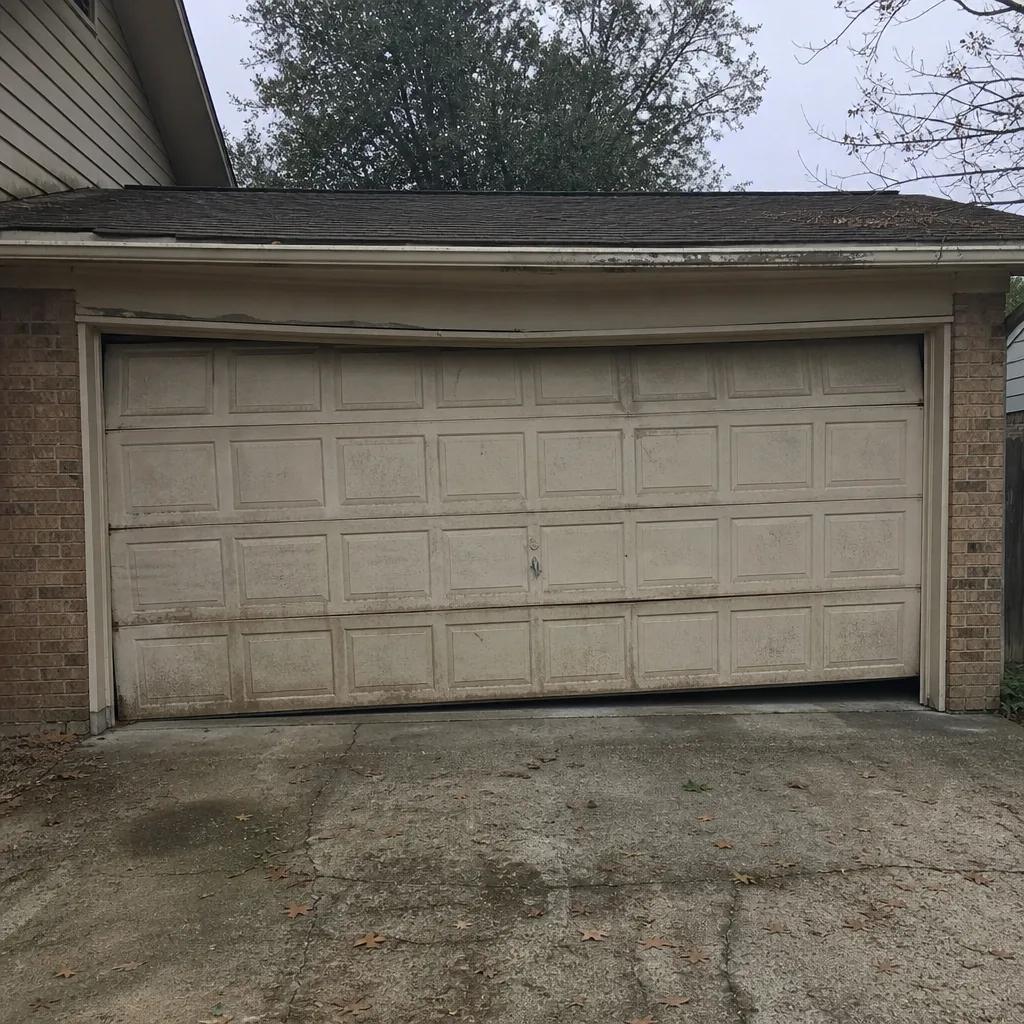 Before
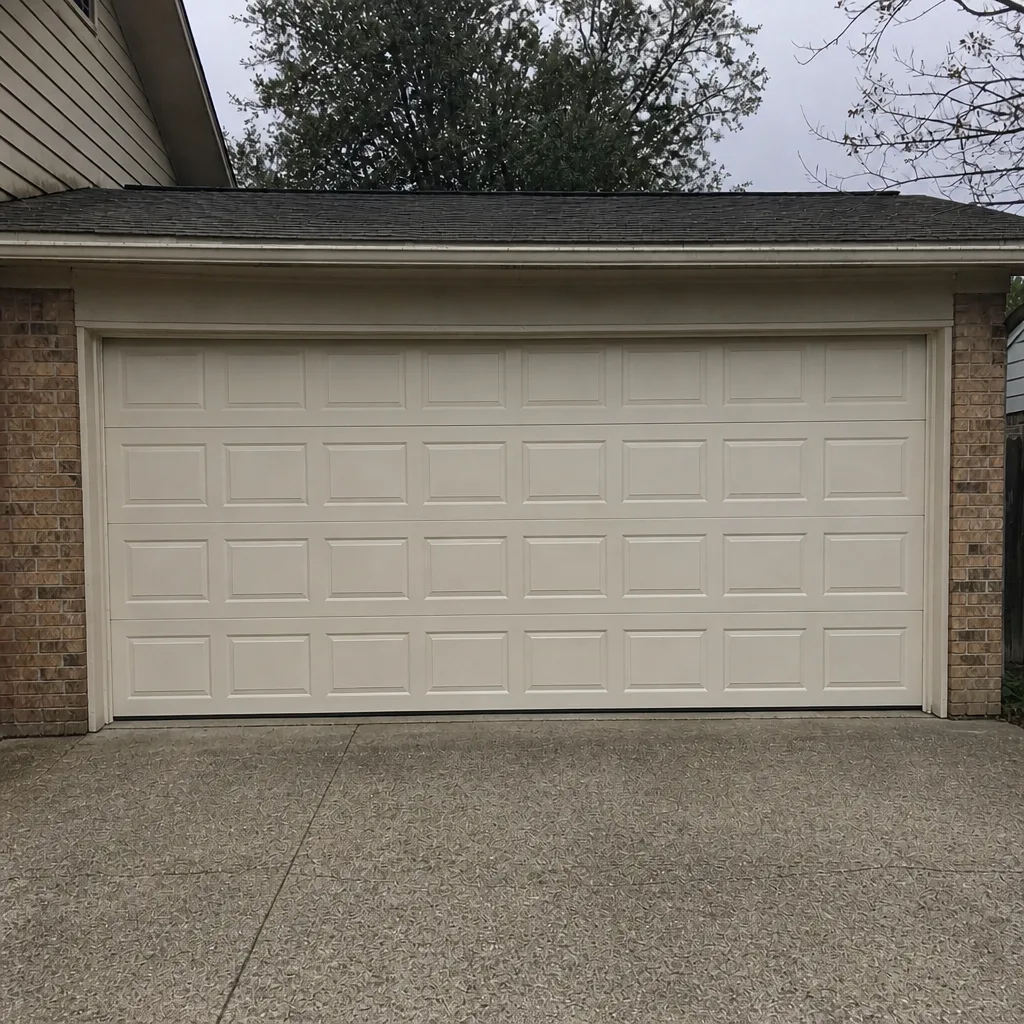 After
When to Call a Professional
Call a garage door technician when the door is a replacement candidate, when the rating on the door is unclear, when the anchoring looks questionable, or when you’re mid-purchase and need a documented inspection. Call us when the door isn’t opening or closing smoothly, when the opener has stopped responding, or when you need a straight answer on whether the door on the wall is likely permitted. This is one of those areas where a quick professional look saves far more than it costs. If your door or opener is the problem rather than the paperwork, our garage door repair and garage door opener repair teams handle both. Gable Garage Door Repair offers free estimates in Wilmington, so give us a call at (866) 961-8704. We answer 24/7. Fast dispatch from 7am to 7pm, Sunday through Friday. You can also read more about how we work and where we work in Wilmington, and start from the Gable Garage Door Repair homepage if you’re not sure which service fits your door.
Frequently Asked Questions
Sometimes. A full garage door replacement in Wilmington can require a permit under New Hanover County’s wind-load requirements, especially when the door’s wind rating or anchoring is part of the scope. Spring, cable, track, panel, and opener repairs generally do not. Confirm with the county building department for your address before work begins. Call (866) 961-8704 for an exact quote on the work you need.
The required Design Pressure (DP) rating depends on the county’s wind zone classification for your property and the specific opening, so there’s no single number that applies to every home in Wilmington. The building department determines the required minimum for your address, and the replacement door must carry a label showing it meets that minimum. Call (866) 961-8704 and we’ll tell you what the label on your current door shows before you order a new one.
Usually not. Repairs to springs, cables, tracks, panels, openers, and rollers typically don’t require a permit or an inspection in Wilmington. A repair that changes the door’s rated wind performance or its structural connection to the wall is the exception. If you’re unsure, ask the building department, and call (866) 961-8704 for an honest read on your specific job.
Request the permit history for the address and parcel number from the city or county building department. Compare the permits on record to the door currently installed. If the door is newer than the last permit, or if the label doesn’t match a listed permit, dig deeper. It’s a valuable step to take during the inspection period when buying. Call (866) 961-8704 if you want a technician to identify the door and its rating on-site.
Often, yes. HOAs in Wilmington-area communities like Landfall and Autumn Hall typically add an architectural review on top of county permits, covering door style, color, and hardware. The HOA approval and the county permit are separate, and you need both. Get the HOA guidelines and submit the review packet before ordering the door. Call (866) 961-8704 for help selecting a door that matches both the community style and the county rating requirement.
If a permit was required and wasn’t pulled, the missing paperwork can surface during the buyer’s inspection or permit history review at resale, and the fix can range from re-documentation to a re-permit and a new door that meets the current rating requirement. It can also create complications if a damage claim is made after a named storm, depending on your insurer’s handling. The cleanest path is to pull the permit before installation. Call (866) 961-8704 and we’ll help you get the paperwork right the first time.
The Bottom Line
Garage door repairs in Wilmington usually don’t need a permit. Full replacements sometimes do, and the deciding factor is whether the job changes the door’s wind rating or its structural connection to the wall. The DP rating on the new door has to match what the county requires for your address, the HOA overlay in communities like Landfall and Autumn Hall adds a second approval, and the permit history is something you should verify before buying a home and keep current after a replacement. None of this is a reason to avoid replacing a door. It’s a reason to get the paperwork right at the start, when it’s easy, rather than at resale, when it isn’t.
If you’re not sure which side of the line your job falls on, that’s the right time to call. Gable Garage Door Repair works on garage doors and openers from eight major brands, including Amarr, Wayne Dalton, Craftsman, and Raynor, and we’ll tell you straight whether your project needs a permit or not. Call (866) 961-8704 for a free estimate. We answer 24/7. Fast dispatch from 7am to 7pm, Sunday through Friday. We’re closed on Saturday.
Written by the team at Gable Garage Door Repair.