
Last updated November 15, 2026
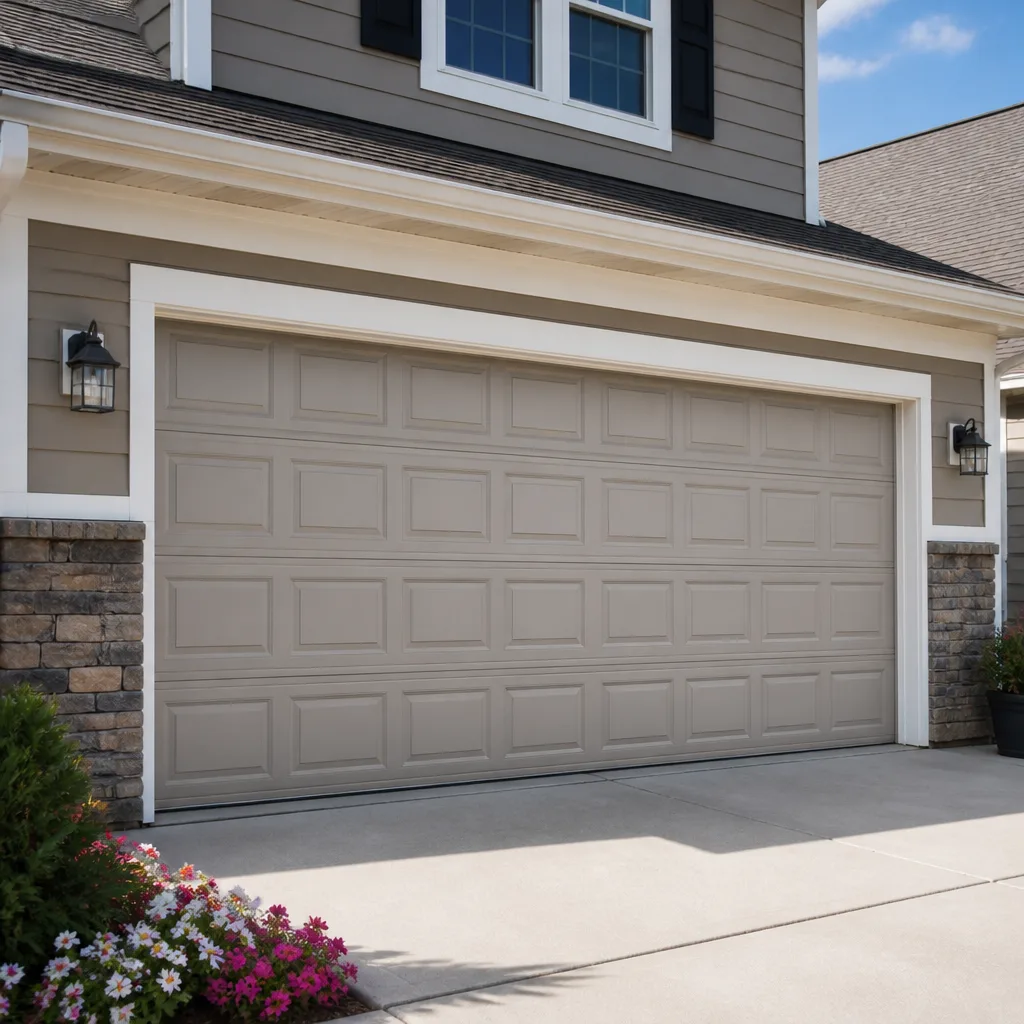 Raised-panel steel
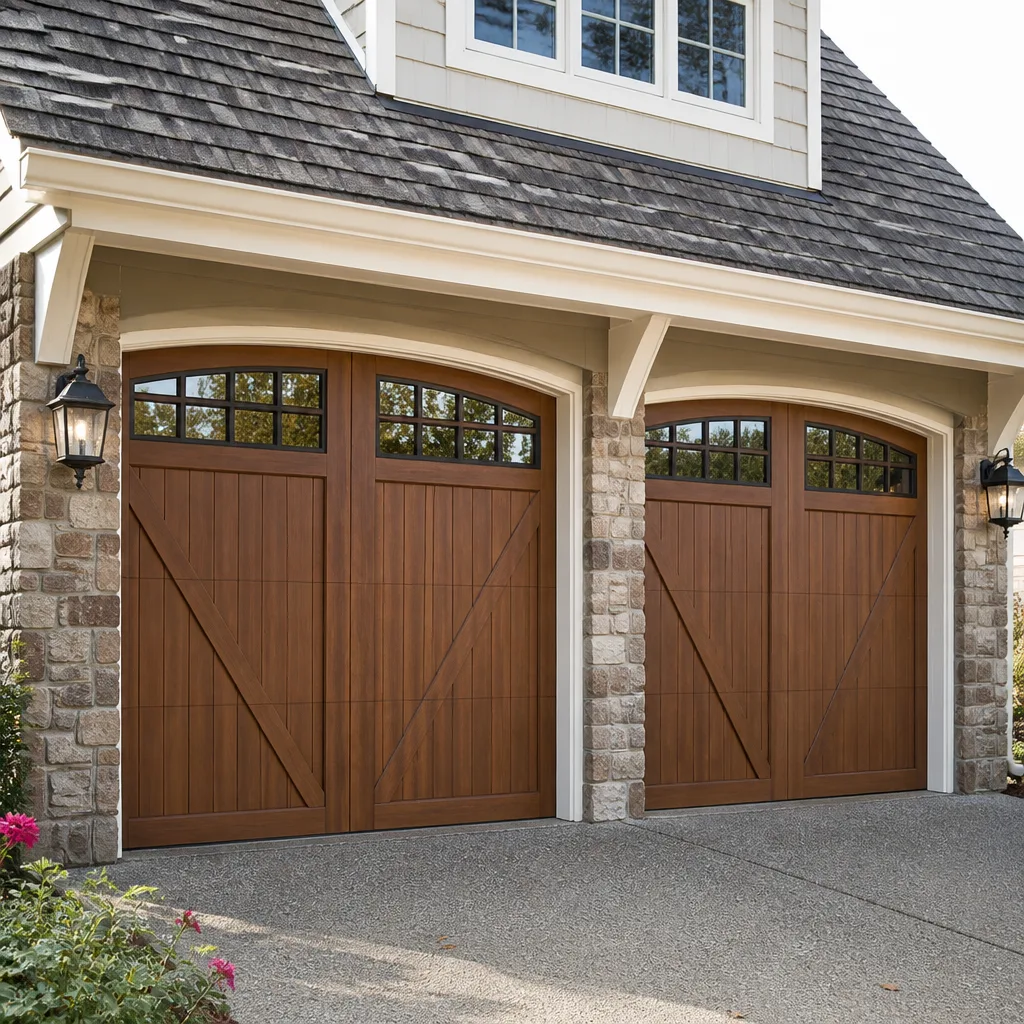 Carriage house
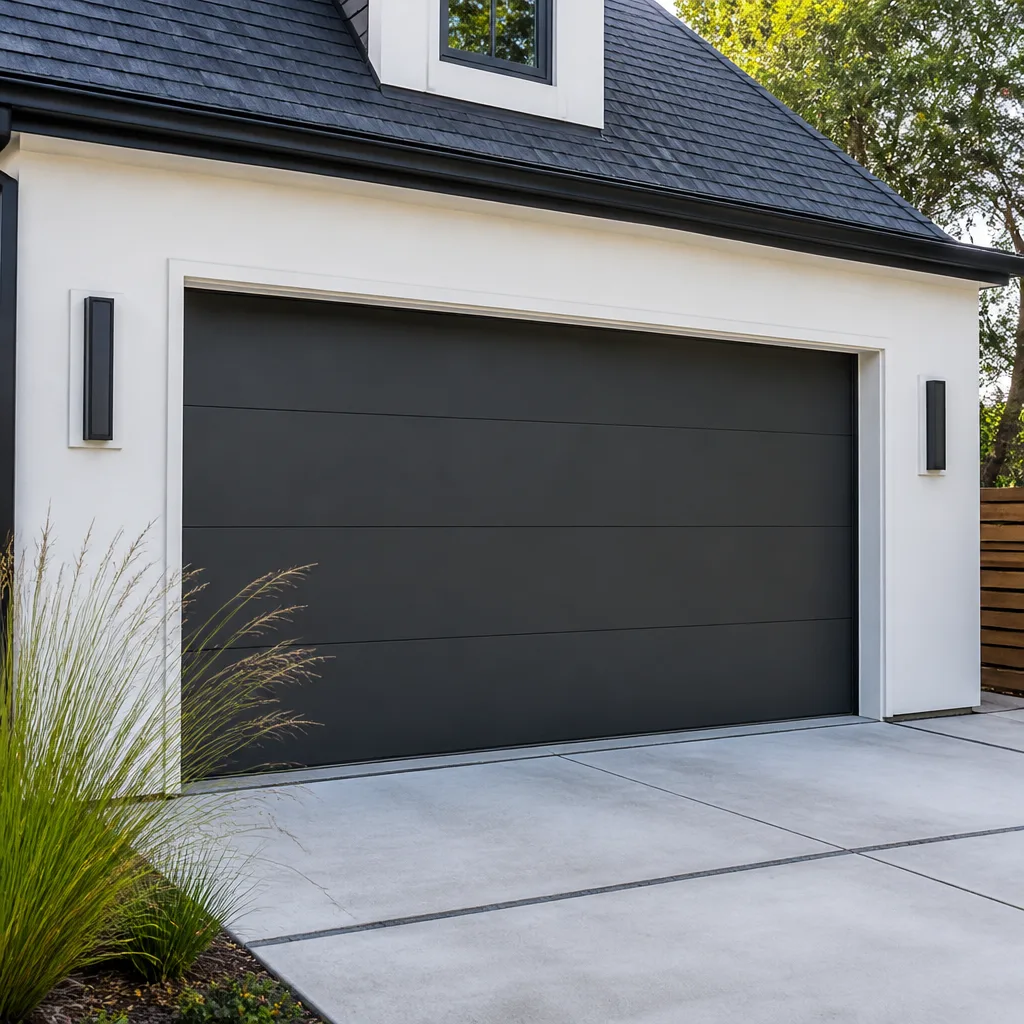 Modern flush
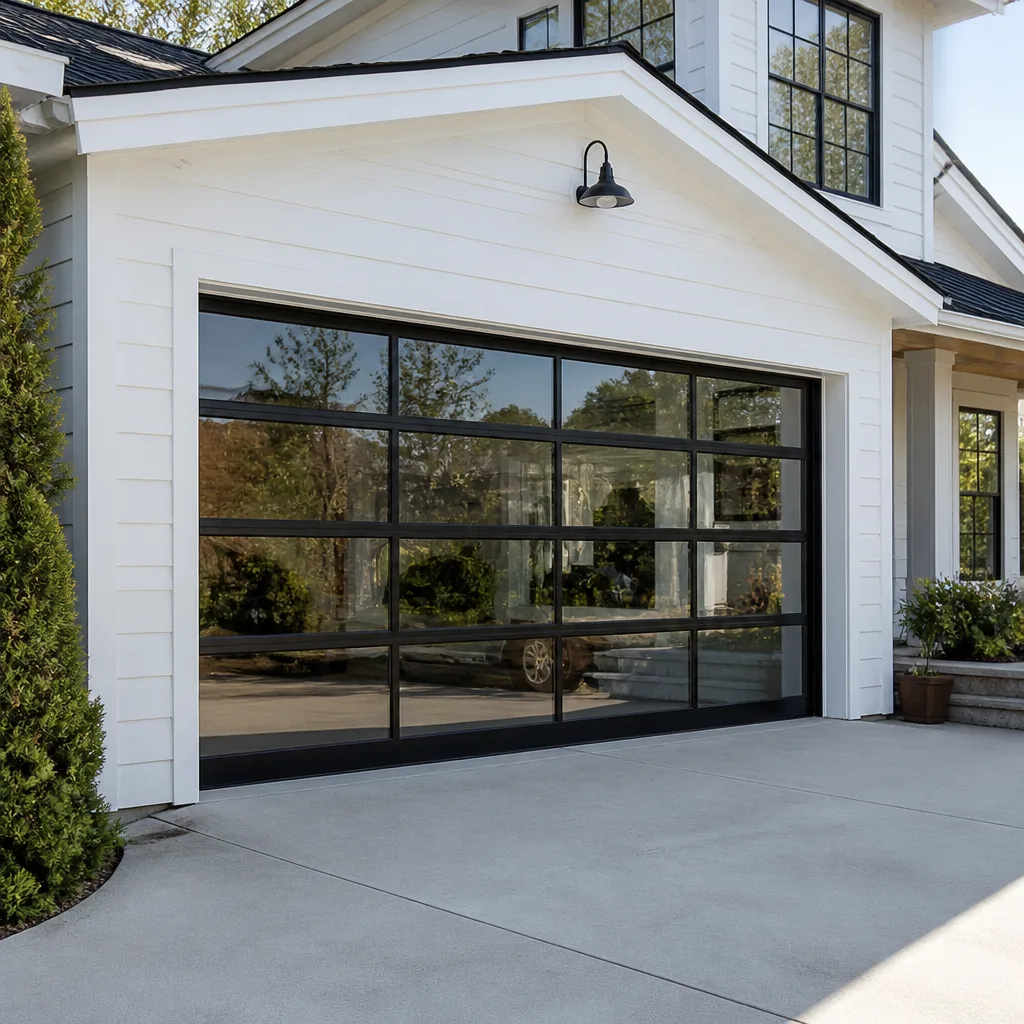 Full-view glass
 LiftMaster openers
 Chamberlain openers
Full 25-point door and opener safety check with every visit - springs, cables, rollers, tracks, and your LiftMaster or Chamberlain opener included
You get a price before we start. It does not change when the pro arrives.
Get your free estimateGarage Door Repair Maintenance Checklist for Wilmington Homeowners
Most garage door maintenance checklists you’ll find online were written for a climate that isn’t ours. They assume dry air, mild summers, and a door that sits in a garage protected from everything. Wilmington isn’t that place. Our average humidity stays above 70% for much of the year, summer heat radiates off asphalt driveways and bakes the door from the inside, and pollen season coats every horizontal surface in sight. A checklist calibrated for Phoenix will tell you to do things in the wrong order and skip the items that actually matter here. This guide is built for Wilmington specifically: what to check, how often, which tasks take fifteen minutes and which ones belong in a technician’s hands. By the end you’ll know exactly what your door needs and when.
Quick Answer
A garage door maintenance checklist for Wilmington should cover monthly visual inspections of hinges, roller stems, and spring coils for rust; lubrication with silicone-based spray rather than lithium grease; an auto-reverse safety test before hurricane season; bottom seal and weatherstripping checks tied to pollen season; and a balance test twice a year. Roughly half of these tasks take under fifteen minutes and need no tools beyond a lubricant and a rag. The rest, especially anything involving springs, cables, or the opener’s internal mechanics, should go to a trained technician the moment you spot a problem.
Styles & brands we work with
- Raised-panel steel
- Carriage house
- Modern flush
- Full-view glass
- LiftMaster openers
- Chamberlain openers
Table of Contents
- Monthly Visual Checks for Wilmington Humidity
- Why Lithium Grease Is the Wrong Choice Here
- Testing Auto-Reverse Before Hurricane Season
- Panel Seals and Pollen Season
- The Balance Test and Spring Wear
- Opener and Remote Maintenance
- Homeowner vs. Technician: An Honest Triage Guide
- A Seasonal Calendar for Wilmington Doors
Monthly Visual Checks for Wilmington Humidity
Humidity is the quiet enemy of a garage door in Wilmington. It doesn’t break things overnight. It works on the small metal parts first, and by the time you notice a grinding sound or a door that hangs up halfway, rust has been eating at a hinge pin or roller stem for months. A five-minute walk-around once a month catches most of it.
Start at the hinges. Open the door and look at each hinge plate where it meets the track and the panel. Rust on a hinge pin shows up as a reddish-brown dust first, then as pitting on the pin itself. Wipe a finger along the pin. If it comes away gritty or stained, the hinge is a candidate for replacement before it seizes.
Next, check the roller stems. These are the short metal shafts that hold each roller in its bracket. In high humidity, rust forms at the stem-to-bracket joint and gradually freezes the roller so it skids instead of rolling. A roller that skids wears a flat spot on its surface and starts jumping the track. Run a hand along each roller; if any of them won’t spin freely by finger pressure, that one is done.
Then look at the torsion spring. On a standard torsion setup, the spring sits above the door on a shaft. Rust starts in the coil gaps, those narrow spaces between each winding. Once rust fills a gap, the coil can’t flex evenly and the spring fatigues faster. Check the gaps monthly. Light surface discoloration is normal; heavy orange rust in the gaps means it’s time to have a technician evaluate the spring.
Finish by checking the tracks for debris and the bottom seal for cracks or tears. In Wilmington, pollen and grit collect in the track channels faster than most homeowners expect, and a bottom seal that’s hardened is the most common entry point for water during a summer storm. Add these checks to a monthly routine and you’ll head off the majority of service calls before they start.
Why Lithium Grease Is the Wrong Choice Here
Walk into any hardware store and you’ll find lithium grease on the shelf, labeled for garage doors. It works fine in dry climates. In Wilmington, it’s the wrong product. Lithium grease is thick and tacky by design. In 70%+ humidity, tacky grease grabs every particle of dust, pollen, and grit that floats past it, and within a few weeks a lubricated hinge becomes a sticky hinge coated in grit. That grit works its way into the hinge pin and the roller stem and accelerates the exact wear you were trying to prevent.
The better choice is a silicone-based spray lubricant or a white lithium spray formulated for high-humidity environments. Silicone goes on wet, penetrates the joint, and then dries to a thin film that doesn’t collect dust. It’s the right lubricant for hinges, roller stems, and the pivot points on the door’s arms. Use it sparingly. A light coat is enough; more is not better.
What to lubricate and what to leave alone:
- Hinges: one short spray at each pivot point, then work the door up and down to distribute.
- Roller stems: a drop at the stem, not the roller surface itself. The roller should roll, not slide.
- Torsion springs: a light coat along the coil reduces friction and slows rust. Never unwind or adjust a spring to lubricate it.
- Tracks: never lubricate the tracks. They should stay dry and clean. Grease in a track collects grit and causes the rollers to bind.
- Opener rails and chains: use the lubricant the opener manufacturer specifies. For a LiftMaster or Chamberlain unit, that’s typically a light grease on the rail, not silicone.
Lubricate about every two to three months in Wilmington, and monthly during the humid stretch from late spring through early fall. It’s a fifteen-minute job that costs almost nothing and prevents the majority of mechanical wear we see on doors in this city.
The seals matter here too. A dry, hardened bottom seal cracks and lets water in. Wipe the seal with a silicone spray to keep it pliable. That single item, done consistently, prevents more Wilmington service calls between June and September than any mechanical failure. It’s the cheapest maintenance on this list.
Testing Auto-Reverse Before Hurricane Season
Every garage door opener sold in the US since the early 1990s has two safety features: a photo-eye system that stops the door if something crosses the beam, and a force-sensing auto-reverse that sends the door back up if it meets resistance. In Wilmington, both of these need a check before hurricane season, and there’s a specific reason why.
When a storm rolls through, wooden door trim and jamb material can swell with moisture. A door that closes cleanly in April may close with more resistance in August because the frame has swollen against it. If the opener’s force sensitivity is set too high, it will push through that resistance instead of reversing, and the safety feature that’s supposed to protect a person or pet under the door fails exactly when you need it most.
Here’s how to test auto-reverse safely:
- Open the door fully, then close it using the wall control.
- While it’s closing, wave a broom handle or a rolled-up towel across the photo-eye beam near the floor. The door should reverse immediately.
- If it doesn’t reverse, check that both photo-eye lenses are clean and aligned. Pollen and dust on the lenses are the most common cause of a failed photo-eye test.
- For the force test, place a 2×4 flat on the ground in the door’s path and close the door. It should contact the board and reverse without crushing it.
- If either test fails, stop using the door and have the opener serviced. Don’t adjust the force setting yourself. On a Genie or Chamberlain opener, that setting is a small dial or screw that’s easy to overtighten and hard to get right without a force gauge.
Run this full test in May, before storm season, and again any time you notice the door closing harder than it used to. We include it on every garage door opener repair call because a safety feature that’s out of adjustment is worse than no feature at all: it gives you false confidence.
Panel Seals and Pollen Season
Wilmington’s spring pollen season is short but intense. For several weeks, everything outdoors gets coated in a fine yellow-green dust. Your garage door’s bottom seal and the weatherstripping around the frame collect it, and once pollen mixes with humidity it forms a sticky paste that clogs the seal’s contact edge and starts to break the weather barrier down.
A clogged bottom seal stops sealing properly. The rubber lip that’s supposed to press against the floor gets packed with grit, hardens, and develops small cracks. Once cracked, it lets in water during summer rain and lets conditioned air escape year-round. On the sides, the jamb weatherstripping does the same job, and it’s just as vulnerable.
Check your seals after pollen season ends, usually in late spring, and again in the fall. Here’s what to look for:
- Hardened rubber: press a thumbnail into the bottom seal. It should feel springy. If it’s firm or brittle, it’s due for replacement.
- Cracks and tears: any visible split longer than an inch will leak.
- Gaps when closed: with the door closed, look along the bottom edge for daylight showing through.
- Side weatherstrip separation: the strip should contact the door face evenly along its whole length. Loose sections pull away at the corners first.
Cleaning helps. A rag and mild soapy water along the seal and the door’s bottom edge removes pollen before it hardens. But cleaning won’t reverse cracking, and a seal that’s already hardened won’t soften. Replacement is a straightforward job and one of the cheaper repairs on a garage door.
The panel seals between door sections matter too. On a Clopay or Amarr sectional door, thin seals run between each panel. Pollen and grit work into these joints, and over time the seals flatten. A door that rattles or whistles in the wind usually has worn panel seals. It’s a small part of the overall system, but it’s the difference between a quiet door and one that lets the weather in.
The Balance Test and Spring Wear
A properly balanced door is one you can lift with two fingers. The springs carry its weight, and the opener only has to guide it. When the springs weaken, the opener does more of the lifting. That’s when you get a door that struggles on the way up, wears out its opener prematurely, and eventually drops when the spring finally fails.
Twice a year, run the balance test. Here’s how:
- Close the door and disconnect the opener using the release cord. On most openers, that’s the red-handled pull cord hanging from the rail.
- Lift the door manually about halfway up and let go.
- A balanced door stays where you left it. A door that drifts down is spring-weak and needs service. A door that drifts up is over-tensioned.
- Reconnect the opener by running it to the fully closed position and re-engaging the release.
Never adjust the springs yourself. Torsion springs on a residential door are wound to high tension, and the tools used to wind and unwind them are specific to the trade. A slip can cause serious injury. This is the single most dangerous part of any garage door, and it’s the one place on this checklist where we firmly say: don’t attempt it.
Spring wear in Wilmington runs a little differently than in dry climates. High humidity accelerates rust in the coils, and a rusted coil flexes unevenly, which shortens its life. A spring that would last ten years in Arizona may fatigue in six or seven here. Twice-yearly balance tests catch weakness early, and a technician can measure cycle life and tell you how much life is left.
Our technicians have up to 11 years of experience reading spring condition and can tell you honestly whether a door needs a single spring or the matched pair, which is usually replaced together. If a spring has failed, both typically go at once. A pair costs about twice a single spring; call for a written estimate for your specific door.
Opener and Remote Maintenance
The opener is the electronic half of the system, and it needs its own routine. Most of the problems homeowners describe as “the opener is broken” are actually maintenance items: a force setting out of adjustment, a remote with a dying battery, or a photo-eye lens that’s clouded over.
A simple monthly routine covers most of it:
- Clean the photo-eye lenses with a dry cloth. Pollen and dust build up fast here.
- Test both remotes from the driveway and from inside the car. Short range or intermittent response usually means a weak battery.
- Listen to the opener as the door moves. Grinding, squealing, or a motor that stutters indicates a rail, gear, or logic board issue worth diagnosing.
- Check the manual release works. If the release cord is stuck, a power outage becomes a much bigger problem.
- Verify the wall control responds without delay. A control that intermittently fails is often a wiring or logic board issue.
On a LiftMaster or Chamberlain unit with a battery backup, test the battery once a year by unplugging the opener and opening the door on battery power alone. If the door moves slowly or stalls, the battery is due for replacement. These systems also have built-in diagnostics, usually flashing an error code on the motor head. A technician who knows the brand can read those codes directly rather than guessing.
If your opener is more than a decade old and you’re facing a second repair, replacement often makes more financial sense than another fix. A new unit brings quieter operation, improved safety sensors, and better security on the radio frequency. We’ll tell you plainly which side of that line your opener falls on, and if you’re ready to replace, a full garage door repair assessment can confirm the door itself is worth pairing with a new motor.
Homeowner vs. Technician: An Honest Triage Guide
Not every checklist item needs a service call. Some are genuinely quick and safe for a homeowner to handle in fifteen minutes with a can of silicone spray and a rag. Others look simple but carry real risk. Here’s the honest split.
Safe homeowner tasks (15 minutes or less):
- Lubricate hinges, roller stems, and torsion springs with silicone spray.
- Wipe down the bottom seal and side weatherstripping.
- Clean the photo-eye lenses.
- Replace remote batteries and re-pair the remote if needed.
- Remove debris from the tracks with a dry cloth or soft brush. Never grease the tracks.
- Run the balance test and the auto-reverse safety test, and note the results.
- Replace a cracked bottom seal, if you’re comfortable with basic tools.
Technician-only tasks, the moment you spot them:
- Anything involving the torsion spring. Winding, unwinding, or replacing a spring is dangerous without the right tools and training.
- Any cable issue. Cables are under hundreds of pounds of tension and can cause serious injury if they snap while you’re near them.
- Straightening or repairing bent tracks. Even a small bend can cause the door to fall out of the track while it’s moving.
- Adjusting the opener’s force or travel limits. This is a safety setting and misadjustment defeats the door’s protection features.
- Panel replacement or structural repair after impact.
- Any symptom after a spring failure: if a spring has snapped, stop using the door entirely until it’s repaired. Running the door on a failed spring can bend the opener arm and damage the panels.
The general rule: anything on the door’s lifting system (springs, cables, tracks, panels, hinges under load) goes to a technician. Anything on the door’s contact surfaces (seals, lubed joints, photo-eye lenses) is a homeowner task. That split covers most of what we see in Wilmington, and it’s the same guidance we give over the phone when a homeowner calls unsure whether they need to book a service call.
A Seasonal Calendar for Wilmington Doors
Wilmington’s seasonal patterns make a calendar more useful than a generic “every 6 months” reminder. Here’s how the year breaks down for a garage door in this climate.
- Late spring (May): Pollen season ends, so clean seals and weatherstripping, wipe down the door, and run the full auto-reverse test before storm season starts. Check the track channels for pollen buildup.
- Early summer (June): Humidity is climbing. Lubricate all hinges, roller stems, and springs with silicone spray and check for any rust that started in spring.
- Late summer (August): Peak heat. Recheck the balance test. Listen for a motor working harder than it should, and check the bottom seal after any heavy storm.
- Fall (October): Run the balance test again after the summer stress. Check the seals for any cracks that developed. Test the opener battery backup if you have one.
- Winter (January): Cold-morning starts are the toughest on the springs. Listen for unusual grinding and check the roller stems for rust that started over the fall.
A quick monthly visual check and a deeper seasonal pass will keep the door working for years. Most of what shortens a door’s life in Wilmington isn’t dramatic. It’s small, incremental wear from humidity and grit, and it’s all preventable with a little maintenance attention.
If your door is new to you and you’re not sure where it stands, a service call for a professional evaluation is a reasonable starting point. Homeowners new to a home in the Wilmington area sometimes book a single check-up to get a full picture before deciding what to maintain themselves. When a check-up turns up anything beyond lubrication, we’re ready to handle the fix on the same visit.
Common Mistakes to Avoid
- Using lithium grease on hinges and rollers. It collects grit and pollen in high humidity and accelerates the wear you were trying to prevent. Use silicone spray instead, and keep grease off the tracks.
- Skipping the bottom seal. In Wilmington’s summer humidity, a dry, cracked seal lets in water and defeats the weather barrier. Wipe it with silicone spray a few times a year and replace it when it hardens.
- Adjusting the opener’s force setting to stop it reversing. When a door reverses inexplicably, the fix is a service call, not a dial tweak. Increasing the force defeats the safety feature.
- Ignoring a rusted torsion spring. Rusted coils fatigue faster, and a failure under tension is dangerous. Have a technician evaluate it as soon as the coil gaps show heavy rust.
- Using the door after a spring has snapped. Running the opener against a broken spring bends the arm and stresses the panels. Leave the door closed until a technician arrives.
- Lubricating the tracks. This feels like it should help, but it collects grit and causes binding. Keep the tracks dry and clean.
- Waiting until the door fails to run a safety test. Auto-reverse tests in Wilmington should run before storm season, when swollen wood trim changes how much resistance the door meets.
See the difference
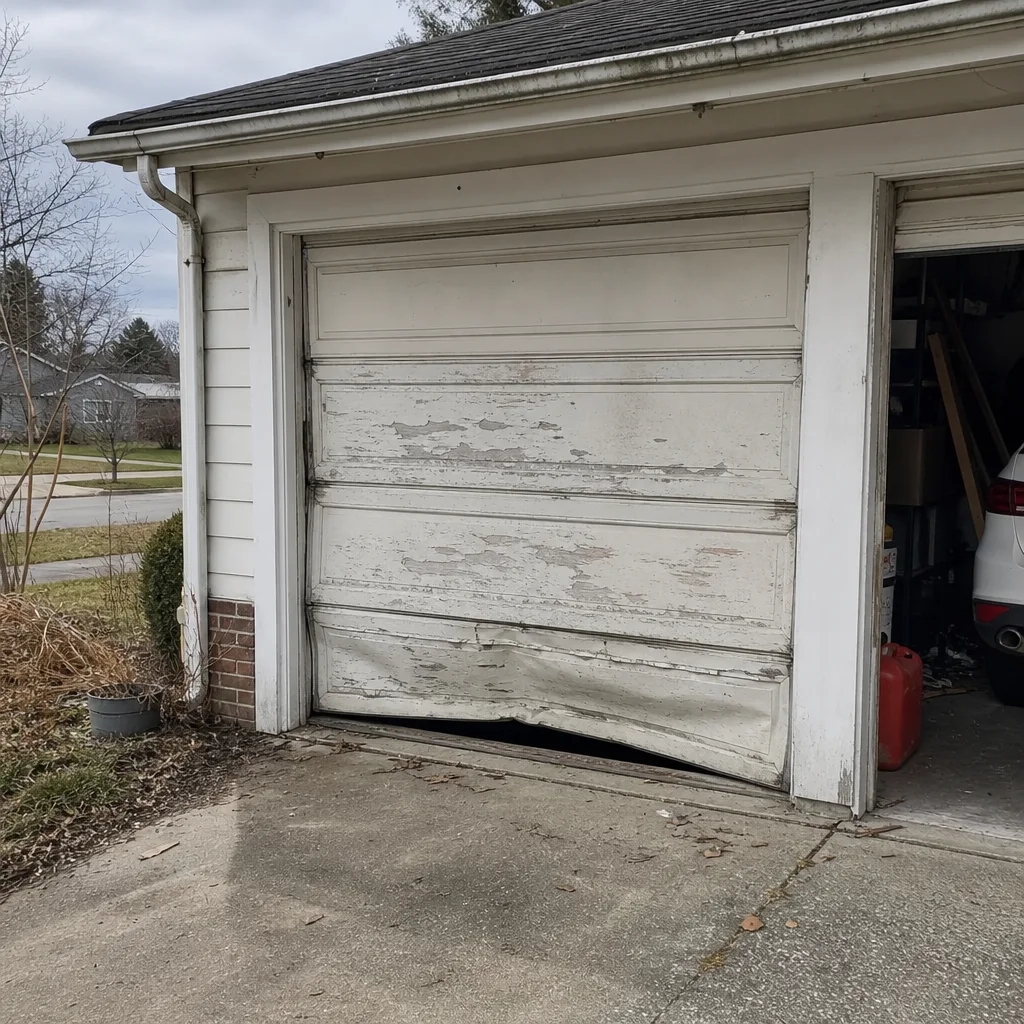 Before
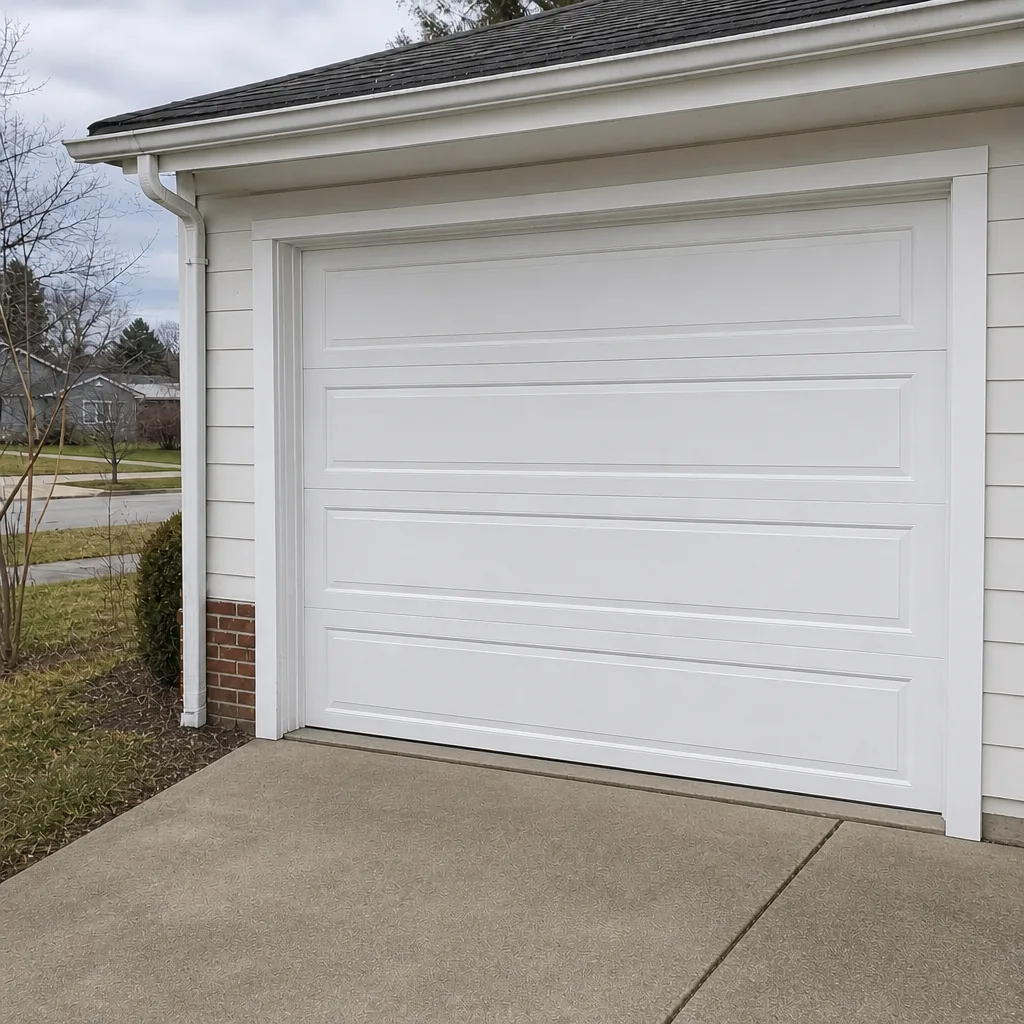 After
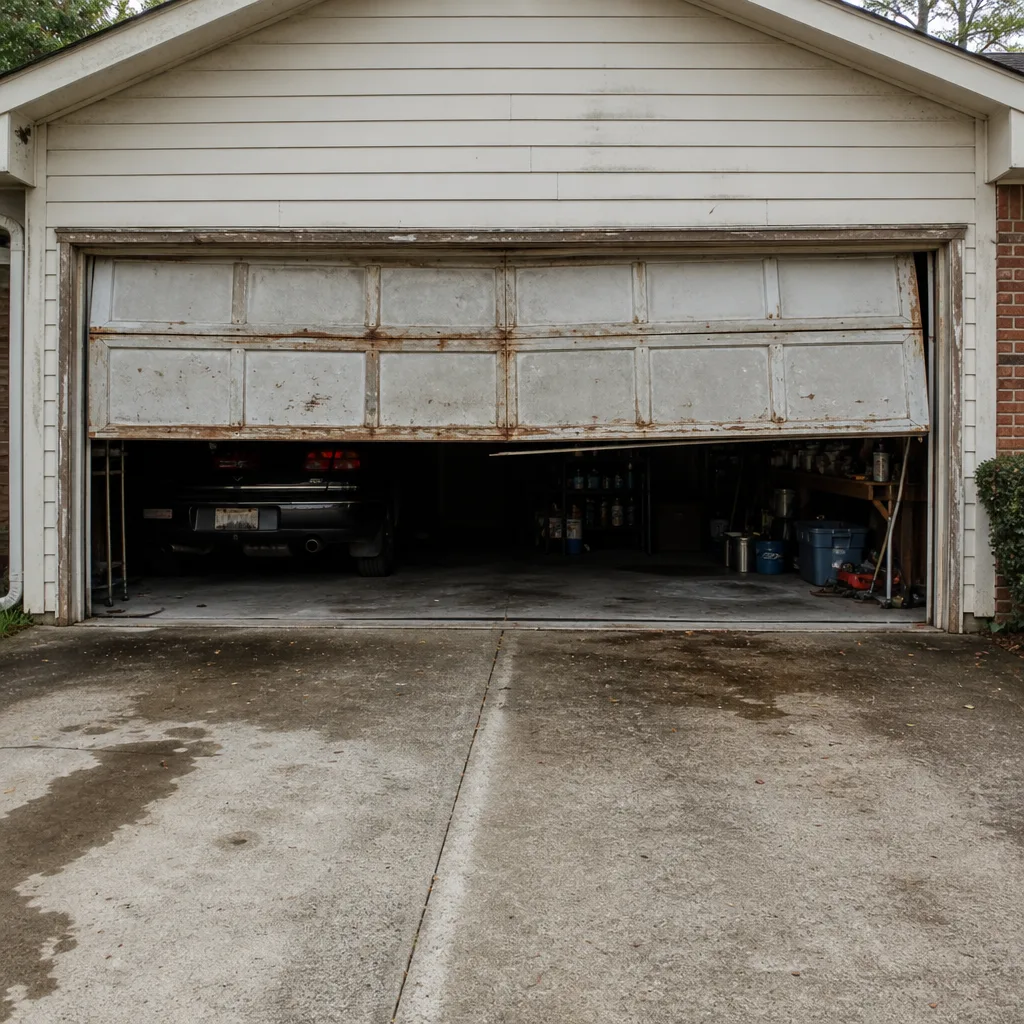 Before
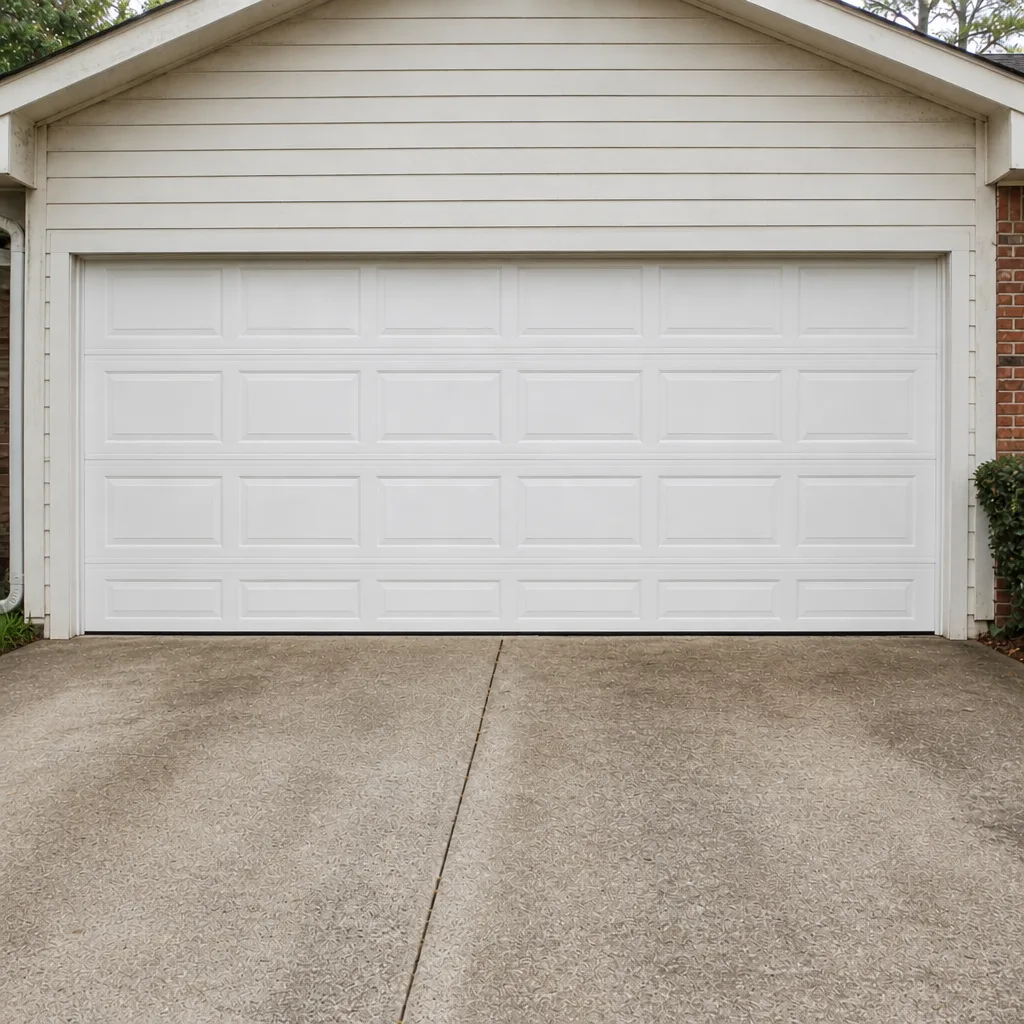 After
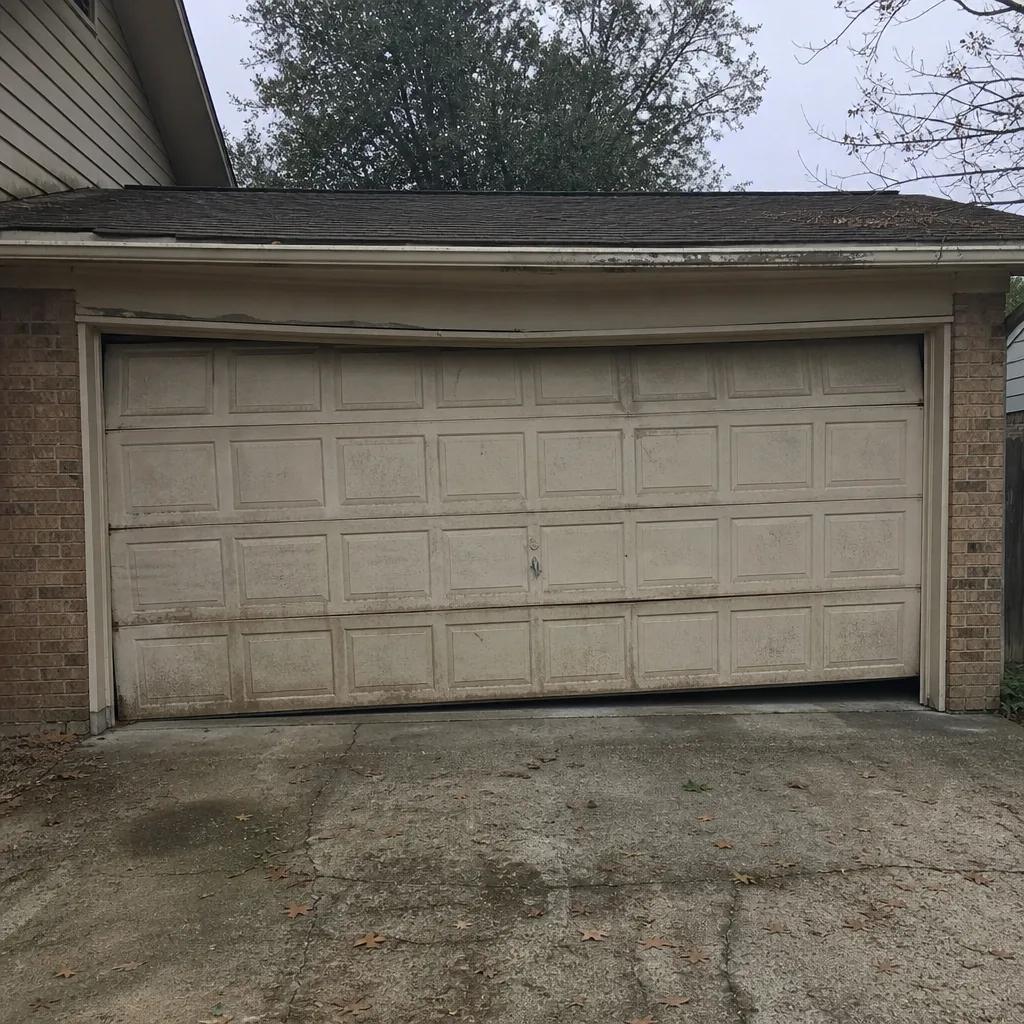 Before
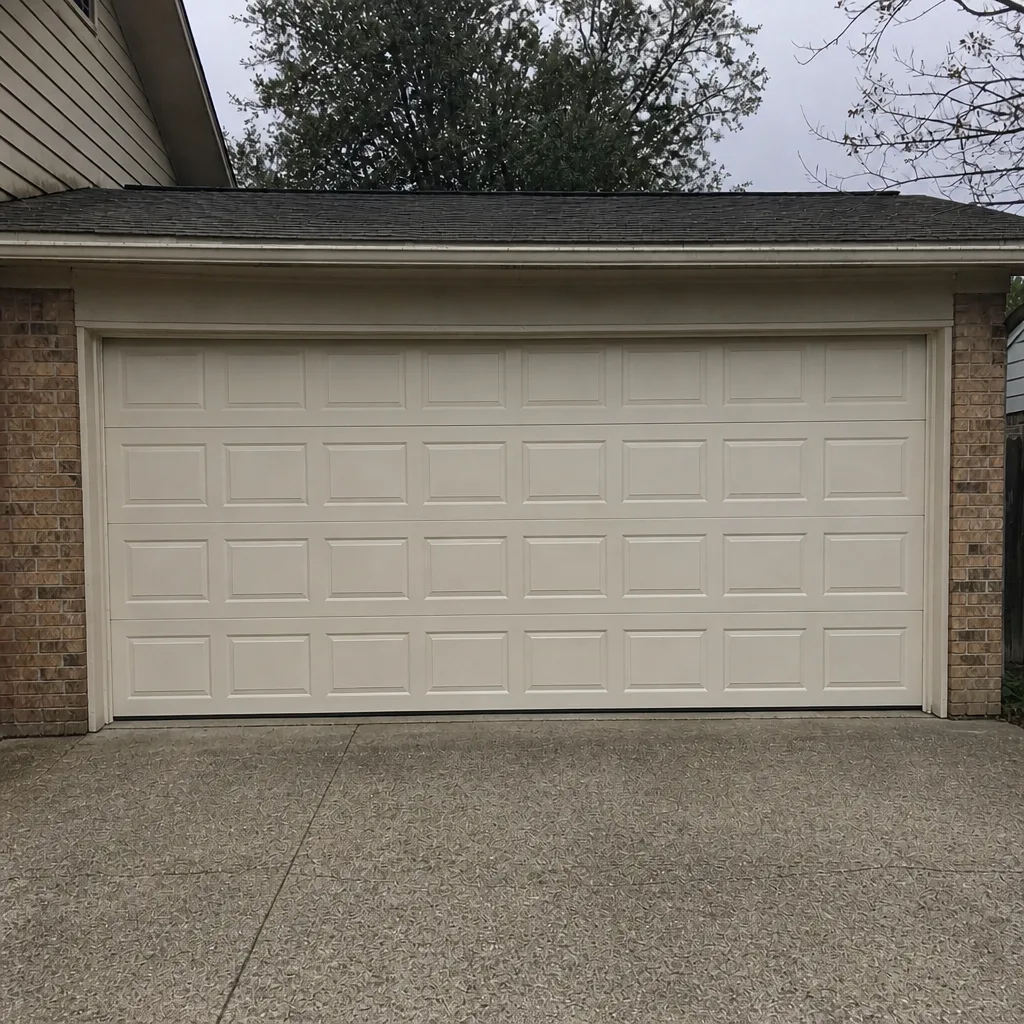 After
When to Call a Professional
Some problems are a quick fix on your own; others genuinely need a trained hand. Call a technician when a spring is visibly rusted, when a cable is loose or frayed, when a door has come off its track, when the opener reverses unpredictably or won’t respond, when a panel is dented or bent, or when you’ve run the balance test and the door drifts. Call immediately if you notice a grinding sound under the door, since that usually means a spring or roller has failed and the door is running on borrowed time.
For everything else, keep the routine going. Gable Garage Door Repair offers free estimates in Wilmington. Call (866) 961-8704. We work on LiftMaster, Chamberlain, Genie, Clopay, Amarr, Wayne Dalton, Craftsman, and Raynor systems specifically, so we know your door before we see it. We answer 24/7. Fast dispatch from 7am to 7pm, Sunday through Friday.
Frequently Asked Questions
Lubricate your hinges, roller stems, and torsion springs with silicone spray every two to three months, and monthly through the humid stretch from late spring through early fall. Lithium grease is the wrong product here because it collects grit in high humidity; silicone is the right choice. If your door starts making noise between lubrications, a light spray usually quiets it. Call (866) 961-8704 for an exact quote if you’d rather a technician handle it; estimates are free.
The safety test checks that the auto-reverse feature (photo-eye and force sensing) stops the door when it meets an obstruction; the balance test checks that the springs are carrying the door’s weight properly. Run the safety test before hurricane season and the balance test twice a year. Both are homeowner-safe and take under fifteen minutes. If either test fails and you can’t fix it with a simple lens cleaning or a new remote battery, book a service call.
No. Torsion springs are wound to high tension, and the tools used to wind and unwind them are specific to the trade. A slip can cause serious injury. If you see rust in the coil gaps or the balance test shows the door drifting, have a technician evaluate it. Call (866) 961-8704 for a free estimate. A single spring and a matched pair are different jobs; we’ll quote whichever your door needs.
Summer heat and high humidity do two things in Wilmington: they swell the wooden trim around the door frame, and they soften and stress the springs. A door that closes cleanly in April may close with more resistance in August because the frame is pressing against it. If your door hesitates or reverses in summer, don’t increase the opener’s force setting. Have the door and spring condition checked.
Our technicians are state-licensed and insured, and our technicians have up to 11 years of experience working on garage doors. Because we handle repair, opener repair, and installation in-house, one call covers the door, the opener, and everything in between. Call (866) 961-8704 for a free estimate on a specific job, and we’ll send a technician who knows your brand.
Stop using the door immediately and don’t try to force it back into the track. A door off its track is under uneven tension and can fall. If a spring or cable has also failed, the risk is higher. Call us and we’ll schedule a repair with a technician who can safely move the door. Call (866) 961-8704. We answer 24/7. Fast dispatch from 7am to 7pm, Sunday through Friday, and we’ll get the door secure before any other work begins.
The Bottom Line
A garage door in Wilmington lives in a harder environment than most maintenance guides assume. High humidity rusts hinges and roller stems faster, summer heat stresses the springs, and pollen clogs bottom seals in a few short weeks. The checklist here is built for those conditions: monthly visual checks, silicone-based lubrication instead of grease, a pre-season safety test, and seasonal seal inspection. Most of it takes fifteen minutes at a time. The spring, cable, and structural items go to a trained technician, always. If your door needs a hand, we’re here to help. Call Gable Garage Door Repair at (866) 961-8704 for a free estimate, and we’ll tell you honestly what your door needs before any work starts.
Written by the team at Gable Garage Door Repair.