
Last updated November 15, 2026
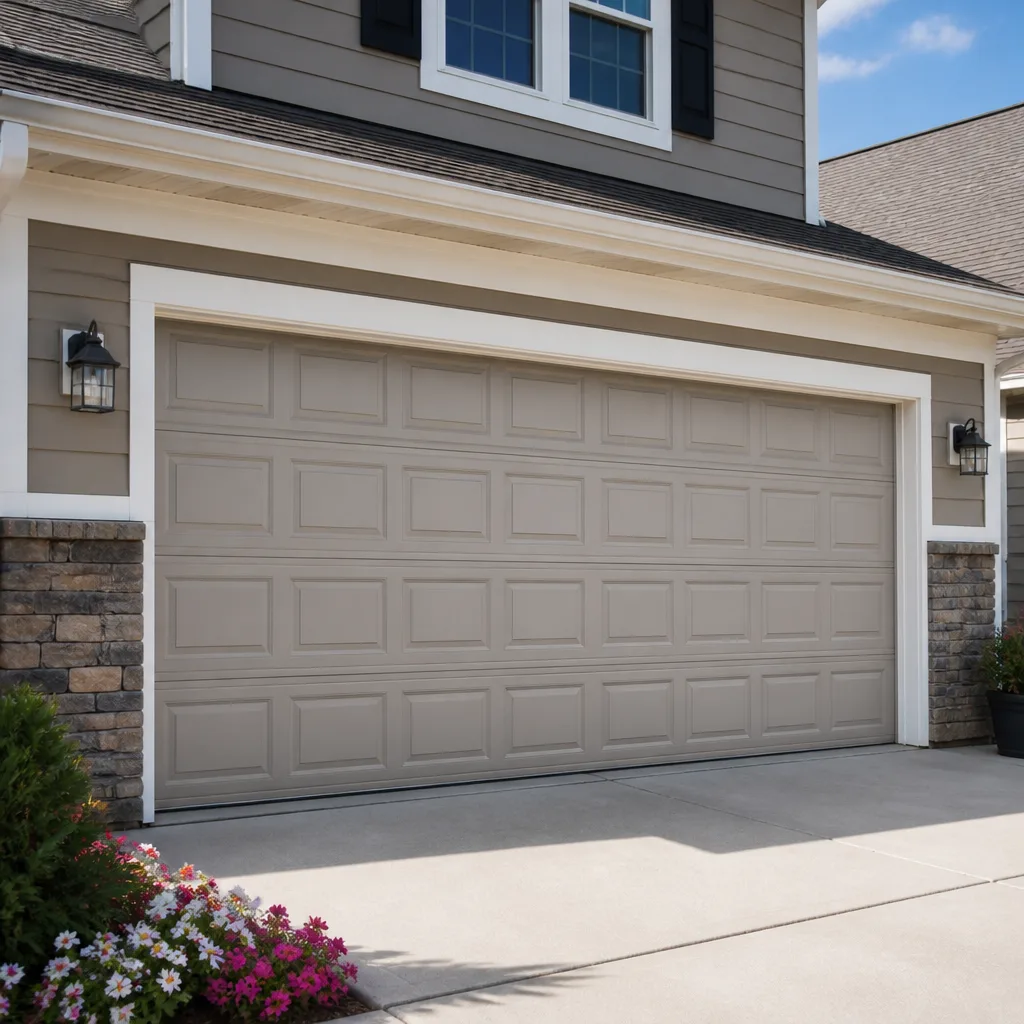 Raised-panel steel
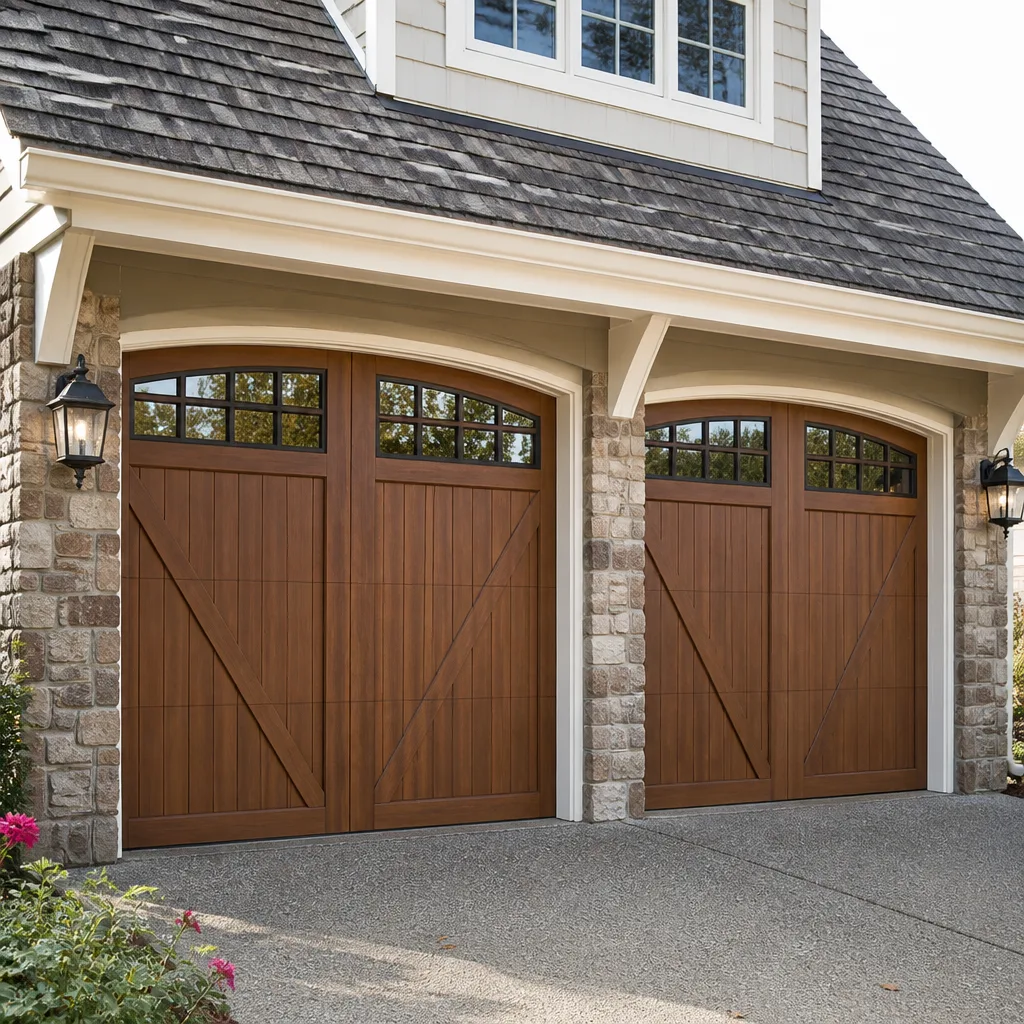 Carriage house
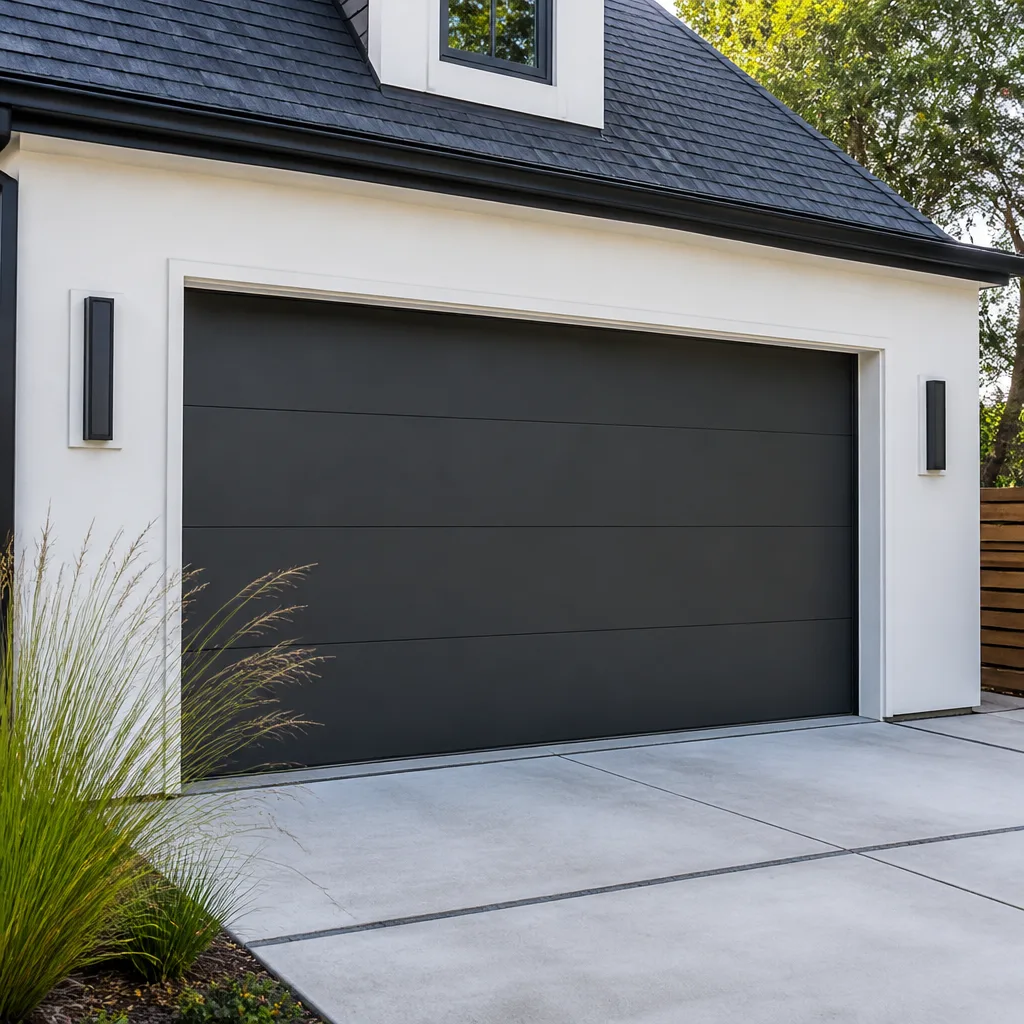 Modern flush
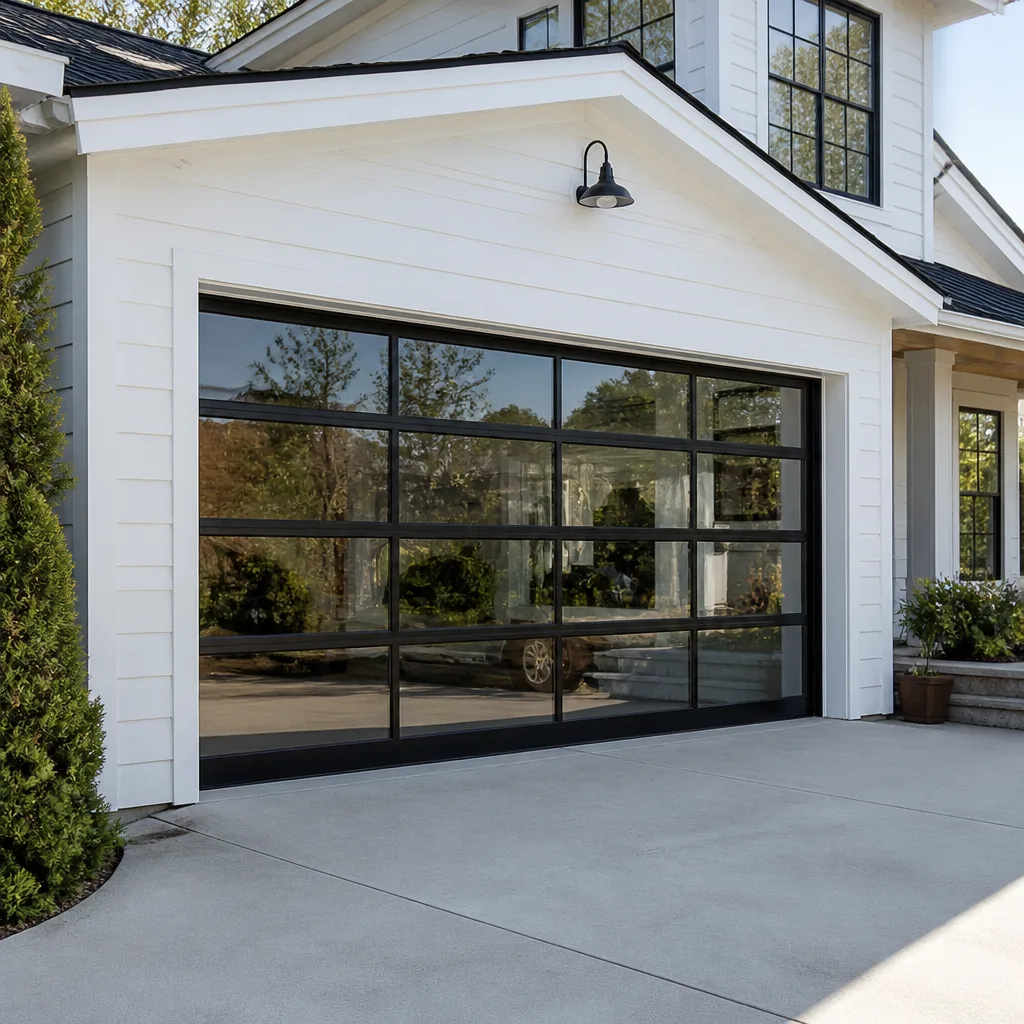 Full-view glass
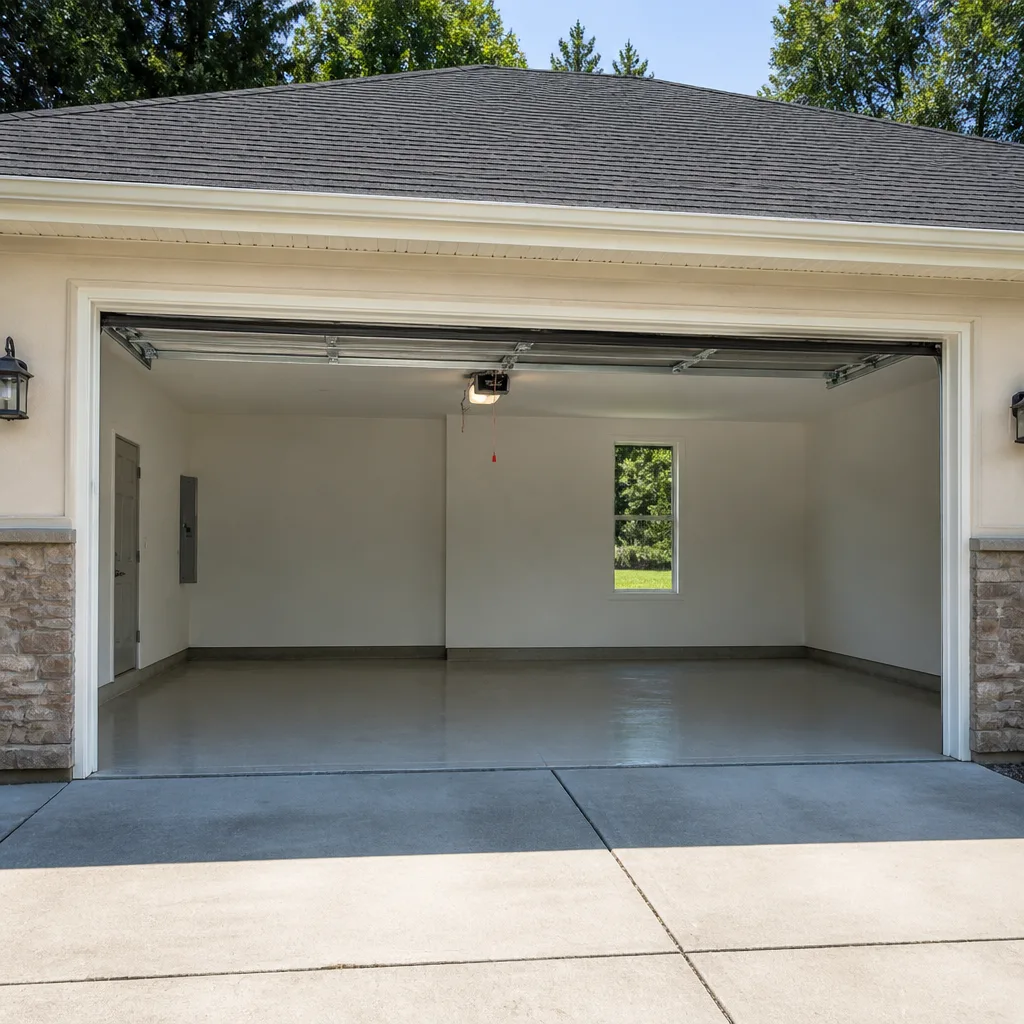 LiftMaster openers
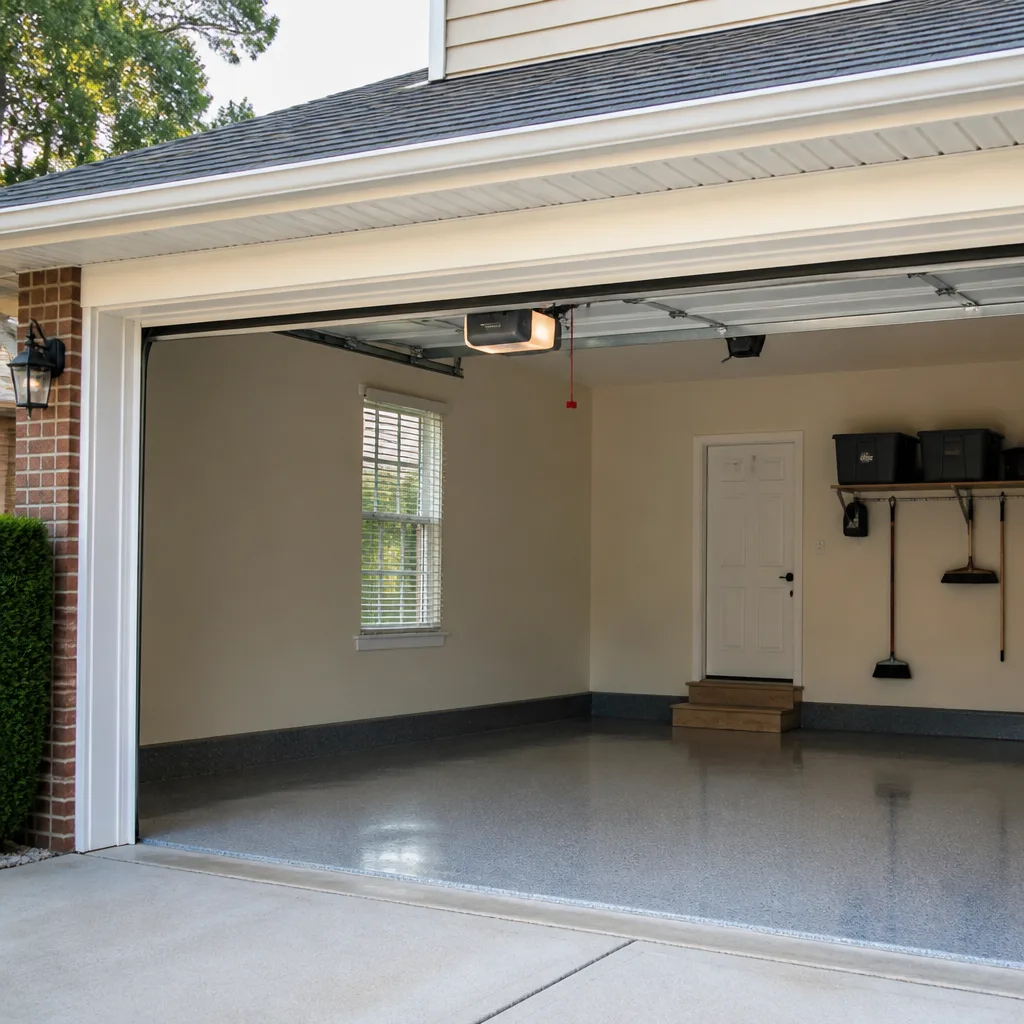 Chamberlain openers
Full 25-point door and opener safety check with every visit - springs, cables, rollers, tracks, and your LiftMaster or Chamberlain opener included
You get a price before we start. It does not change when the pro arrives.
Get your free estimateGarage Door Cost Breakdown: The Wilmington Homeowner’s Reference for 2026
The $799 garage door you see advertised online rarely becomes a $799 garage door in Wilmington. Once you add wind-load hardware, a licensed installer, and the bottom-seal upgrade most HOAs within a mile of the waterfront require, that number typically lands at $1,600 or more installed. The gap between the advertised price and the real one isn’t a scam. It’s a set of line items that national cost calculators ignore because they’re built for inland markets with different codes and different weather. In this guide we walk through every dollar in a Wilmington garage door project: material tiers, wind-rated upgrades, labor, the hidden fees homeowners miss, opener costs, and how to read an estimate so you can tell a legitimate quote from one that hides margin in a bundle.
Quick Answer
A typical installed garage door in Wilmington for 2026 runs about $1,200 to $2,400 for a standard single door and $1,800 to $4,500 for a double, depending on material and wind rating. Wind-rated (DP50+) doors add roughly $300 to $800 over a standard model of the same material, and labor for Wilmington-area installers typically runs $450 to $900 per door. The written estimate you receive after a free measure sets the final price.
Styles & brands we work with
- Raised-panel steel
- Carriage house
- Modern flush
- Full-view glass
- LiftMaster openers
- Chamberlain openers
Table of Contents
- Material Cost Tiers for 2026: Steel, Aluminum, Fiberglass, and Wood Composite
- What Wind-Rated (DP50+) Hardware Actually Costs, and Why It’s Not Optional
- Labor Rates in Wilmington: What Explains the High End and What’s Pure Padding
- The Hidden Line Items Homeowners Consistently Miss
- Opener Costs: Belt vs. Chain vs. Wall-Mount, Plus Battery Backup
- How to Use This Breakdown as a Quote-Audit Tool
- Repair or Replace? A Cost Framework
- Common Mistakes to Avoid
Material Cost Tiers for 2026: Steel, Aluminum, Fiberglass, and Wood Composite
Material choice is the single biggest driver of your installed cost, and it’s also where Wilmington-specific pricing separates from the national averages you’ll find online. Steel remains the default for most Wilmington homes because it’s the least expensive to produce and the easiest to reinforce with wind-load struts. Aluminum and fiberglass cost more upfront but resist humidity-driven rust better, which matters in a city that sees heavy summer rain and sustained humidity. Wood composite sits at the top of the price range and appeals most to homeowners in older neighborhoods who want a door that matches the era of the house.
Here’s how the 2026 material tiers break down for a standard single-car door (approximately 8×7 feet), with the wind-rated delta shown for comparison:
- Steel (24-gauge, non-insulated): roughly $700 to $1,100 for the door, or $1,000 to $1,600 with wind-rated hardware. The least expensive entry point, but prone to dents and less thermally efficient.
- Steel (insulated, two-layer): roughly $1,000 to $1,600 for the door, or $1,350 to $2,100 wind-rated. The best balance of cost, durability, and quiet operation for most Wilmington homes.
- Aluminum: roughly $1,400 to $2,200 for the door, or $1,750 to $2,700 wind-rated. Lighter than steel, won’t rust, and a good fit for homes with aluminum or vinyl siding.
- Fiberglass: roughly $1,600 to $2,400 for the door, or $1,950 to $2,900 wind-rated. Dent-resistant but can crack under impact and often requires more reinforcement for wind ratings.
- Wood composite: roughly $2,200 to $4,000 for the door, or $2,600 to $4,600 wind-rated. Looks the part in older neighborhoods but needs more maintenance in humid conditions.
For a double-car door (approximately 16×7 feet), expect to roughly double these figures, then account for the extra labor to lift and align a heavier panel. On a call for garage door repair in Wilmington, one of the most common things we hear from homeowners is that they compared an online quote for a Cleveland or Phoenix market against a local quote and assumed the local one was inflated. It usually isn’t. It’s priced for the code and the climate the door actually lives in.
What Wind-Rated (DP50+) Hardware Actually Costs, and Why It’s Not Optional
A wind-rated door is not a different door; it’s the same door with additional reinforcement hardware, heavier-gauge tracks, and a rating that says the assembly has been tested to withstand specific wind pressures. In Wilmington, most new construction and many replacement installations in the county require a design pressure rating (DP50 is a common baseline), and HOAs within a mile of the waterfront often push for higher ratings on top of that. That reinforcement is where the $300 to $800 delta comes from.
What you’re actually paying for in the wind-rated upgrade:
- Reinforcement struts: horizontal steel struts bolted across the panels to keep them from bowing under pressure. Typically $40 to $80 per strut, and a single door needs two to four.
- Heavier-gauge tracks and hinges: the standard tracks on a non-rated door won’t hold a reinforced panel in a wind event. Upgraded tracks and hinges add roughly $100 to $200.
- Center reinforcement bracket: a bracket at the top center of the door that ties the panels to the header. Usually $50 to $120 installed.
- Wind-rated glazing (if applicable): windows in a wind-rated door have to be rated too, adding roughly $80 to $250 depending on how many windows the door has.
- Engineering documentation: the manufacturer supplies the rating documentation your county or HOA will ask for. This is baked into the door price, but it’s why wind-rated doors cost more than the raw hardware suggests.
If a quote comes in unusually low for a Wilmington replacement, ask whether the door is rated to the DP50 baseline and whether the reinforcement hardware is included or billed separately. Some estimates show the base door and then add the reinforcement back in as a separate line, which can make the total look bigger than a competitor’s until you compare what’s actually in each. Permits and code enforcement in Wilmington are handled by the city’s building department, so if you’re unsure whether your project needs a permit or what rating applies, call them before you sign anything.
Labor Rates in Wilmington: What Explains the High End and What’s Pure Padding
Labor for a residential garage door installation in the Wilmington market typically runs $450 to $900 per door. That range is wider than most homeowners expect, and it’s worth understanding what pushes a quote toward the top and what pushes it toward the bottom.
What legitimately explains the high end:
- Old door removal and disposal: an older wood door can weigh several hundred pounds and take an hour or more to dismantle safely. That’s labor you’re paying for.
- Spring and opener re-tensioning: if the new door is heavier than the old one, the springs and opener limits have to be reset, which adds time.
- Low-headroom or odd-dimension openings: older Wilmington homes often have nonstandard opening heights or low-headroom garages that require special track and hardware configurations.
- Haul-away and disposal fees: responsible disposal of the old door, springs, and packaging is a real cost (more on this below).
- Licensed installer overhead: a licensed contractor carries insurance, pays for training, and is accountable for the work. That overhead is built into labor, not added on top as a surprise.
What is pure margin padding:
- “Shop supplies” or “miscellaneous” line items with no breakdown of what they cover.
- Bundled pricing where the labor, materials, and hardware are all rolled into one number with no itemization.
- Separately billing for items that should be included, like the safety sensors, the bottom seal, or the reinforcement struts on a wind-rated door.
Our technicians have up to 11 years of experience, and one of the things that experience teaches is that the difference between a $450 labor line and an $850 labor line is almost always in the details, not in the hourly rate. Ask for the breakdown. A legitimate contractor will give it. A contractor who won’t itemize is asking you to trust a number you can’t inspect.
The Hidden Line Items Homeowners Consistently Miss
The advertised price on a garage door is rarely the installed price, and the gap is usually in three or four line items that don’t appear in the showroom quote. In Wilmington, these are the ones we see homeowners surprised by most often.
- Haul-away fees ($75 to $150): the old door has to go somewhere. A steel door can be recycled, which keeps the cost lower; a wood composite door often has to be broken down and hauled to a landfill, which costs more. A quote that doesn’t mention haul-away may not include it.
- Old spring and hardware disposal ($20 to $60): torsion springs are under significant tension and shouldn’t just go in the trash. Proper disposal is a small line item but a real one.
- Bottom seal and threshold upgrade ($40 to $120): most HOAs within a mile of the waterfront require a bottom seal rated for wind-driven rain. Standard seals don’t qualify, so this is often an add-on after the door is chosen.
- Low-headroom conversion hardware ($150 to $400): older Wilmington homes with shallow garages sometimes can’t fit a standard torsion assembly. A low-headroom conversion kit uses different springs, drums, and tracks, and it isn’t part of a standard install price.
- Electrical or outlet work for the opener ($100 to $300): if the opener needs a new outlet in the ceiling, that’s an electrician’s job, not the door installer’s. Some quotes include it, many don’t.
- Paint or finish touch-up ($0 to $200): more relevant for wood composite doors, which often need finishing on-site after installation.
None of these are unreasonable charges. The problem is when they’re not disclosed until the install day. Ask every contractor to list every line item that could possibly apply to your specific opening before you sign, and confirm in writing that the total on the estimate is the total you’ll be billed. The written estimate sets the price.
Opener Costs: Belt vs. Chain vs. Wall-Mount, Plus Battery Backup
The opener is a separate purchase from the door, and it’s the part of the project homeowners most often under-budget. A new opener, installed, typically runs $400 to $900 depending on type and features, and in the Wilmington market there’s a battery-backup component that’s effectively non-optional: when the power goes out during a storm, a battery-backup opener keeps the door working. Without one, you’re pulling the manual release and lifting the door yourself, which is a lot harder on a wind-rated door than on a standard one.
Here’s how the opener types compare for 2026:
- Chain-drive ($400 to $650 installed): the least expensive and the most common. Louder than belt-drive, but reliable and simple to service. A good fit for a detached garage or one that isn’t under a bedroom.
- Belt-drive ($500 to $800 installed): quieter than chain, which matters in homes where the garage sits under or next to living space. A common upgrade for Wilmington homes where the master bedroom is above the garage.
- Wall-mount (jackshaft) ($650 to $1,000 installed): mounts on the side wall instead of the ceiling, which frees up overhead space and is the better choice for garages with low ceilings or storage above the door. Requires specific door and spring configurations.
- Battery backup ($150 to $350 added): a separate battery unit that keeps the opener running when power is out. In a storm-prone market, this is the line item homeowners most often skip and then regret.
- Smart features and Wi-Fi ($50 to $150 added): app control, voice assistant integration, and remote monitoring. Convenient, but not a cost driver you have to accept.
Brand matters here too. We work on LiftMaster and Chamberlain openers specifically, not just garage doors in general, and the cost of a repair or replacement depends heavily on which system is already installed. A Craftsman opener from the 1990s uses different parts and logic than a current LiftMaster, and diagnostic time is shorter when the technician recognizes the system on arrival. If you’re replacing an opener and a door at the same time, ask whether the opener price drops when bundled with the door install. It often does, but only if you ask. When an opener stops responding entirely, garage door opener repair is usually the faster and less expensive path than replacement, and a good technician can tell you which makes more sense within a few minutes of diagnosis.
How to Use This Breakdown as a Quote-Audit Tool
The whole point of a cost breakdown is to let you read an estimate critically instead of just comparing the bottom-line number. Two quotes that differ by $1,500 aren’t necessarily a $1,500 difference in value; often one quote includes the wind-rated hardware, the haul-away, and the battery-backup opener while the other prices those separately or leaves them out. Here’s how to compare estimates side by side:
- Check for a wind rating. Every Wilmington estimate for a new door should state the DP rating. If it doesn’t, ask. A quote without a rating isn’t a comparable quote.
- Look for a separate materials and labor line. Bundled pricing hides markup. A legitimate estimate shows the door model, the hardware, the labor, and the disposal as distinct lines.
- Confirm what’s included in the labor line. Old door removal, hang, spring tensioning, opener installation, and cleanup should all be listed or referenced. If cleanup isn’t mentioned, ask.
- Check the opener line against the door. A quote that prices the door but leaves the opener “TBD” isn’t a complete quote. Get both numbers before you decide.
- Verify the disposal line. Haul-away should be a line item, not an assumed extra billed at the end.
- Ask for the warranty in writing. Manufacturer warranty on the door and a separate labor warranty from the installer are different things. Both should appear on the estimate.
- Confirm the estimate is the price. The written estimate sets the final price. If a contractor won’t say that explicitly, that’s a reason to keep shopping.
Every quote you receive should be free to obtain, and the measure that produces it should be done in person or via precise measurements, not guessed from a photo. If you’re in Wilmington and want a second opinion on a quote you’ve already received, the Gable Garage Door Repair team can walk through it with you over the phone before you commit. One call covers the door, the opener, and everything in between.
Repair or Replace? A Cost Framework
Not every failing door needs a new one, and a cost breakdown is only useful if it helps you decide which path makes sense. The general rule of thumb is that a repair costing less than half the price of a replacement is usually worth doing, especially if the door is structurally sound and the failure is mechanical. A broken spring, a snapped cable, a bent track, or an opener that’s stopped responding are all repair jobs. A door with cracked panels, a rotting wood frame, or a track system that’s been bent and rebent several times is usually a replacement candidate.
For Wilmington specifically, two factors shift the math. First, older doors that predate current wind-rating requirements are often not worth reinforcing panel-by-panel when the total approaches the cost of a new rated door. Second, humidity takes a toll on wood and on the seals and hardware of older doors, so a door that’s mechanically fine but visibly deteriorating may be a replacement candidate sooner than the same door would be in a drier market. A technician can tell you honestly which makes more sense for your door after a look at it: repair, replace the panels, or replace the door and hardware as a unit. If you’re not sure which path applies to you, the Wilmington guide to your options is a good place to start.
Common Mistakes to Avoid
- Comparing a national online price to a local installed quote. National calculators don’t account for DP50 hardware, HOA bottom-seal requirements, or Wilmington labor rates. Use them for ballpark figures only, never for a buying decision.
- Skipping the wind-rating question. A quote that doesn’t state a DP rating isn’t comparable to one that does. Ask for it in writing on every estimate you receive.
- Skipping battery backup on a new opener. In a storm-prone market, the added cost of a battery-backup unit is small compared to the inconvenience of a door you can’t open when the power is out.
- Letting the contractor bundle the whole job into one line. Bundled pricing is where markup hides. Insist on an itemized estimate with materials, labor, disposal, and hardware listed separately.
- Assuming haul-away is included. If it’s not on the estimate, it may show up on the final invoice. Ask before you sign.
- Choosing a wood composite door in a humid market without asking about maintenance. Wood composite looks great and costs the most. In Wilmington’s humidity it needs more upkeep than steel or aluminum, and that’s a recurring cost, not a one-time one.
- Signing a quote that doesn’t state the total as final. The written estimate sets the price. If the quote says “starting at” or leaves room for “additional charges as needed,” it’s not an estimate, it’s a placeholder.
See the difference
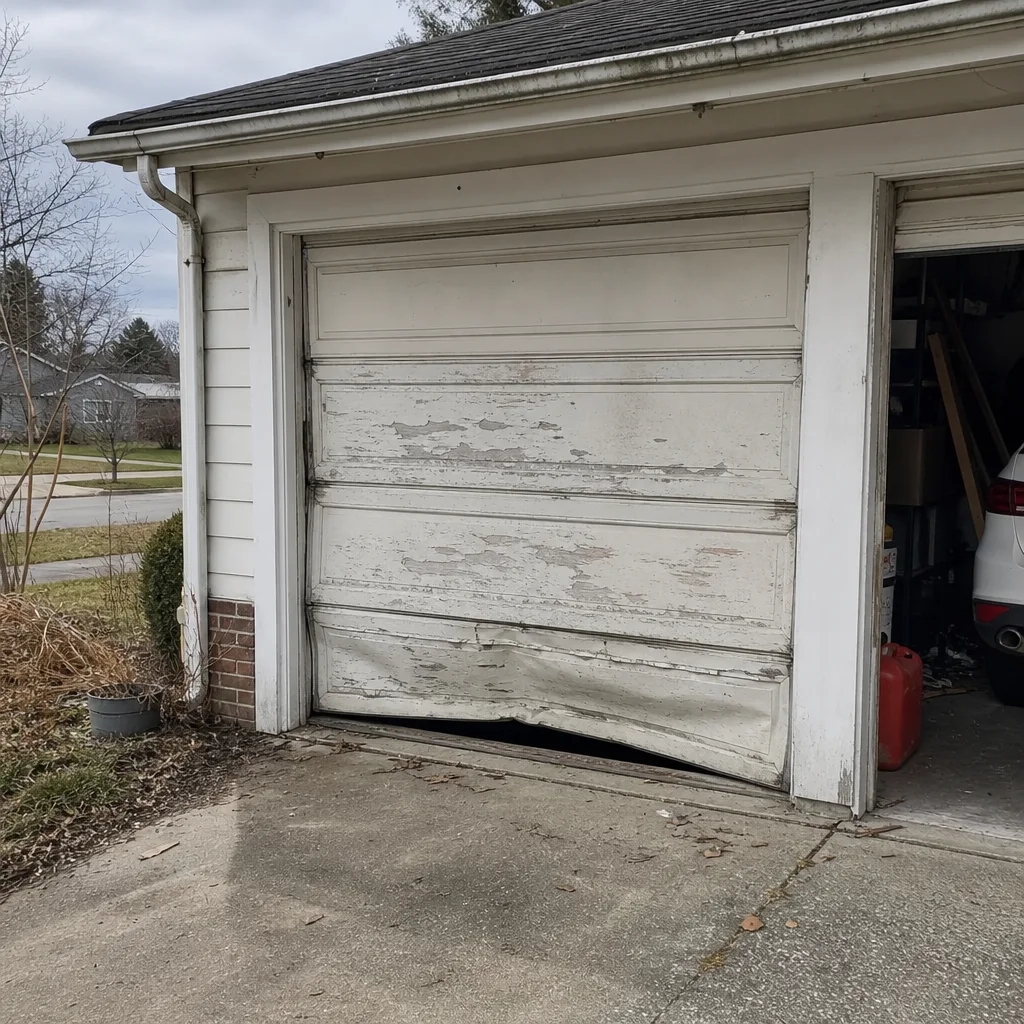 Before
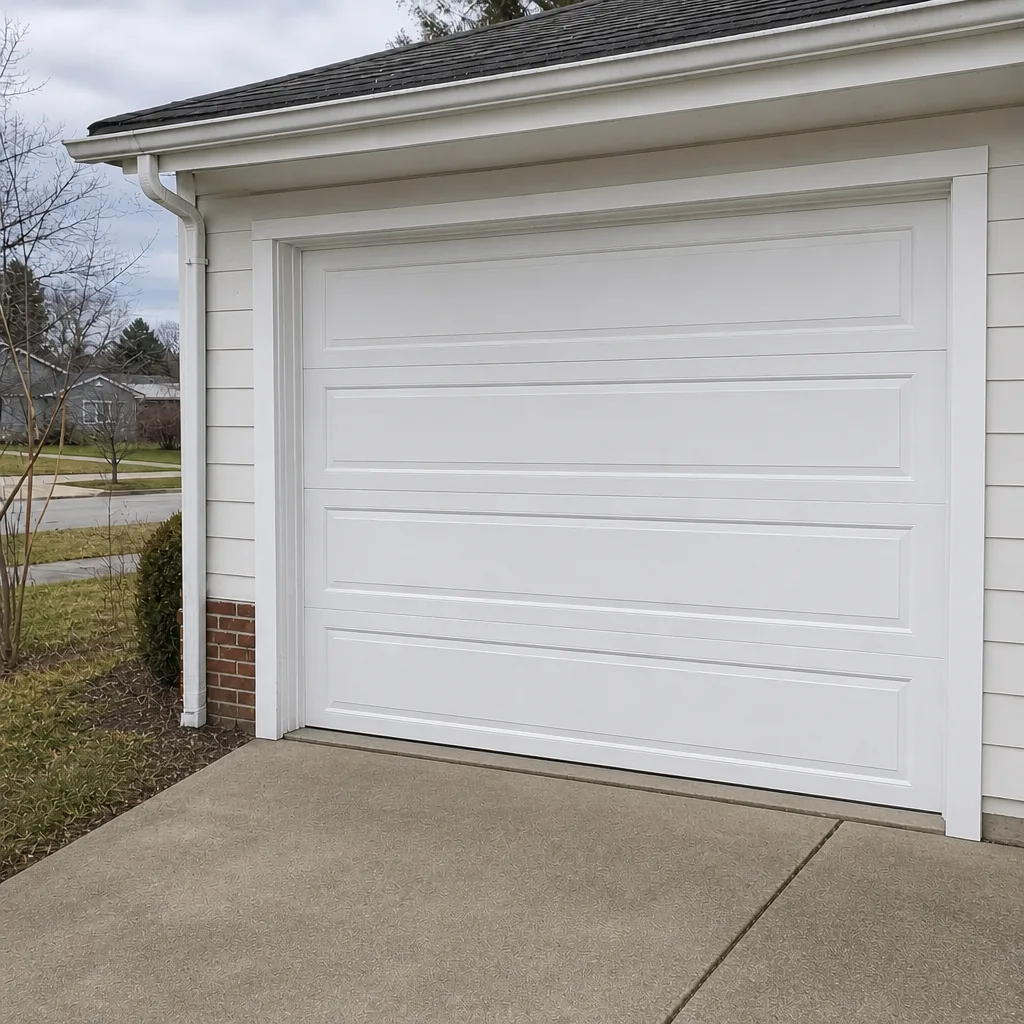 After
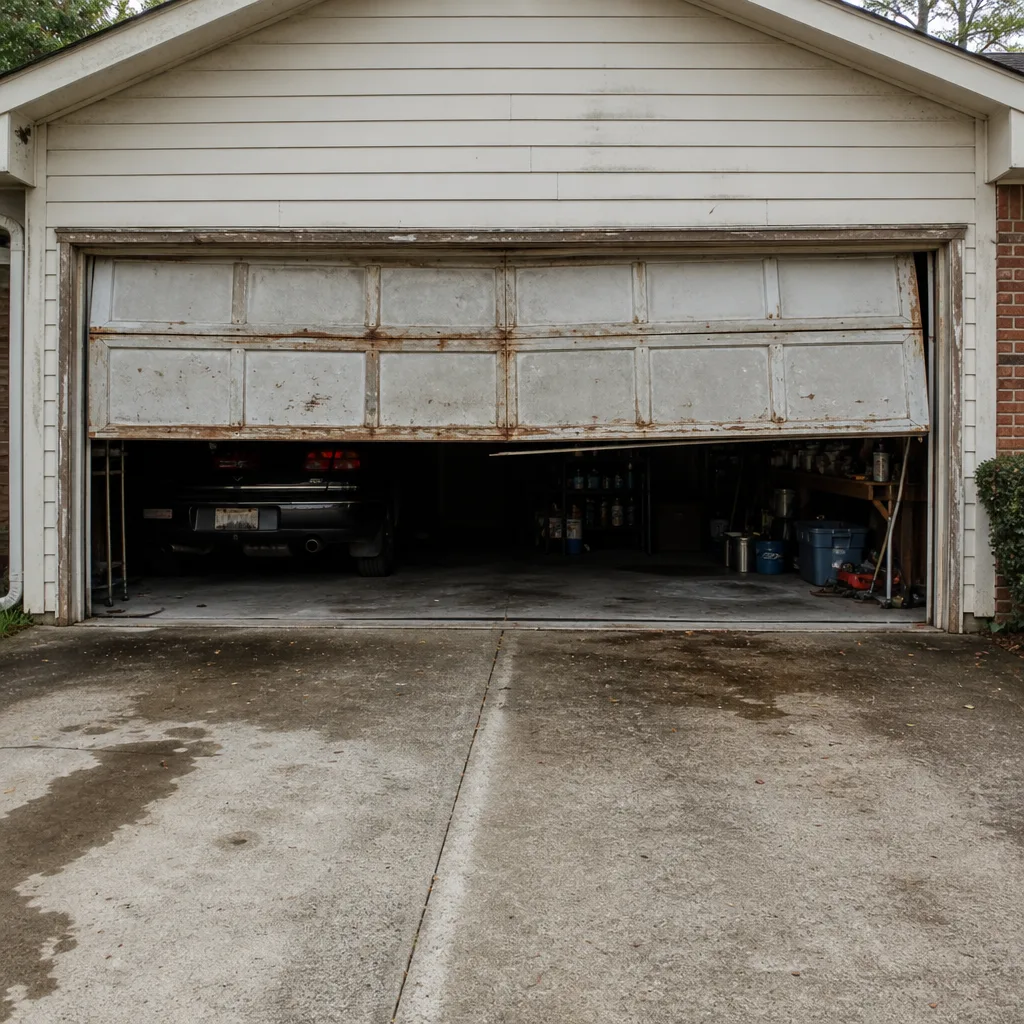 Before
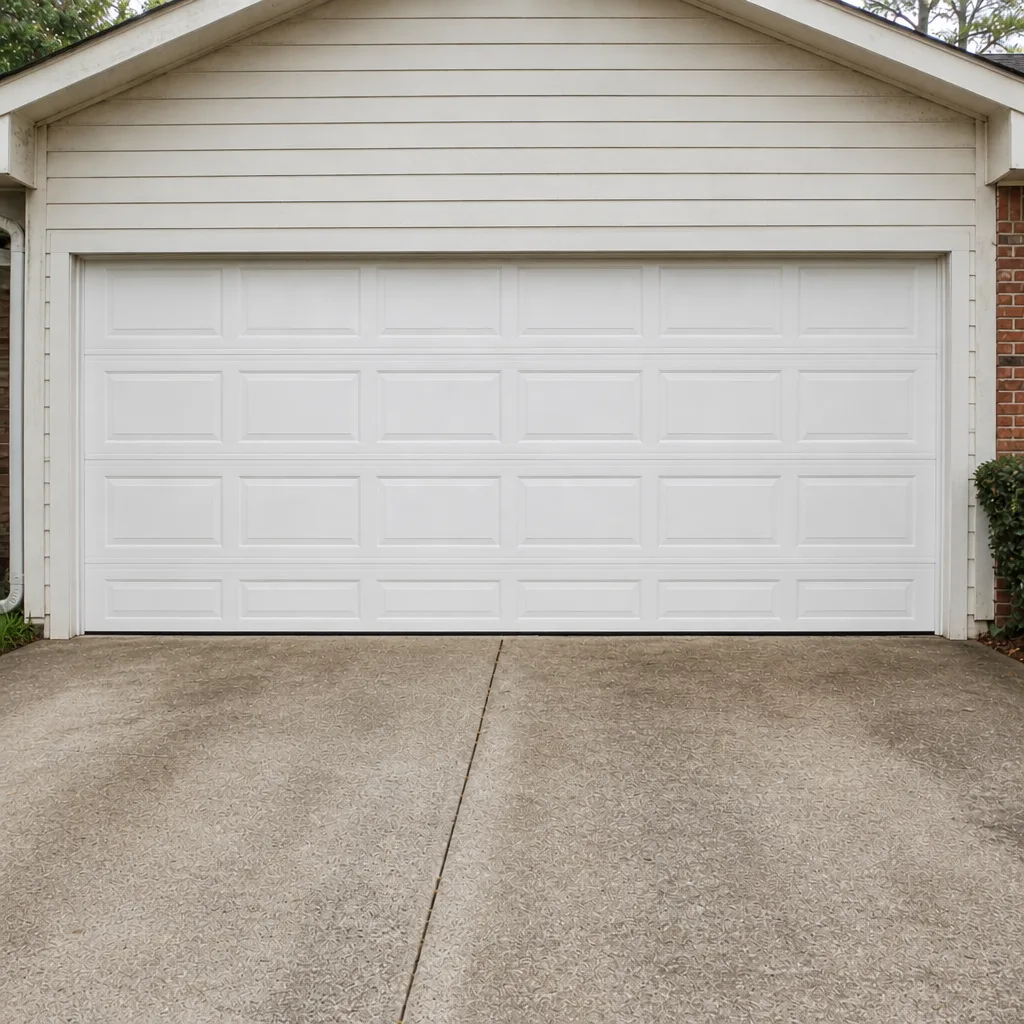 After
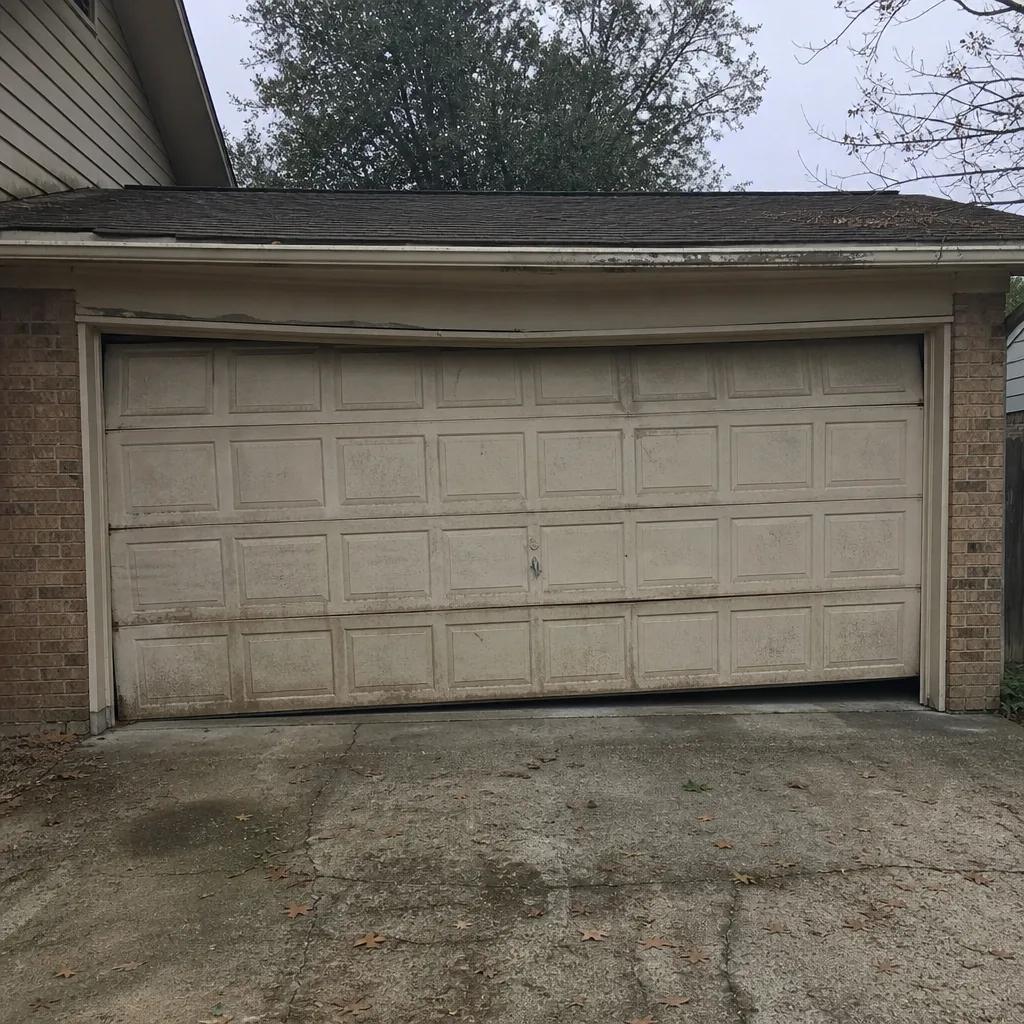 Before
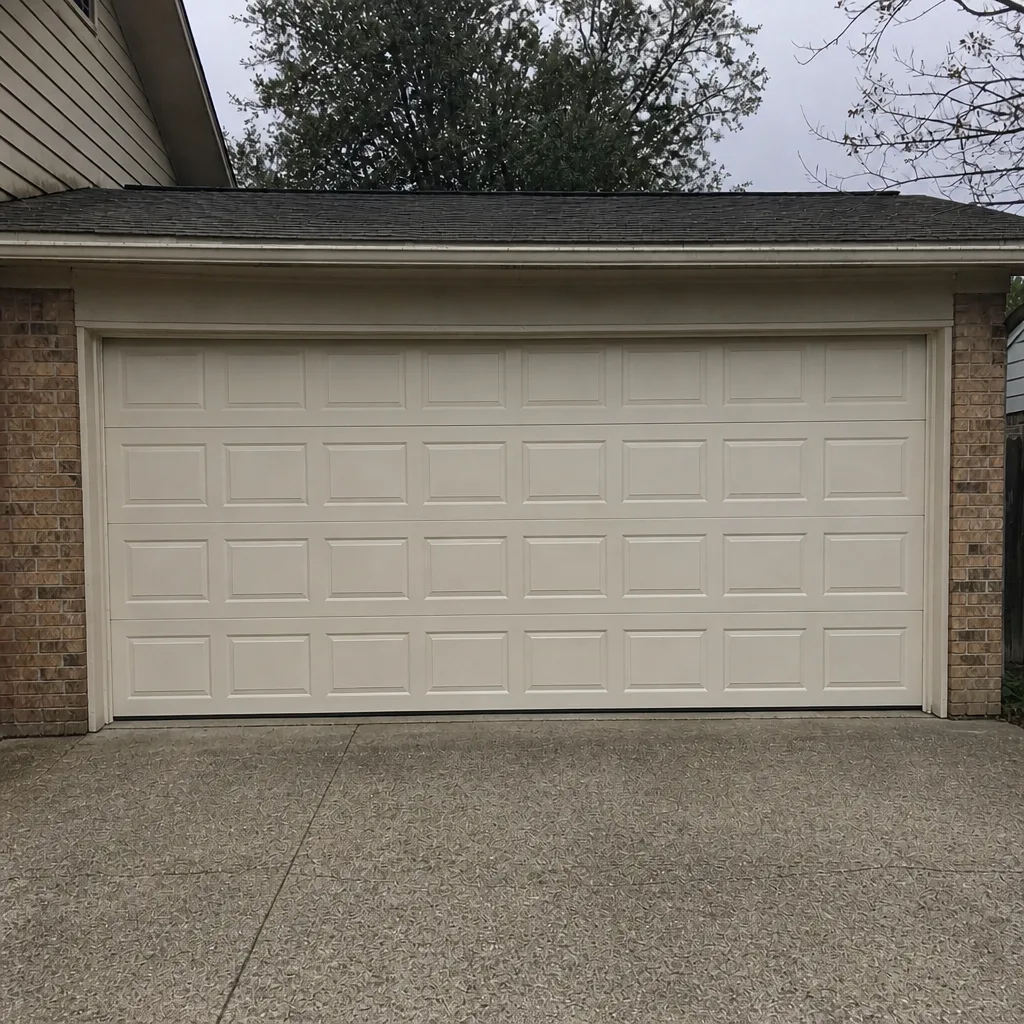 After
When to Call a Professional
Some garage door work is a genuine safety risk to attempt yourself. Torsion springs and the cables attached to them are under extreme tension, and a spring that lets go while you’re working on it can cause serious injury. The same goes for track work on a door that’s under load, and for diagnosing an opener that’s tied into the home’s electrical system. If your door is off its tracks, if a spring has visibly snapped, if the door is unbalanced enough that it won’t stay up on its own, or if the opener is making grinding or popping sounds, call a trained technician rather than trying to work it out. Electrical and spring work on a garage door should always be handled by someone trained for it.
Gable Garage Door Repair offers free estimates in Wilmington – call (866) 961-8704. We work on LiftMaster, Chamberlain, Genie, Clopay, Amarr, Wayne Dalton, Craftsman, and Raynor systems, which covers the vast majority of doors and openers in residential homes here. We answer 24/7. Fast dispatch from 7am to 7pm, Sunday through Friday.
Frequently Asked Questions
A new single-car garage door with installation in Wilmington typically runs $1,200 to $2,400 for a standard model, or $1,500 to $3,200 with wind-rated hardware, while a double-car door runs $1,800 to $4,500. The range depends on material, wind rating, and whether haul-away and opener are included. Call (866) 961-8704 for an exact quote – estimates are free.
Most new construction and many replacement installations in the Wilmington area require a design pressure rating, with DP50 as a common baseline, and many HOAs within a mile of the waterfront require a higher rating on top of that. Whether your specific project requires it depends on your location, your HOA, and the scope of the work, so confirm with the city’s building department before you order a door. Call (866) 961-8704 if you want help reading the requirements on your quote.
No. The written estimate sets the final price, and the number on your estimate is the number you’ll be billed for the scope described. If something unexpected is found on the install day that wasn’t visible during the measure, the technician stops and discusses the change with you before doing any additional work. Call (866) 961-8704 to schedule a free measure and written price.
Most garage door repairs in Wilmington run about $150 to $450 depending on the part and the door type, with a broken spring being the most common call and a bent track or snapped cable the next most common. The exact cost depends on the door and opener brand and the parts involved. Call (866) 961-8704 for an exact quote – estimates are free.
We offer same-day service for repair calls, and we dispatch Sunday through Friday from 7am to 7pm. A stuck door is a repair call and usually a priority one. Call (866) 961-8704. We answer 24/7. A call outside dispatch hours is booked into the next opening, Sunday through Friday, 7am to 7pm.
Yes. The independent local professionals we connect you with are state-licensed and insured. We work specifically on LiftMaster, Chamberlain, Genie, Clopay, Amarr, Wayne Dalton, Craftsman, and Raynor systems, so the technician who arrives recognizes your door and opener rather than applying guesswork. Call (866) 961-8704 for a free estimate.
The Bottom Line
Wilmington garage door pricing is higher than the national average for reasons that are specific to this market: wind-rated reinforcement hardware, port-city shipping, HOA bottom-seal requirements, and a labor rate that reflects licensed installers working in a code-driven county. A realistic installed budget for 2026 is $1,200 to $2,400 for a single door and $1,800 to $4,500 for a double, with repair calls typically landing between $150 and $450. The way to control cost isn’t to chase the lowest headline number; it’s to get an itemized, written estimate you can compare line by line, confirm what’s included before you sign, and treat the written estimate as the final price. That single habit eliminates most of the surprises in this guide.
Gable Garage Door Repair handles repair, opener repair, and installation across Wilmington. Whether it’s a broken spring or a Chamberlain opener that won’t respond, we diagnose by brand, not by guesswork. Call (866) 961-8704 for a free estimate. We answer 24/7. Fast dispatch from 7am to 7pm, Sunday through Friday.
Written by the team at Gable Garage Door Repair.