
Last updated November 15, 2026
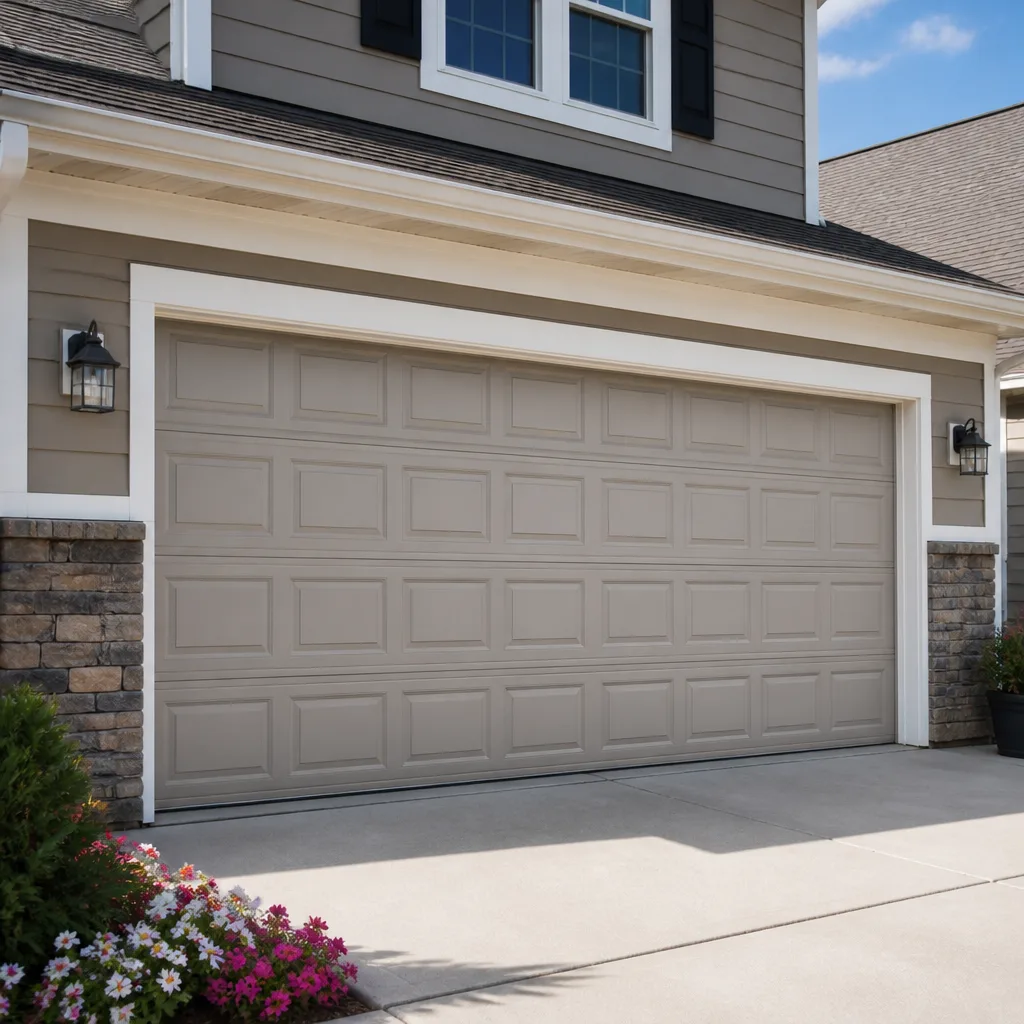 Raised-panel steel
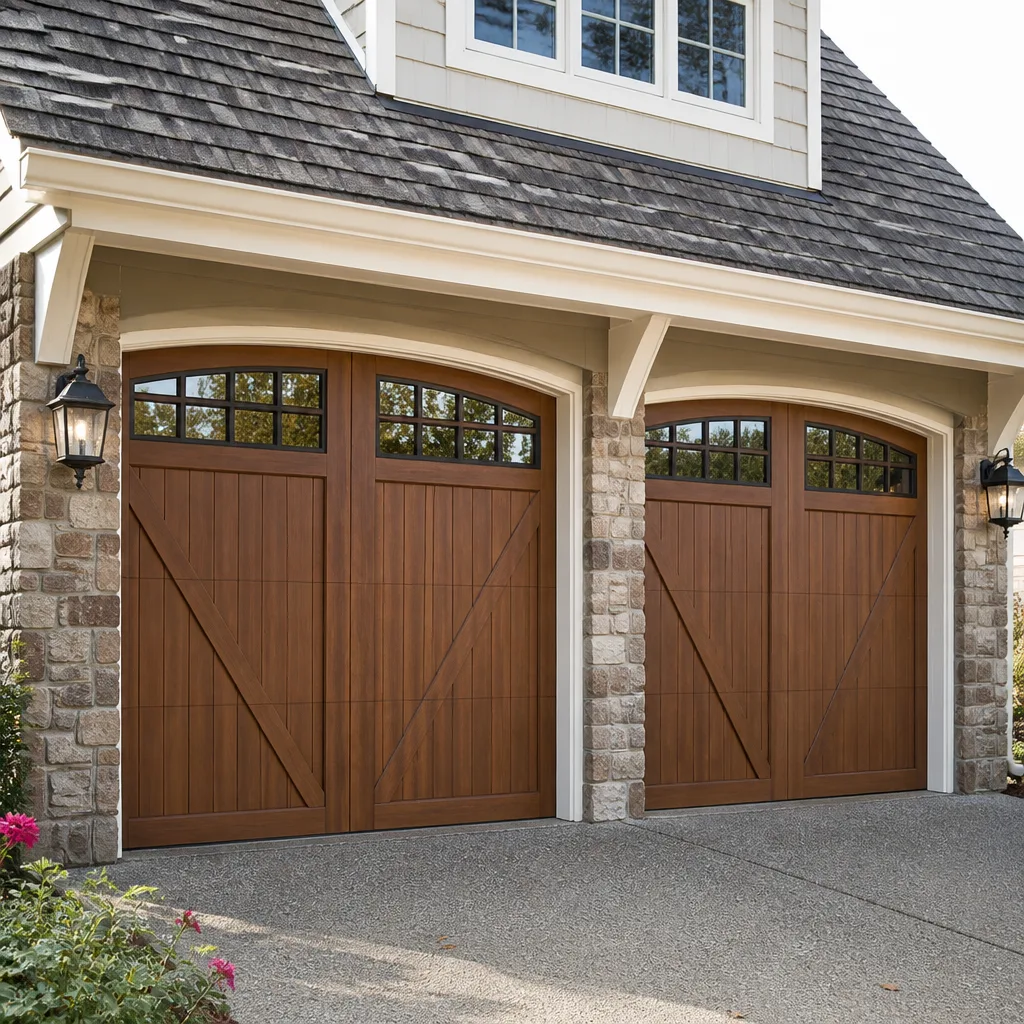 Carriage house
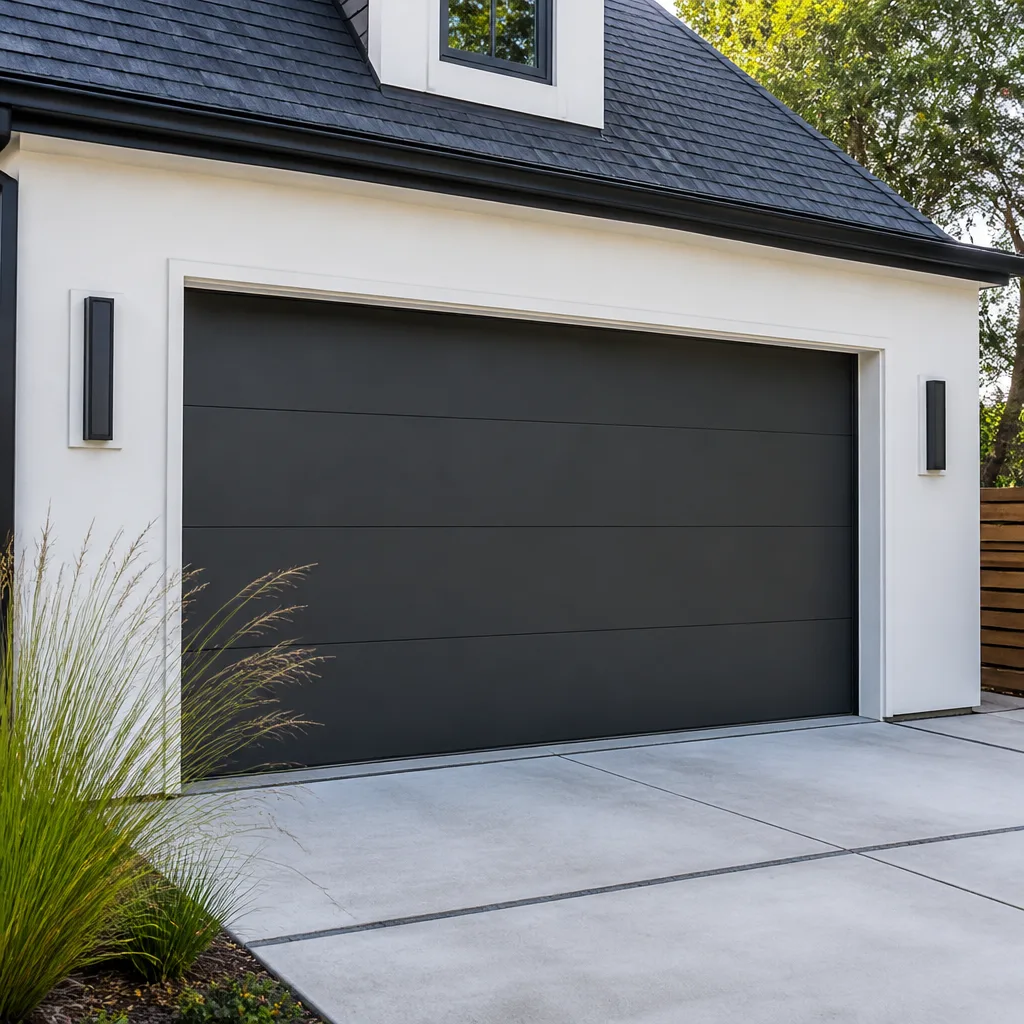 Modern flush
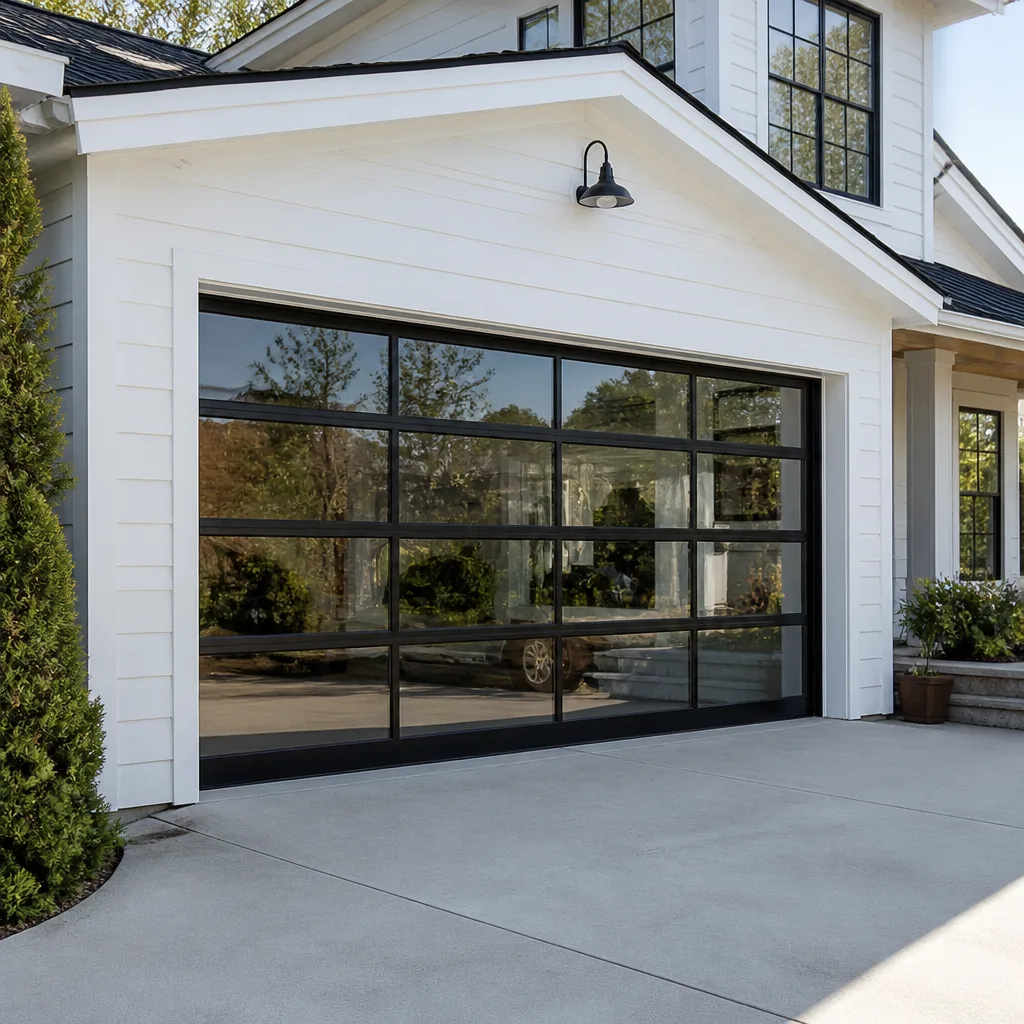 Full-view glass
 LiftMaster openers
 Chamberlain openers
Full 25-point door and opener safety check with every visit - springs, cables, rollers, tracks, and your LiftMaster or Chamberlain opener included
You get a price before we start. It does not change when the pro arrives.
Get your free estimateGarage Door Emergency Preparedness Guide for Wilmington Homes
Most Wilmington homeowners prepare for hurricane season by stocking water, testing the generator, and trimming the oaks. The garage door rarely makes the list. That’s the mistake. When a named storm knocks out power across New Hanover County, the garage door becomes the one entry you can’t open by hand if the manual release has seized, the one big opening a wind event tests first, and the one system nobody checked in April. This guide walks through what to test before storm season, how to lock down and inspect your door when the power is out, and how to tell storm-rated doors from standard ones. By the end you’ll know exactly what to check on your Wilmington garage door and when to call a technician.
Quick Answer
To prepare your Wilmington garage door for a storm, test the manual release cord now, confirm whether your opener has a battery backup that actually holds through a long outage, and know the order for inspecting panels, tracks, springs, and the opener after the storm passes. A standard door and a wind-rated door fail differently in high wind, and the manual release is the part most homeowners discover is stuck only when they need it. Test all three before hurricane season, not during it.
Styles & brands we work with
- Raised-panel steel
- Carriage house
- Modern flush
- Full-view glass
- LiftMaster openers
- Chamberlain openers
Table of Contents
- How to Test Your Manual Release Before Storm Season
- Battery Backup Openers: Which Ones Hold Through a 72-Hour Outage
- Pre-Storm Lock-Down: Locking Your Door From Inside Without Power
- Post-Storm Damage Assessment: The Right Order to Check
- Storm-Rated vs. Standard Doors in a Wilmington Wind Event
- Brand-Specific Quirks That Show Up After a Storm
- What Belongs in a Garage Door Storm Kit
How to Test Your Manual Release Before Storm Season
The manual release is the red cord hanging from the trolley on your opener rail. Pulling it disengages the door from the opener so you can lift it by hand when the power is out. It’s the single most important piece of storm prep on your garage door, and it’s the piece nobody tests until the lights go out. In our experience, a release that hasn’t been pulled in a few years can feel stiff, gritty, or completely frozen when you finally reach for it.
What a functioning release feels like
When you pull the cord on a healthy door, the trolley disengages with a clean click and the door lifts by hand along the tracks. The pull is short and firm. The door should move smoothly once you get it started, with steady resistance from the springs doing most of the work.
What a seized release feels like
A release that won’t disengage usually gives you one of these signals:
- The cord pulls but the trolley stays locked to the rail, and the door won’t budge by hand.
- The cord feels gritty or grinds when you pull it, a sign the release mechanism has stiffened up.
- The cord pulls freely with no resistance at all, which can mean the release arm has come loose from the trolley.
- The door lifts an inch and jams, often because the trolley is stuck or the tracks have debris in them.
Wilmington’s humidity is hard on the small metal parts inside a trolley, and a release that sat untouched through a wet summer can stiffen by fall. Test it in spring and again before storm season. Pull it, disengage the door, lift it by hand a foot or so, then re-engage and cycle the opener to confirm it reconnected. If the release won’t disengage cleanly, that’s a repair, not a workaround. Call us at (866) 961-8704 and we’ll look at the trolley and rail assembly before the next storm.
One safety note: never pull the manual release while the door is open and the springs are under tension if you’re not sure how the door will behave. A door that drops when the opener disengages is a spring problem, and that’s a trained-professional job. Our garage door repair team handles release, trolley, and spring issues together so the door opens by hand the way it should.
Battery Backup Openers: Which Ones Hold Through a 72-Hour Outage
A battery backup opener keeps your door working when the grid goes down, but not all backups are built the same. The short answer: a backup rated for a long outage will cycle your door dozens of times on a fresh charge, while a light-duty backup may give you a handful of cycles before it quits. The difference matters in Wilmington, where an outage after a storm can run for days.
What to look for in a backup unit
- Stated cycle count: Manufacturers publish how many open/close cycles a backup battery delivers on a full charge. Check that number against how often you actually use the door during an outage.
- Battery chemistry: Sealed lead-acid backups are common and work well for short outages. Lithium backups tend to hold a charge longer and are less affected by sitting idle in a hot garage.
- Charge maintenance: A backup that trickle-charges while the power is on will be ready when you need it. One that doesn’t self-maintain can be flat by the time a storm hits.
- Age of the battery: Backup batteries degrade. A unit that’s several years old may not hold through a long outage even if it worked the last time.
LiftMaster and Chamberlain both make openers with battery backup, and their backup models are the ones we see most often in Wilmington garages. When we service a garage door opener repair call before storm season, we check the backup battery’s health along with the opener itself, so you’re not counting on a battery that’s already weak. If your opener has no backup at all, an upgrade before storm season is worth considering, and we can walk you through which models hold a charge through a multi-day outage and which ones don’t.
Testing your backup before storm season
- Unplug the opener from the wall (or trip the breaker) to simulate a power loss.
- Press the wall control or remote and watch the door cycle.
- Run it through several open/close cycles and note how it behaves as the battery drains.
- Plug the opener back in and let the battery recharge fully before the next test.
If the door slows or stops well short of the cycles your model should deliver, the battery is the likely culprit. Replacing it is cheaper than replacing the opener.
Pre-Storm Lock-Down: Locking Your Door From Inside Without Power
Most automatic garage door locks only engage when the opener has power. When the grid goes down, that lock is dead, and your door is held shut by the opener’s gear and the door’s own weight. That’s usually enough to keep the door from drifting open on its own, but it’s not a lock in the sense a storm or a security concern calls for.
How to manually lock a door from inside
The reliable manual method is a slide bolt or a locking bar that engages the door’s track from inside the garage. Here’s the general approach:
- Close the door fully and confirm it’s seated against the floor.
- With the power off, disengage the opener using the manual release so the door isn’t fighting the opener’s gear.
- Install or engage a slide bolt through the track on each side, or a locking bar across the door’s interior face, so the door can’t be lifted from outside.
- Test it by pulling up on the door’s handle from inside to confirm the bolt or bar holds.
If you don’t have a manual lock installed, this is the time to add one. A slide bolt is a small job and worth doing well before storm season. If you’re not sure how your door’s locking hardware works or whether it can be engaged manually, call us at (866) 961-8704 and we’ll talk you through it. It’s the kind of thing that’s much easier to sort out in calm weather than during an outage.
Post-Storm Damage Assessment: The Right Order to Check
When the storm passes, don’t just hit the opener remote and hope. Inspect the door in a set order, because a problem in one component can damage the next one if you run the door before checking. The sequence below is the one we use on Gable Garage Door Repair calls after a wind event in the Wilmington area.
Step 1: Panels
Walk the outside of the door and look for dents, bowing, or panels pushed out of the frame. A panel that’s been pushed in by wind may still look fine from inside but can bind against the tracks when the door moves.
Step 2: Tracks
Look at the vertical and horizontal tracks for bends, kinks, or sections pulled away from the wall. A door running on a bent track can jump the rollers, and that’s a serious safety issue. Never run the door on a visibly damaged track.
Step 3: Springs
Torsion springs sit above the door on a shaft; extension springs run along the tracks. A broken spring usually shows a visible gap in the coil or a stretched, hanging section. If the door feels extremely heavy when you try to lift it by hand, the spring is likely broken. Springs are under high tension, and the cables and hardware attached to them can cause serious injury. Don’t try to adjust, remove, or replace a spring yourself. That’s a job for a trained technician.
Step 4: The opener
Only after the door, tracks, and springs check out should you re-engage the opener and test it. If the door moves roughly or the opener strains, stop and call us. Running an opener against a damaged door can burn out the motor or strip the gear.
Storm-Rated vs. Standard Doors in a Wilmington Wind Event
A wind-rated door is built and tested to hold against a specific wind pressure, called a design pressure rating. A standard door is not. In a Wilmington wind event, the difference shows up in how the door fails. A standard door can bow, pop out of its tracks, or lose panels under pressure that a rated door is built to handle. A rated door is designed to keep the opening intact through that same pressure.
What a DP rating actually protects
The design pressure rating on a door speaks to how much wind load the door and its hardware can take before it fails. A rated door comes with reinforced panels, heavier tracks, and hardware matched to the pressure it’s rated for. If you’re replacing a door on a home in a wind zone, ask about the DP rating and make sure the door, tracks, and hardware are rated together. A rated door on standard tracks doesn’t get you the protection the rating implies.
What we see on standard doors after a storm
On a standard door, the common failure points after a strong wind event are the bottom panel, the tracks, and the rollers. A panel that bows under pressure can pop a roller out of its track, and once one roller is out, the door is off its rails and won’t operate. The fix is a track and roller repair or a panel replacement, and if the door’s been structurally compromised, replacement may be the better call. Our Wilmington team can look at a storm-damaged door and tell you honestly whether repair or replacement makes more sense.
If you’re replacing a door, Clopay offers wind-rated models, and we can help you compare ratings so the door you buy is matched to what your home needs.
Brand-Specific Quirks That Show Up After a Storm
Different opener brands fail in different ways after a power event, and knowing what to expect helps you describe the problem when you call. Genie openers, for example, sometimes need the safety sensors realigned after a storm throws debris around the garage door opening, and the opener won’t close the door until the sensors see each other again. LiftMaster and Chamberlain units have their own quirks around travel limits and force settings that can shift after a hard cycle. A Raynor door paired with its opener may need the door balanced before the opener will run smoothly again.
We work on LiftMaster, Chamberlain, Genie, Clopay, Amarr, Wayne Dalton, Craftsman, and Raynor systems specifically, not garage doors in general. That means when you call about a Chamberlain opener that won’t respond, we diagnose it by brand, not by guesswork. Whether it’s a broken spring or a Genie opener that’s stuck, one call covers the door, the opener, and everything in between. Call (866) 961-8704.
What Belongs in a Garage Door Storm Kit
A small kit kept near the garage door saves you scrambling during an outage. Nothing on this list is expensive, and most of it you may already have.
- A manual slide bolt or locking bar, installed and tested before storm season.
- A flashlight with fresh batteries, kept where you can reach it in the dark.
- A printed copy of your opener manual, since the model number and troubleshooting steps are in it.
- The name and number of a door technician you trust, written down (not just saved in your phone).
- A note of your opener’s make and model, so you can describe it precisely when you call.
- Work gloves for moving debris away from the tracks after a storm.
One more thing: know your door’s approximate weight and whether it’s a torsion or extension spring setup, so you can tell a technician over the phone. If you’re not sure, we can help you identify it during a free estimate in Wilmington.
Common Mistakes to Avoid
- Never testing the manual release until you need it. A release that sat untouched for a wet Wilmington summer can seize, and you discover it only when the power is already out.
- Assuming your opener has a battery backup. Many openers don’t. Check the model and test the backup before storm season, not during an outage.
- Pulling the manual release while the door is under spring tension. If the door drops when it disengages, the spring is the problem, and that’s a trained-professional job.
- Running the opener after a storm without checking the tracks. A door on a bent track can jump its rollers and cause damage to the opener or the door.
- Trusting the automatic lock during a power outage. It won’t engage without power. Use a manual slide bolt or bar instead.
- Replacing a battery backup with the cheapest option. A light-duty backup may not hold through a multi-day outage, which is exactly when you need it.
- Assuming your door is storm-rated because it’s newer. Plenty of newer doors are standard. Check the DP rating, not the install date.
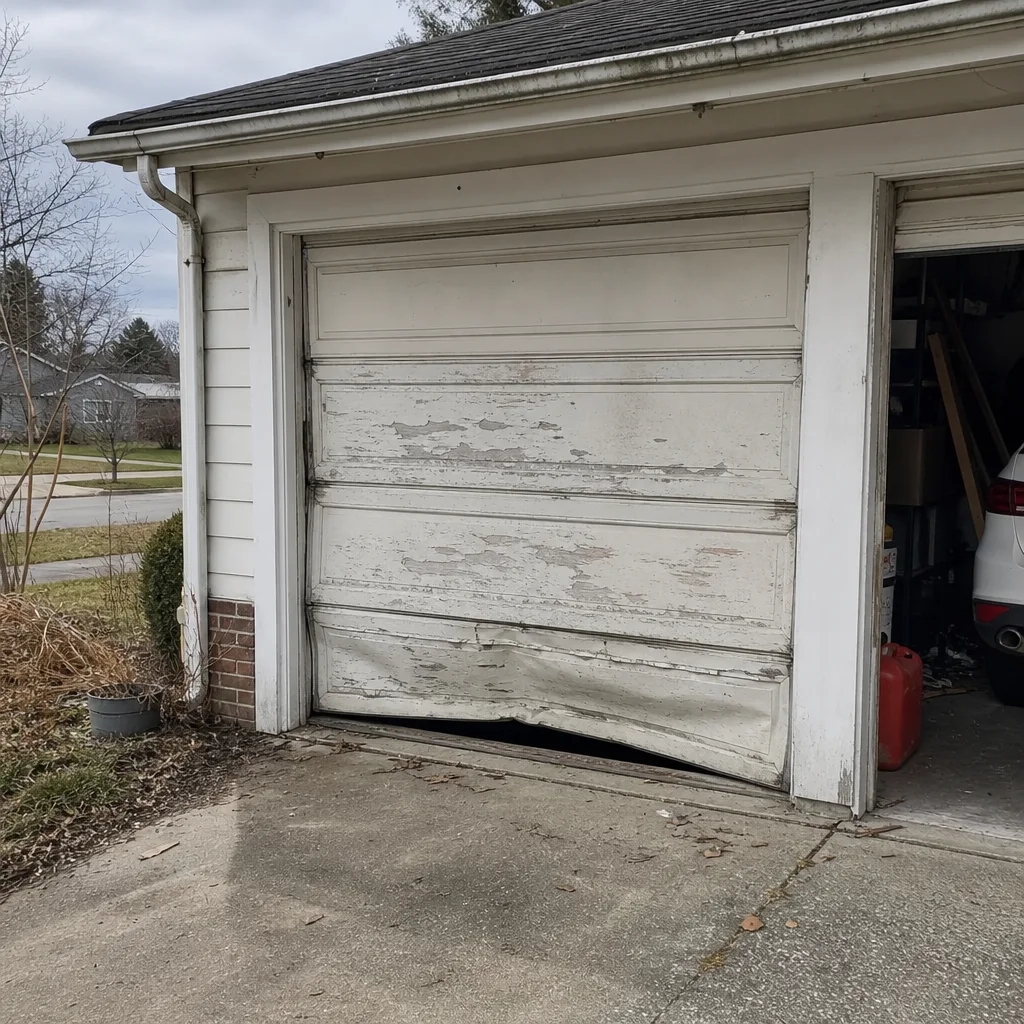
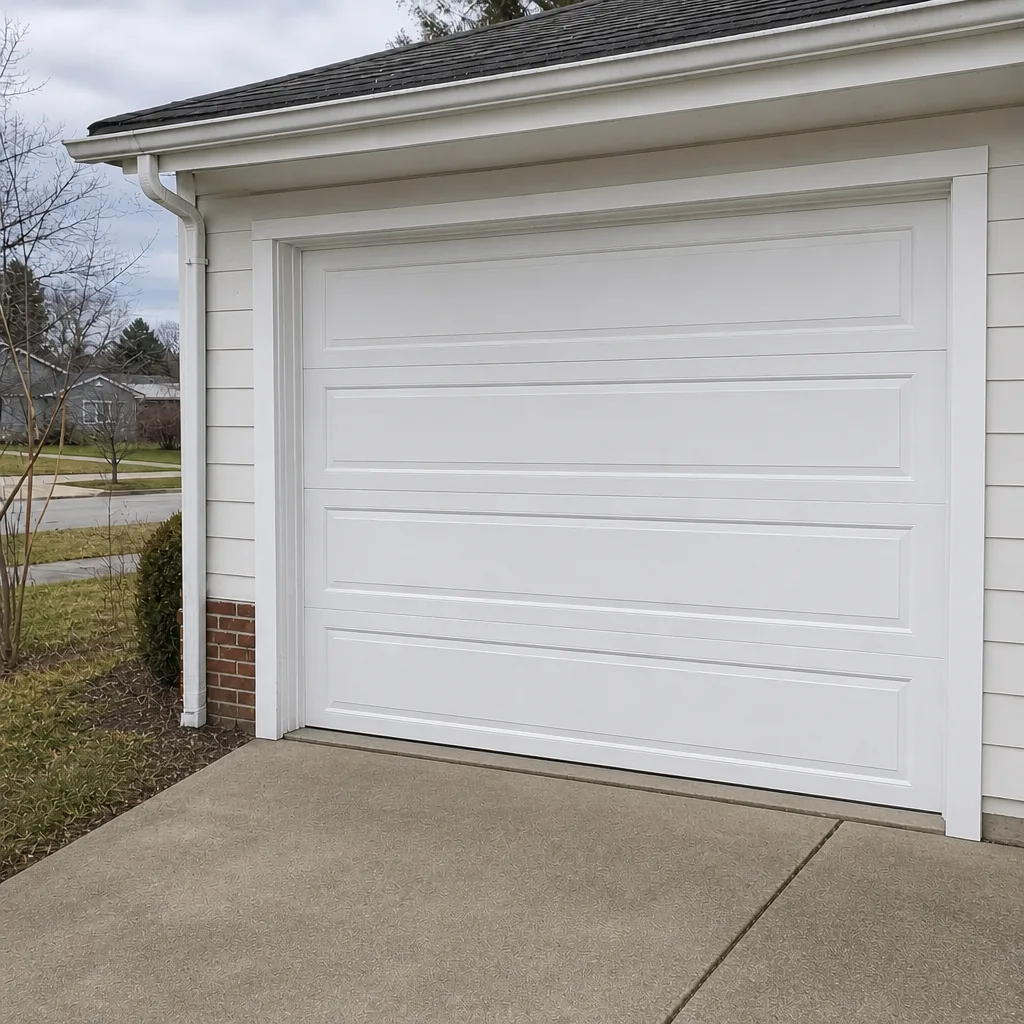
See the difference
 Before
 After
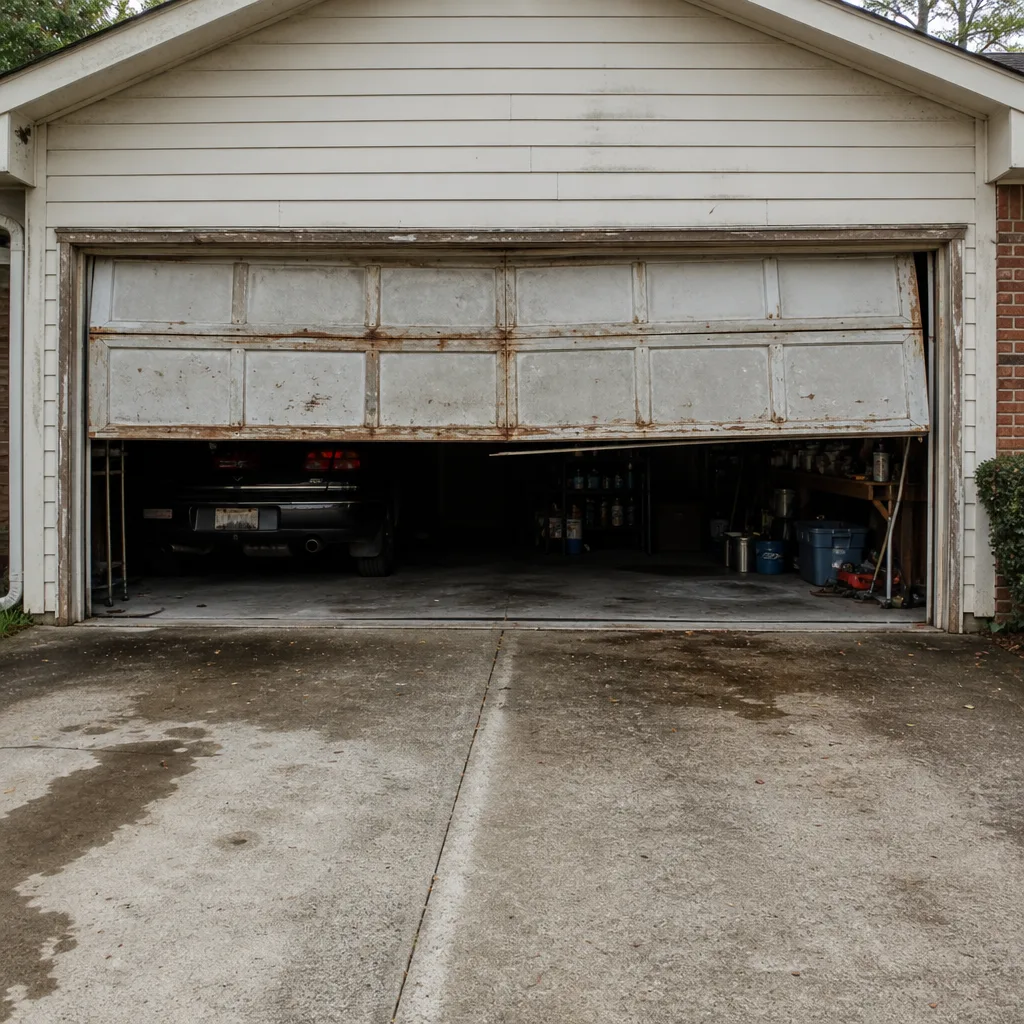 Before
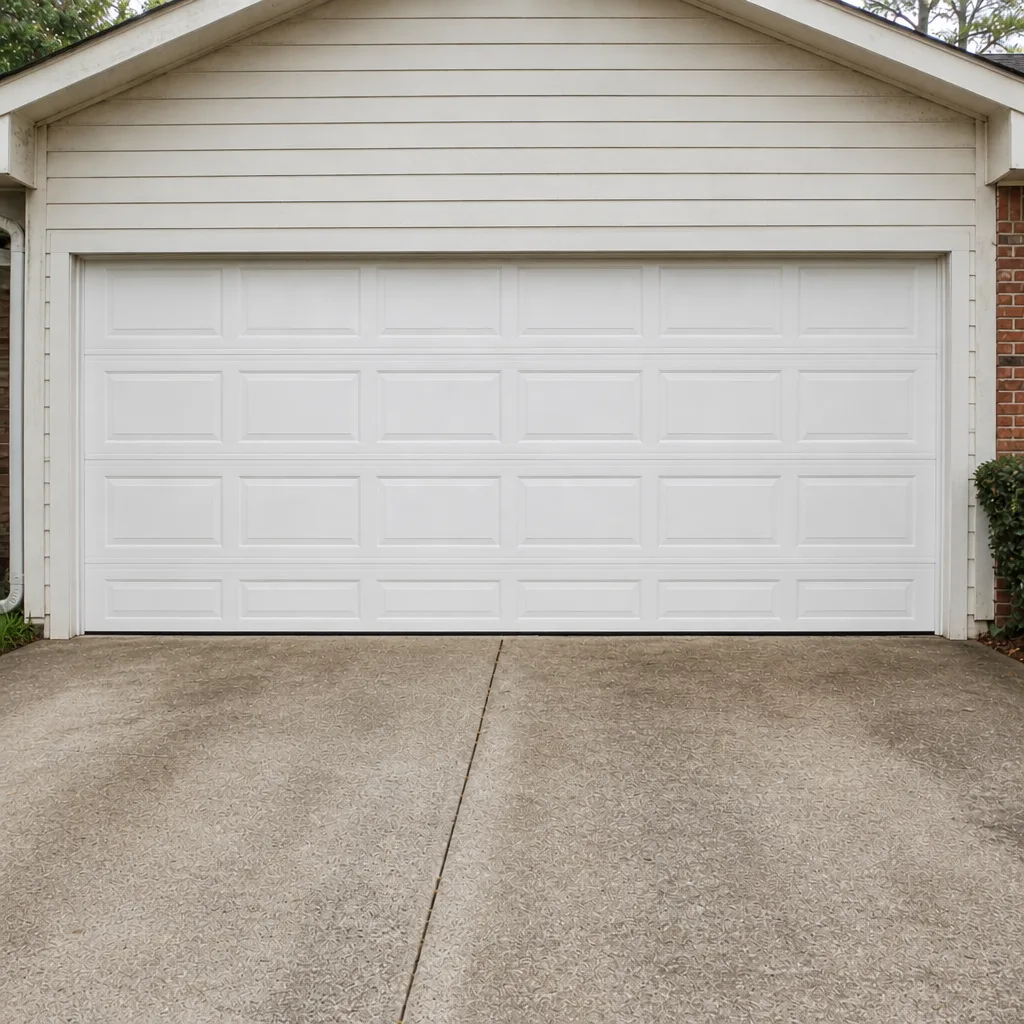 After
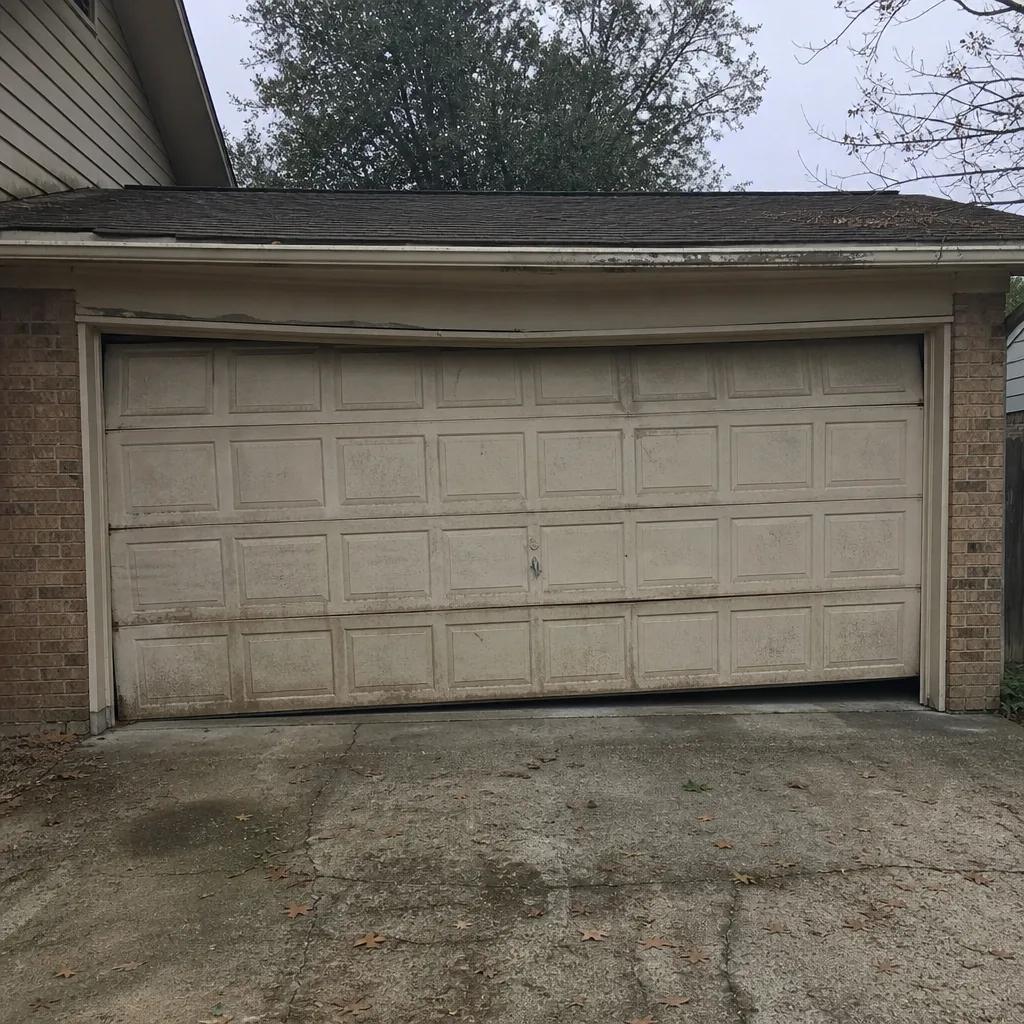 Before
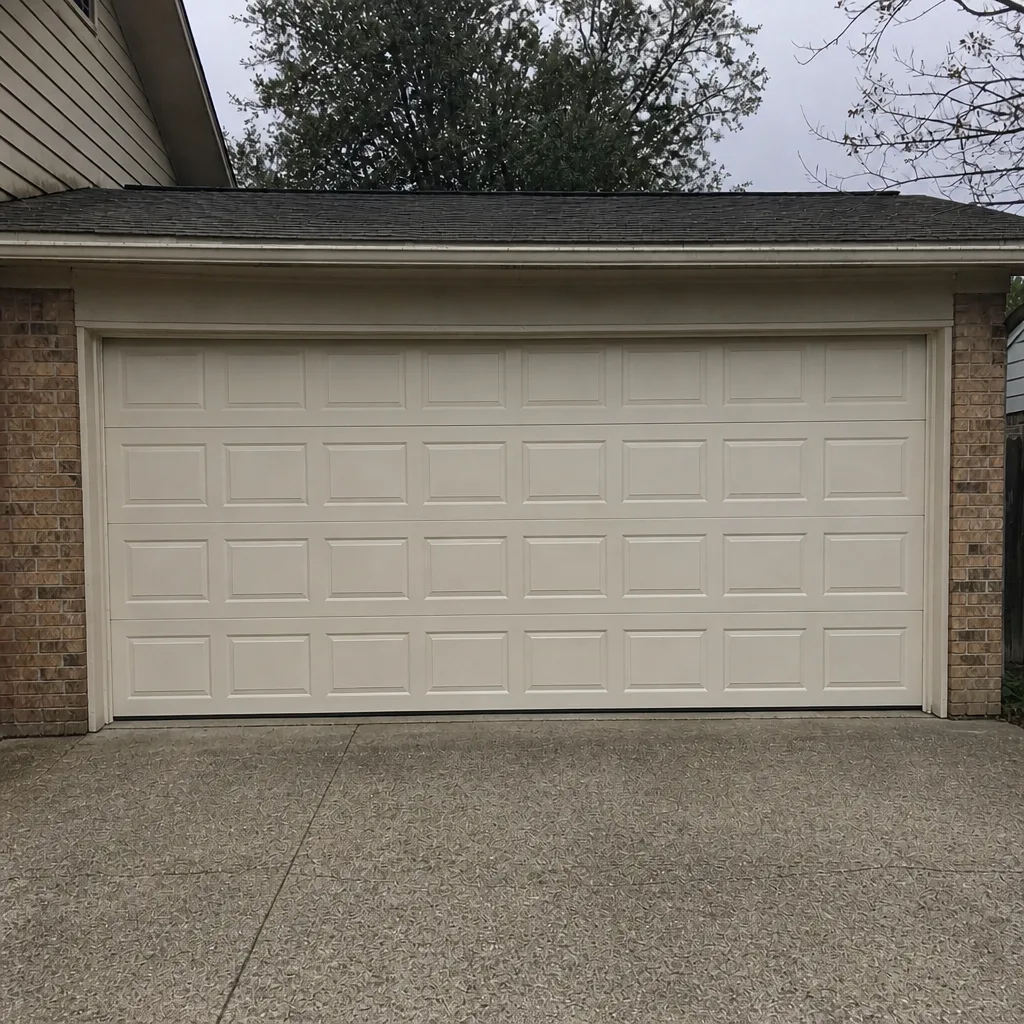 After
When to Call a Professional
Some garage door problems are simple, and some are genuinely dangerous. Call a professional if your door won’t lift by hand after you disengage the manual release, if you hear a loud snap from the springs, if the door is visibly off its tracks, or if the opener strains or stops mid-cycle after a storm. Broken springs, damaged torsion hardware, and bent tracks are all things to leave to a trained technician. Gable Garage Door Repair offers free estimates in Wilmington, and our technicians have up to 11 years of experience working on LiftMaster, Chamberlain, Genie, Clopay, Amarr, Wayne Dalton, Craftsman, and Raynor systems. Call (866) 961-8704. We answer 24/7, with fast dispatch from 7am to 7pm, Sunday through Friday.
Frequently Asked Questions
Pull the red cord to disengage the trolley, then lift the door by hand a foot or so and re-engage it. A healthy release disengages with a clean click and lets the door move smoothly; a seized one won’t disengage or feels gritty. If yours won’t work cleanly, call (866) 961-8704 so we can check the trolley and rail before storm season.
Not every opener does, and the ones that do vary in how long they hold a charge. Check your opener’s model number in the manual or on the unit itself, then unplug the opener and run the door to see whether it operates on battery. If you’re not sure, we can tell you during a visit. Call (866) 961-8704 for a free estimate.
Close the door, disengage the opener with the manual release, and engage a slide bolt through the track on each side or a locking bar across the door’s interior face. Test it by pulling up on the door from inside. The automatic lock on most openers won’t engage without power, so a manual lock is the reliable option.
Check panels first, then tracks, then springs, then the opener, and only run the door after the first three look sound. A panel or track problem can damage the opener if you cycle the door before you catch it. If anything looks bent, cracked, or off its rails, stop and call (866) 961-8704.
Only if it carries a design pressure rating printed on the door’s label or in its paperwork. A standard door can bow, lose panels, or pop a roller in a strong wind event, while a rated door and its hardware are built to hold. If you’re replacing a door, ask about the DP rating before you buy. We can help you compare models; call (866) 961-8704 for a free estimate.
Yes. Call (866) 961-8704 and we’ll schedule a visit. We answer 24/7, with fast dispatch from 7am to 7pm, Sunday through Friday. A call outside dispatch hours is booked into the next opening, Sunday through Friday, 7am to 7pm.
The Bottom Line
Storm prep for a Wilmington garage door comes down to three tests: pull the manual release and confirm it disengages cleanly, confirm your opener’s battery backup actually holds through a long outage, and know the inspection order for after the storm (panels, tracks, springs, opener). Add a manual slide bolt so you’re not relying on an automatic lock that dies with the power, and check your door’s DP rating if you’re replacing it. Done before storm season, these steps take less than an hour. Done during an outage, they’re the reason people call us. Call (866) 961-8704 for a free estimate. We answer 24/7, with fast dispatch from 7am to 7pm, Sunday through Friday.
Written by the team at Gable Garage Door Repair.