
Last updated November 15, 2026
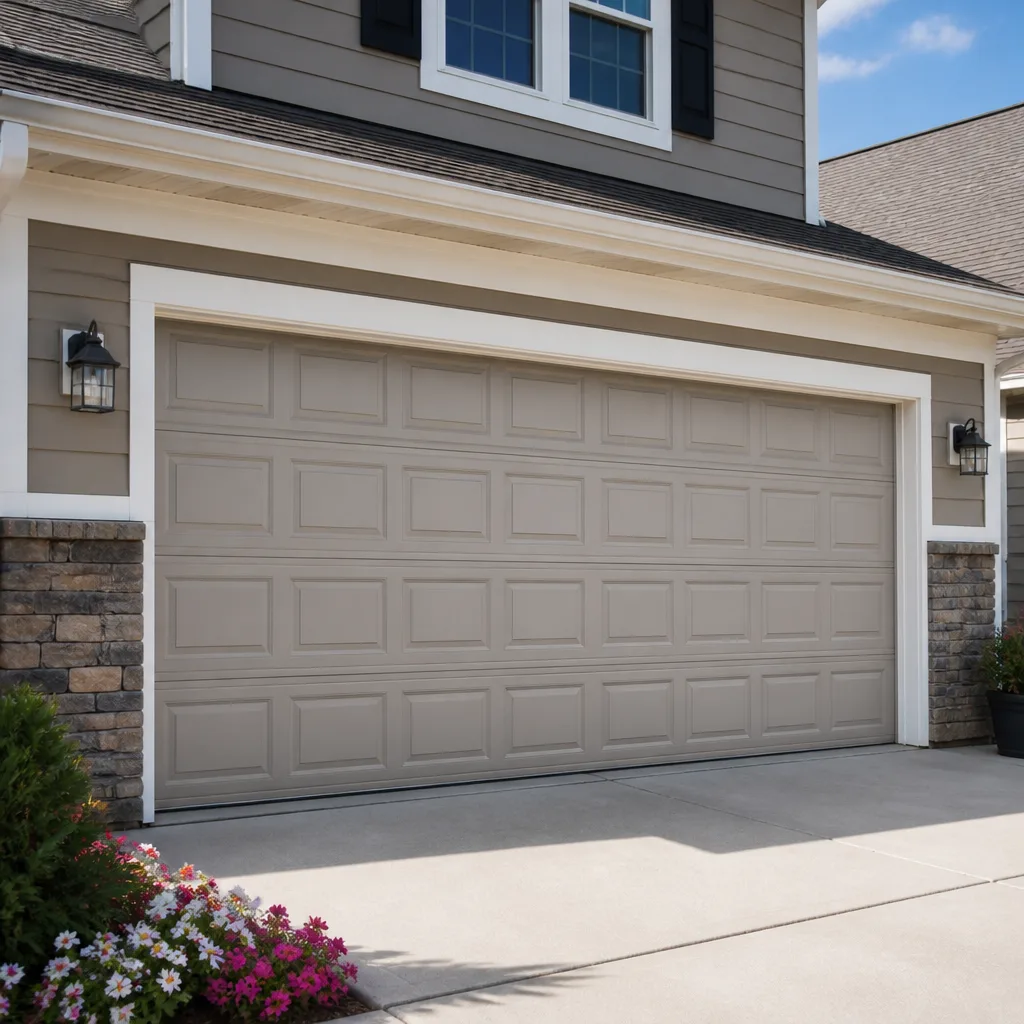 Raised-panel steel
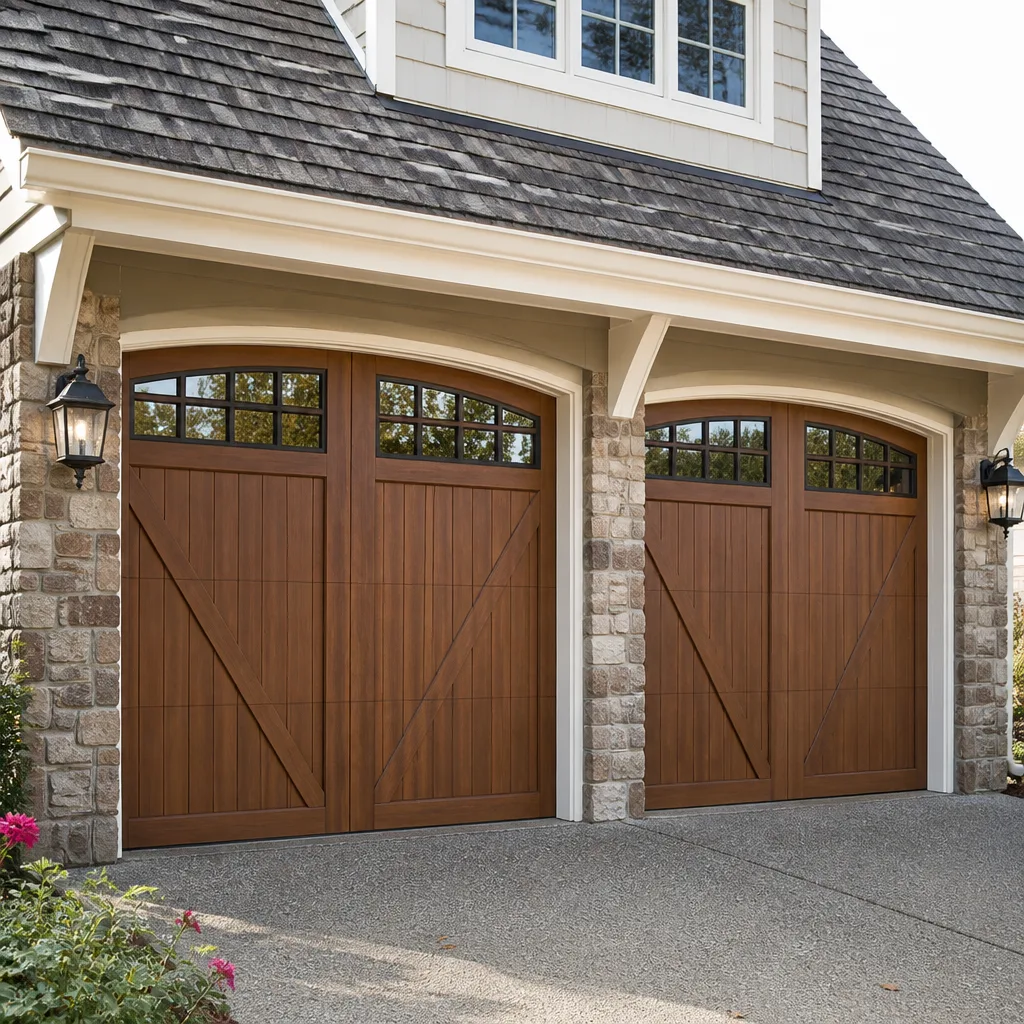 Carriage house
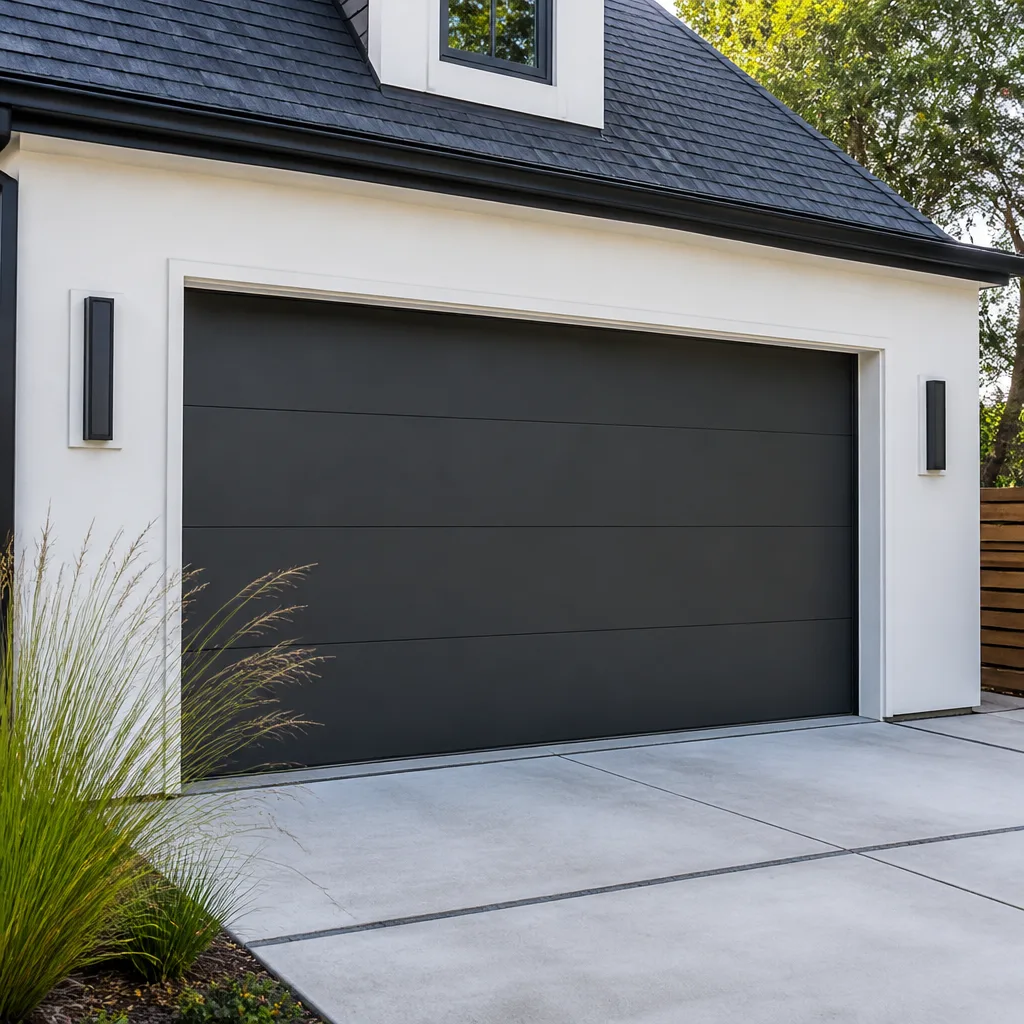 Modern flush
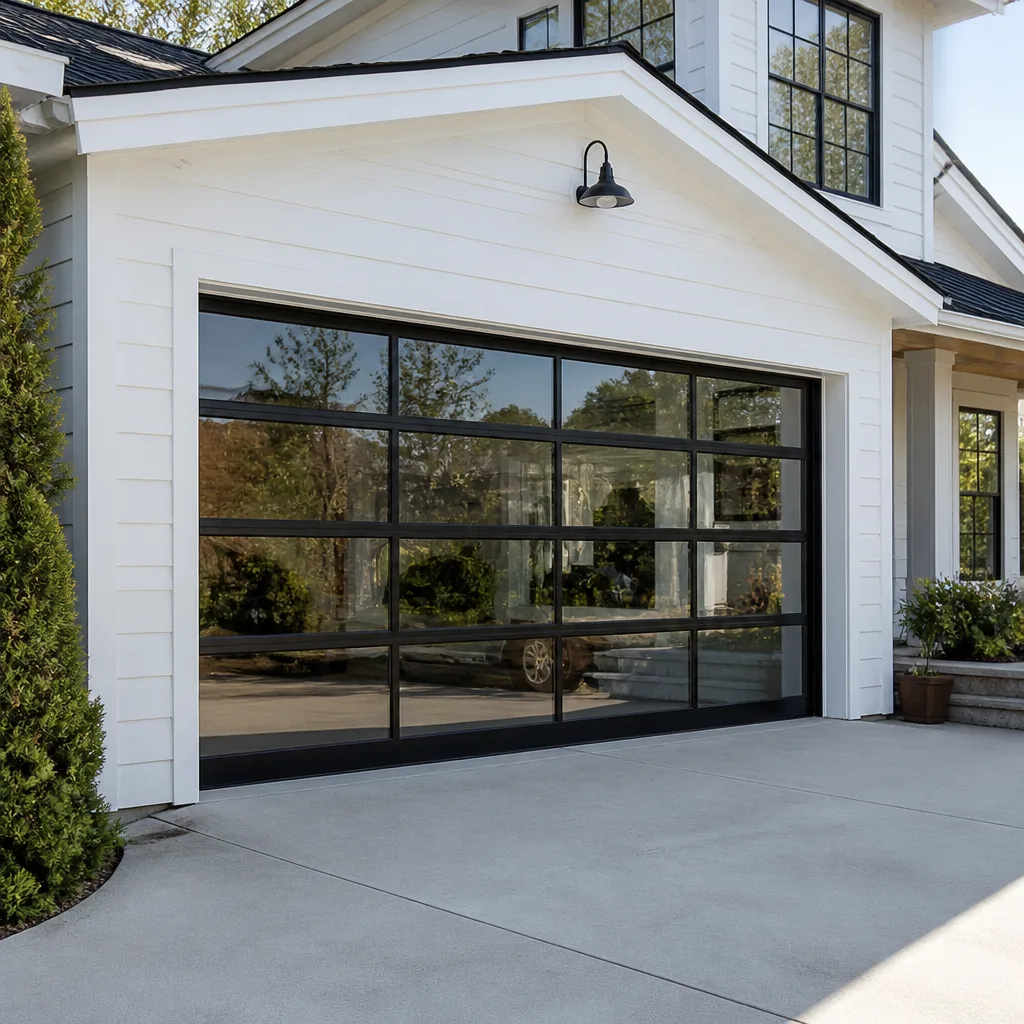 Full-view glass
 LiftMaster openers
 Chamberlain openers
Full 25-point door and opener safety check with every visit - springs, cables, rollers, tracks, and your LiftMaster or Chamberlain opener included
You get a price before we start. It does not change when the pro arrives.
Get your free estimateSeasonal Garage Door Care for Wilmington: Year-Round Homeowner’s Guide
Most garage door maintenance advice you’ll read assumes four equal seasons and a hard winter. Wilmington doesn’t work that way. What we actually have is a long, punishing humidity-and-storm stretch from May through October, a short but sneaky freeze risk in January and February, and two narrow windows in spring and fall where maintenance genuinely holds. That mismatch is the counterintuitive part: the best time to lubricate a garage door in Wilmington isn’t January, when the cold snaps hit, but late October, after summer condensation has already pushed most of your summer lubricant out of the torsion spring coils. Get the calendar right and the door mostly takes care of itself. Get it wrong and you’ll be fighting the same problems every year. This guide walks through the Wilmington climate calendar month by month so you know what to check, when, and what’s worth handing to a technician.
Quick Answer
Seasonal garage door care in Wilmington runs on a different calendar than most national guides suggest. The high-value work happens in three windows: a pre-hurricane checklist in May, a pollen-and-sensor cleanup in March and April, and a fall maintenance window in October and November before the garage becomes your main entry point. Winter freeze risk in Wilmington is brief (usually 28-32°F overnight lows) but harder on torsion springs than sustained cold because the freeze-thaw cycle stresses the metal repeatedly rather than settling it once. A yearly service rhythm matched to that calendar keeps the door moving cleanly and heads off most emergency repairs.
Styles & brands we work with
- Raised-panel steel
- Carriage house
- Modern flush
- Full-view glass
- LiftMaster openers
- Chamberlain openers
Table of Contents
- Spring in Wilmington: Pollen Season and Sensor Failures
- Pre-Hurricane Season Checklist (May)
- After a Named Storm: What to Check Before Using the Door
- Summer Humidity and Hardware Wear
- Why the Wilmington Winter Freeze Is Harder Than Sustained Cold
- The Fall Maintenance Window: October and November
- A Month-by-Month Care Rhythm for Wilmington Homeowners
- Common Mistakes to Avoid
- When to Call a Professional
Spring in Wilmington: Pollen Season and Sensor Failures
March and April are when the Wilmington area turns yellow. Oak and pine pollen coat every horizontal surface on your property, and garage door safety sensors are usually the first thing to fail because of it. The lenses on your photoelectric sensors face each other across the door opening, and even a thin film of pollen can scatter the beam enough that the opener reads it as an obstruction and refuses to close. Homeowners often think the opener has died when the only problem is a dirty lens.
Here’s what to check in spring:
- Wipe both sensor lenses with a microfiber cloth and a drop of water. No solvent, no paper towels, which can scratch the plastic. Do this monthly through April.
- Clear the bottom seal channel. Pollen collects in the rubber lip of the bottom seal and hardens into a gritty crust that damages the seal every time the door cycles.
- Check the photo-eye alignment LED. Most openers have a small indicator light on each sensor. If one is flickering or off, the alignment has drifted, and that’s worth a technician’s look.
- Look at the wall button and remotes. Pollen usually isn’t the cause of remote failures, but if the door opens with the wall button and not the remote, the problem is signal-related, not sensor-related.
Spring is also the point where we see a lot of Wayne Dalton and Amarr doors that were installed without a service visit for several years. The hardware is sound on both brands, but the nylon rollers and hinges on a door that lives in Wilmington’s pollen load will run rough by April if nobody has cleaned them. If it’s been more than a year, this is the season to book a service visit rather than waiting for something to break. For an exact picture of what repair looks like in our area, see our garage door repair page.
Pre-Hurricane Season Checklist (May)
Hurricane season starts June 1, and May is the month to run through the garage-side checklist before anything forms in the Atlantic. This isn’t about predicting a storm landing here. It’s about making sure that if the Wilmington area takes a hit, your door won’t be the thing that fails. A garage door is often the largest opening in the wind envelope of a house, and the brackets that hold it up are the parts you can’t see from the driveway.
Four things to verify in May:
- Wind-load brackets. The lag bolts and brackets that anchor the vertical track to the door jamb should be tight and free of rust staining. A loose bracket concentrates wind force on two bolts instead of six. If anything wobbles when you push the door, that’s a bracket problem, and it needs a technician before storm season.
- Emergency disconnect cord. The red pull cord that disconnects the door from the opener should have a clean, unknotted handle and enough slack to be reachable from the floor. If the cord has frayed or the trolley jams when you pull it, you won’t be able to open the door by hand if power goes out.
- Battery backup opener test. Most modern LiftMaster, Chamberlain and Genie units ship with a battery backup. Unplug the opener from the wall outlet and cycle the door once. If it doesn’t move, the battery is either dead or the opener doesn’t have one. This is the single most common failure we see in Wilmington when power is out for more than a day after a storm.
- Bottom seal and side seals. Check that the rubber lip of the bottom seal still sits flat against the floor along its whole length, and that the weatherstripping on the jambs hasn’t shrunk. Wind-driven rain enters through gaps you can’t see standing in the driveway.
Do the same visual pass on the opener itself. If it’s a Craftsman that’s been in the house since you moved in, check that the manual is still available and that the safety reverse test still passes (place a 2×4 flat under the door and let it close; it should reverse on contact). For brand-specific opener help, our garage door opener repair page covers the systems we work on.
After a Named Storm: What to Check Before Using the Door
When a named storm has passed, resist the urge to hit the opener button and hope for the best. A garage door that took wind load or water intrusion can look fine from twenty feet and still be unsafe to operate. The most important rule: if the door is visibly out of the track, hung crooked, or shows a bowed panel, do not run the opener. The motor can bend the panel further or snap a torsion spring under load. Call a technician instead.
The post-storm check, in order:
- Panels. Look along the door from the side for a bow you can’t see from the front. Run your hand flat along each panel; a dent or a bow will feel obvious. Pay particular attention to the bottom panel, which takes the most water and impact.
- Tracks. The vertical track on each side should be plumb and the horizontal track should be level. If either looks kinked, the door has taken a hit and needs to be re-tracked, not just nudged back into place.
- Seals. Check that the bottom seal hasn’t torn or pulled out of its retainer. A torn seal lets water sit under the door and rusts the bottom of the panels over time.
- Hardware. Look for rust runs on the hinges, loose lag bolts, and a torsion spring that shows any deformation. A torsion spring that has been through a storm is a part you don’t want to test.
- Opener and sensors. Once the door itself is clear, cycle it once with the opener and confirm the safety reverse still works and the sensors still see each other. If the power was out for days, check the backup battery again.
If anything fails any of these checks, don’t run the opener until a technician has seen it. This is where brand familiarity matters. A Raynor or Wayne Dalton door reacts differently to a storm-damaged track than an Amarr door, and the technician who recognizes the hardware can usually tell you in five minutes whether the door is repairable or should be replaced.
Summer Humidity and Hardware Wear
Wilmington summers are the toughest stretch on a garage door’s hardware. Daily condensation cycles, high heat, and long daylight hours combine to wear down the moving parts faster than most homeowners expect. The metal expands during the day and contracts at night, and every expansion cycle loosens a hinge screw fractionally. Over one June-to-September stretch, that adds up to visible looseness if nobody checks.
The main summer wear points:
- Torsion spring lubricant. The lubricant you applied in spring gets displaced by condensation and by the spring’s own rotation. By August, the coils are running drier than they should. This is why late October is the real oiling season, not January.
- Roller bearings. Steel rollers on a door that cycles heavily in the summer heat will start to squeal by August. That squeal is the bearing, not the track. Nylon rollers tend to be quieter, but even they wear.
- Opener gear case. The gear case inside a Chamberlain or Genie opener runs hot in a garage that sees afternoon temperatures above 90°F. If you hear a grinding or buzzing sound when the opener runs, that’s the gear case, not the motor.
- Bottom seal degradation. The rubber bottom seal takes the most direct sun and heat. It dries out and cracks first, and a cracked seal lets water and bugs in through the one opening in your garage that faces the weather.
Summer is also when most opener failures happen. Heat is harder on the electronics than cold, and the safety sensors are more likely to misread a hot door than a cold one. If your opener starts behaving oddly in July or August, don’t assume it’s the remote. In our experience, it’s almost always one of three things: a failing gear, a sensor lens that’s frosted from heat, or a limit switch that has drifted.
Why the Wilmington Winter Freeze Is Harder Than Sustained Cold
This is the section most national guides get wrong for Wilmington. The coldest overnight temperatures here usually land in the 28-32°F range a handful of times each winter, not the sustained single digits that northern cities see. You’d think that shorter cold would be easier on a torsion spring. It isn’t. It’s harder.
The reason is thermal cycling. A torsion spring is a coil of steel under high tension that needs to flex smoothly through every door cycle. When a spring is held cold for weeks, it settles into a low-expansion state and the steel behaves predictably. When a spring swings from 70°F in afternoon sun to 30°F overnight and back every few days, the metal contracts and expands repeatedly. Each contraction cycle puts stress on the same points along the coil. Fractures start accumulating there instead of at one clean failure point. If the spring was already past its service interval, a short Wilmington freeze is often what tips it from “still working” into “snapped.”
What to watch during a Wilmington cold snap:
- Any new pop or bang when the door opens is a spring warning. If the door suddenly feels heavy and the opener strains to lift it, stop using the opener.
- Slow or labored first open of the day. On a cold morning, a stiff door that gets easier by afternoon is a lubrication problem. A stiff door that stays stiff is a spring or bearing problem.
- Openers with a battery. Batteries lose capacity in cold. A backup battery that tested fine in October may not lift the door in a January freeze. Test it again in late fall.
- Weatherstripping gaps. Rubber seals shrink in cold, and a gap at the bottom of the door lets in a draft that makes the garage colder than the outside air. That cold air is what stresses the spring.
Do not lubricate a spring that has failed, and do not attempt to adjust a torsion spring yourself under any circumstances. A torsion spring stores enough energy to seriously injure you if it releases unexpectedly. Spring work is a trained-technician job, full stop.
The Fall Maintenance Window: October and November
October and November are the highest-return months on a Wilmington garage door calendar. The humidity breaks, the pollen has cleared, the temperature is stable, and the door is about to become your primary entry point for the next four to five months. This is the window where a single service visit protects the whole winter.
The fall checklist, in priority order:
- Lubricate the torsion spring and hinges. Use a proper garage door lubricant (not WD-40, not grease). The late-October application sits on the spring through the winter and only needs a touch-up in spring.
- Balance the door by hand. Disconnect the opener and lift the door by hand halfway. If it won’t hold there, the spring tension has drifted and needs a technician’s adjustment.
- Test the safety reverse. Every fall, without exception. A safety reverse that fails is a serious hazard, especially for households with kids and pets.
- Inspect the bottom seal. If the seal is cracked or the retainer is loose, replace it now before cold-weather drafts get in.
- Check the opener’s backup battery. If the opener has a battery backup and it’s more than a couple of years old, test it and replace if needed.
- Tighten hinges and track brackets. Summer expansion loosens lag bolts. Fall is when you re-torque them.
This is also the right time to think about whether the door is worth repairing or replacing. A door that needed multiple repairs during the previous summer is a candidate for replacement before winter, not during it. Our Gable Garage Door Repair service covers the whole conversation, from diagnostics through installation, and we’ll tell you honestly which makes more sense for your door.
A Month-by-Month Care Rhythm for Wilmington Homeowners
If you want a simple rhythm you can actually stick to, this is the one we recommend for Wilmington homes. It’s not exhaustive, but it matches the climate and it front-loads the checks that matter most.
| Month | Focus | What to Check |
|---|---|---|
| January-February | Freeze watch | First-open listening, backup battery, seal gaps |
| March-April | Pollen cleanup | Sensor lenses, bottom seal channel, hinge screws |
| May | Pre-hurricane checklist | Wind brackets, disconnect cord, backup battery, seals |
| June-September | Humidity watch | Spring lubricant, gear-case noise, rollers, bottom seal |
| October-November | Fall service | Full service visit: lubrication, balance, safety reverse, torque |
| December | Winter prep | Backup battery test, seal condition, opener limit check |
Two of these are homeowner checks and four are technician-visit windows. The May and October visits are the two we recommend booking ahead of, because they’re the ones that prevent the calls most homeowners dread: the storm-prep scramble in July and the dead door on a cold morning in January.
Common Mistakes to Avoid
- Assuming spring is the season for spring maintenance. For Wilmington, the highest-value lubrication window is late October, not March. Summer condensation has displaced most of the lubricant by the time the freeze comes.
- Washing down a garage door between the panels. Pressure washing forces water into the hinge pockets and bottom-seal retainer, and in our humidity that water sits. Use a bucket and a hose on low pressure, and stay off the seams.
- Spraying silicone on the track. A dry track is what you want. Lubricant on the track picks up pollen and grit and turns into grinding paste by March.
- Skipping the safety reverse test. Wilmington households with kids and pets should test the safety reverse more than once a year. Most openers have a simple test with a 2×4 on the floor.
- Using a battery backup opener without testing it. A backup battery has a shelf life, and it degrades faster in Wilmington’s summer heat than in a cooler climate. Test it in October and again in January.
- Letting a minor bottom-seal crack go through the summer. Once water is sitting in the seal channel, the bottom panel starts to rust from the inside out. The seal costs far less to replace than the panel.
- Adjusting a torsion spring yourself. This is the one thing on a garage door you should never attempt without training. A torsion spring under tension can release with enough force to cause injury. Leave it to a technician.
When to Call a Professional
Some seasonal work is homeowner stuff: sensor lenses, seal inspections, opener tests. Some of it isn’t. Call a technician when the door hangs crooked, when a spring has popped or gone slack, when the opener strains under load, when the safety reverse fails, or when a named storm has left the door looking out of line. Also call if the door is over ten years old and you’re weighing repair against replacement: that’s a decision worth having a trained eye on.
Our technicians have up to 11 years of experience on every major brand we work on, and we handle repair, opener work, and full installation in one company. Gable Garage Door Repair offers free estimates in Wilmington. Call (866) 961-8704. We answer 24/7. Fast dispatch from 7am to 7pm, Sunday through Friday. We’re closed Saturday, so a call placed outside dispatch hours is booked into the next opening.
See the difference
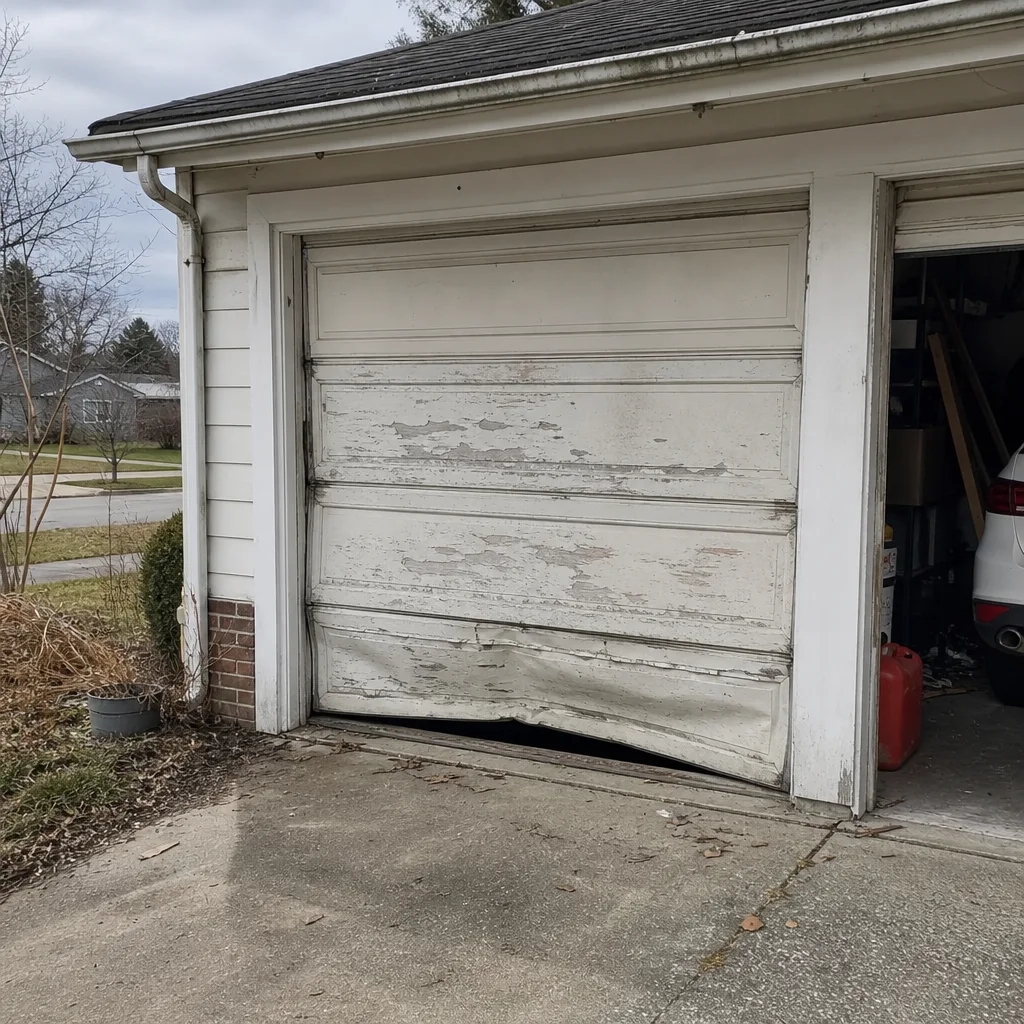 Before
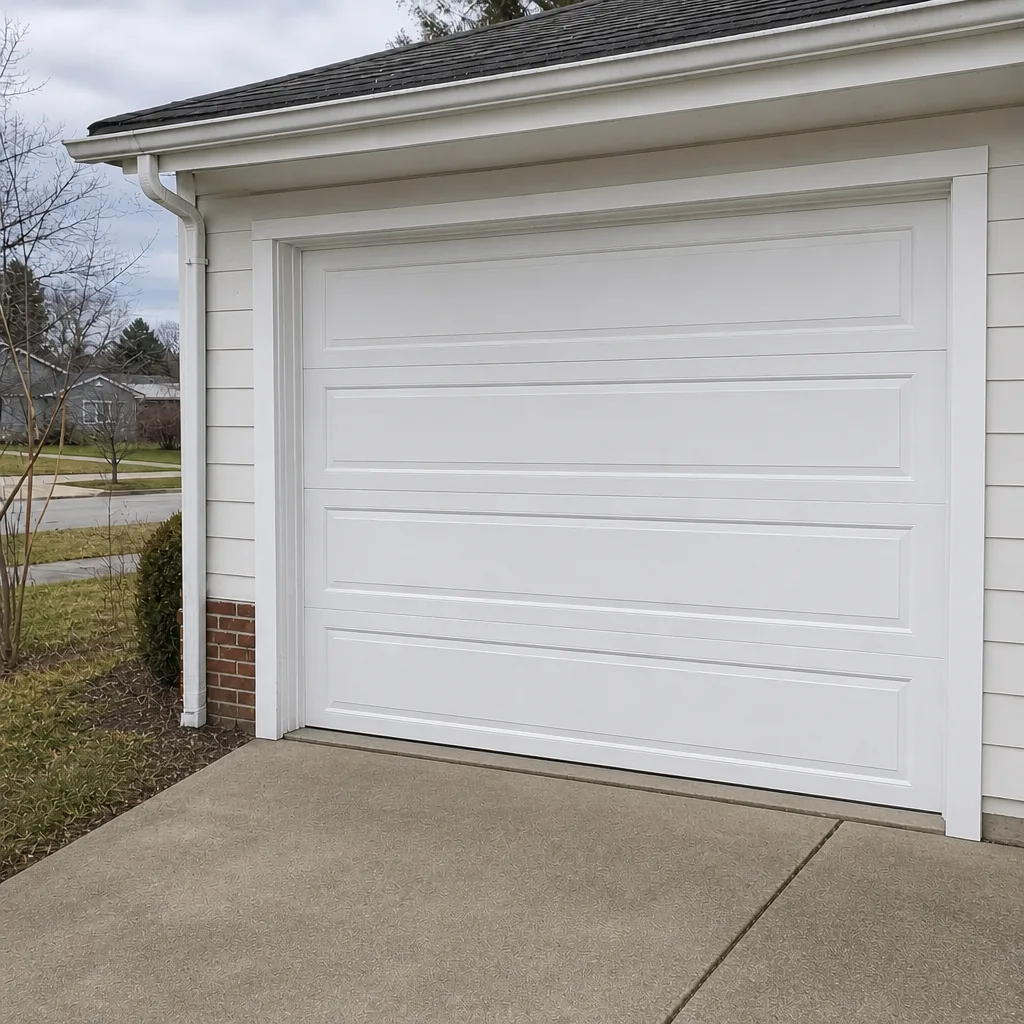 After
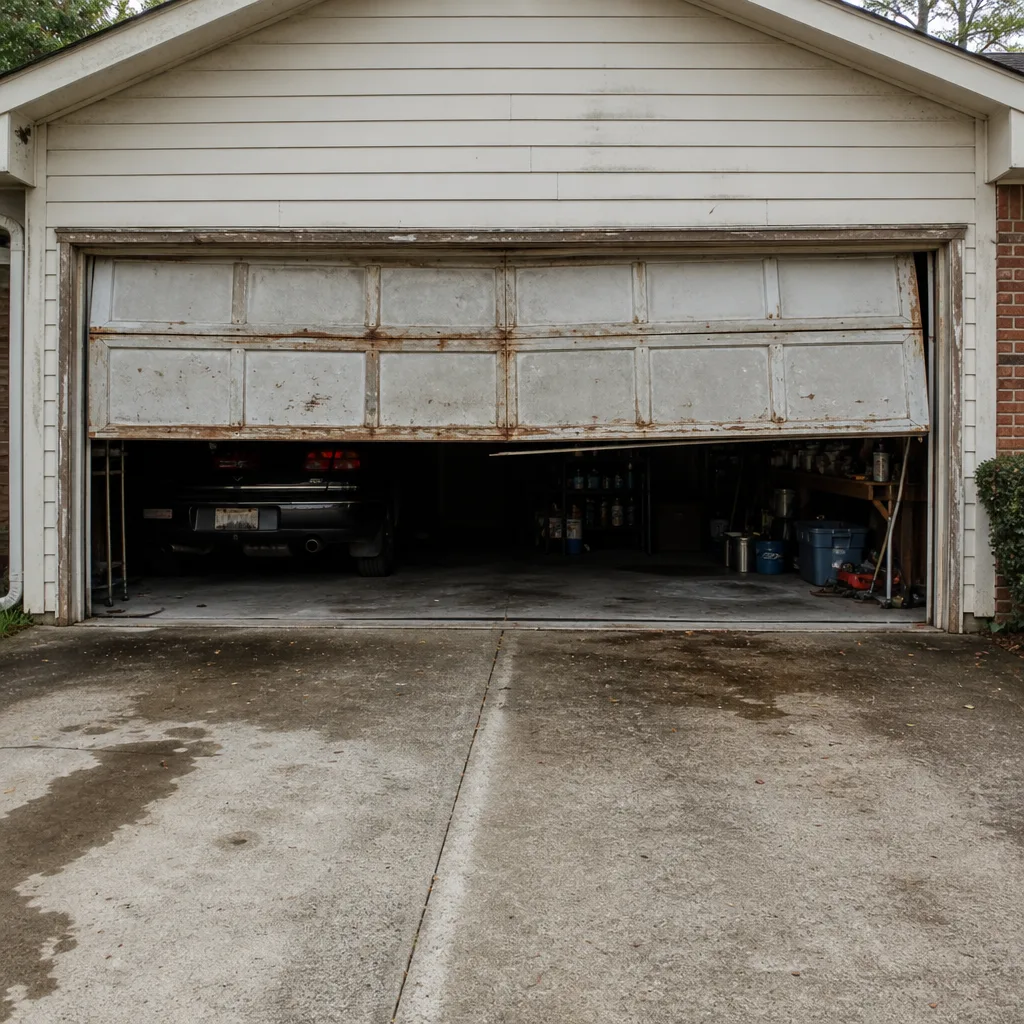 Before
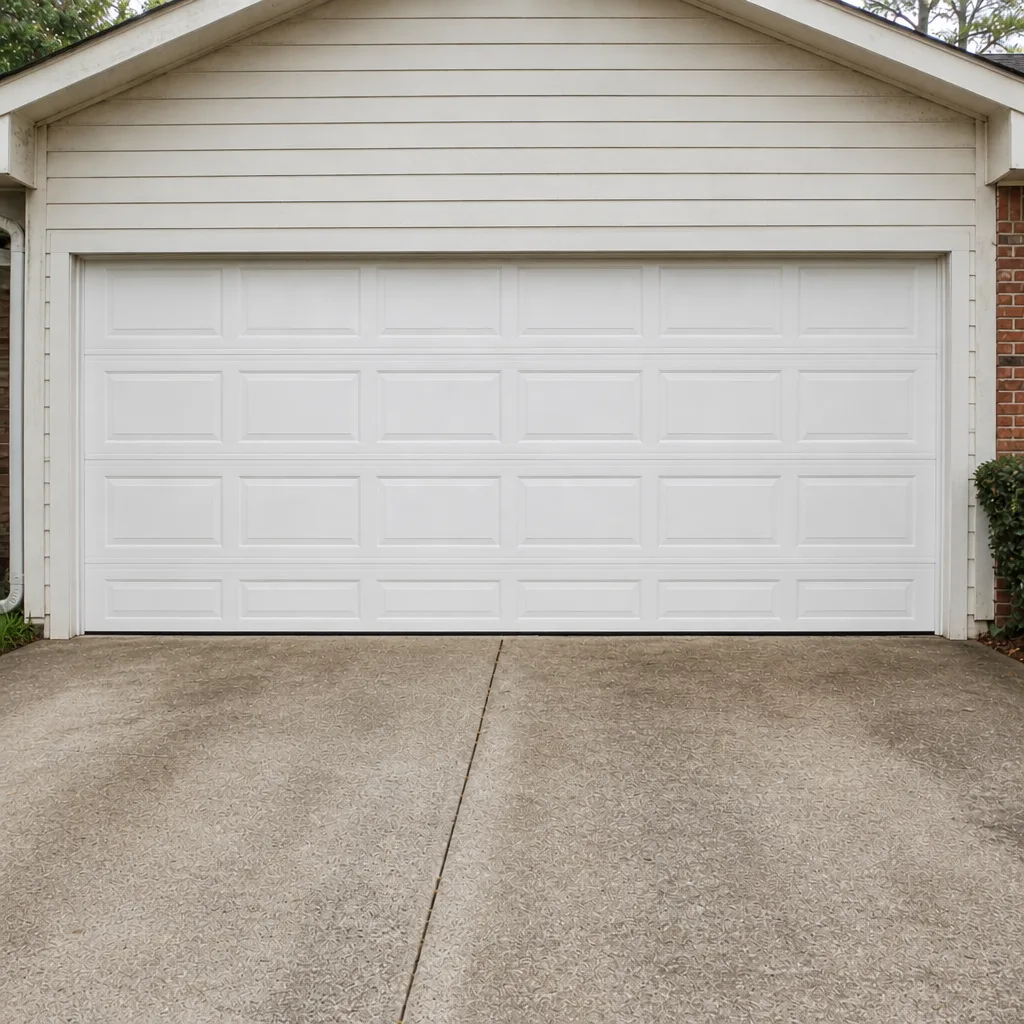 After
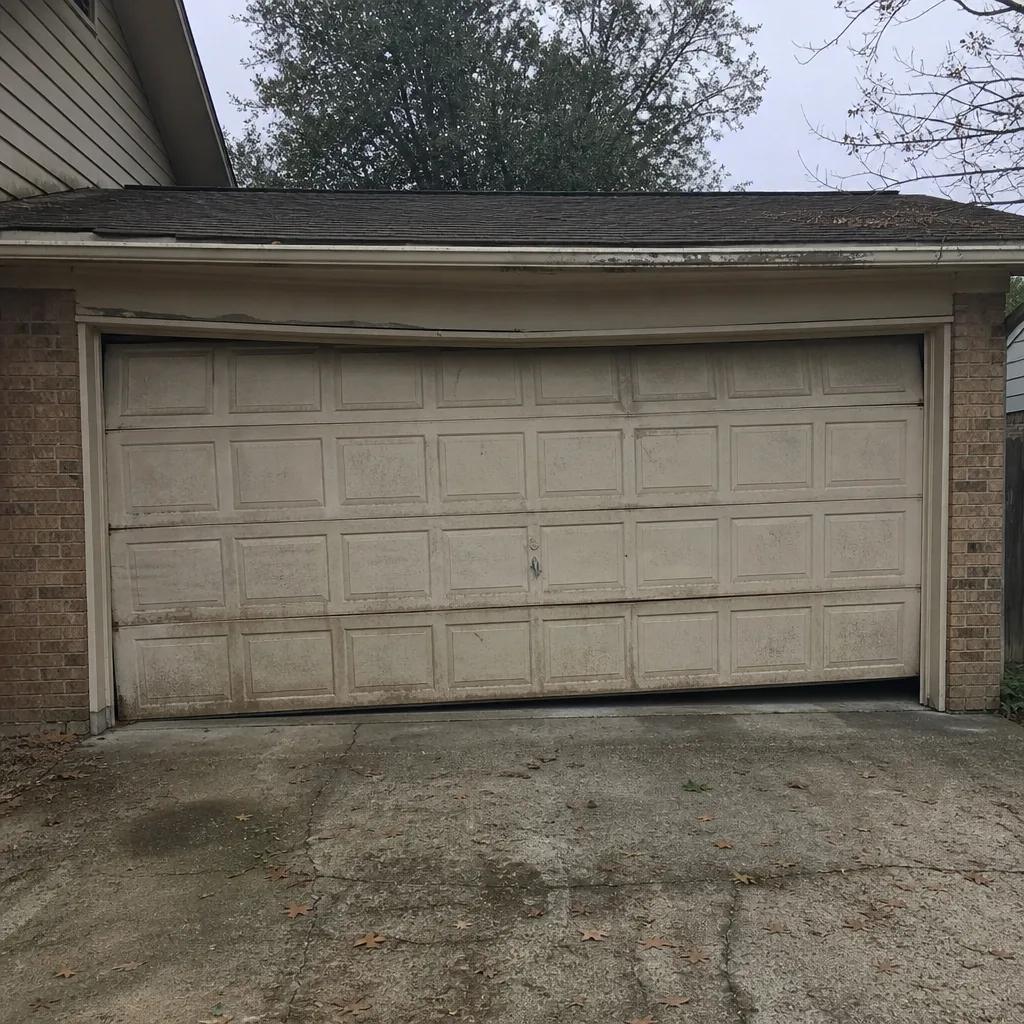 Before
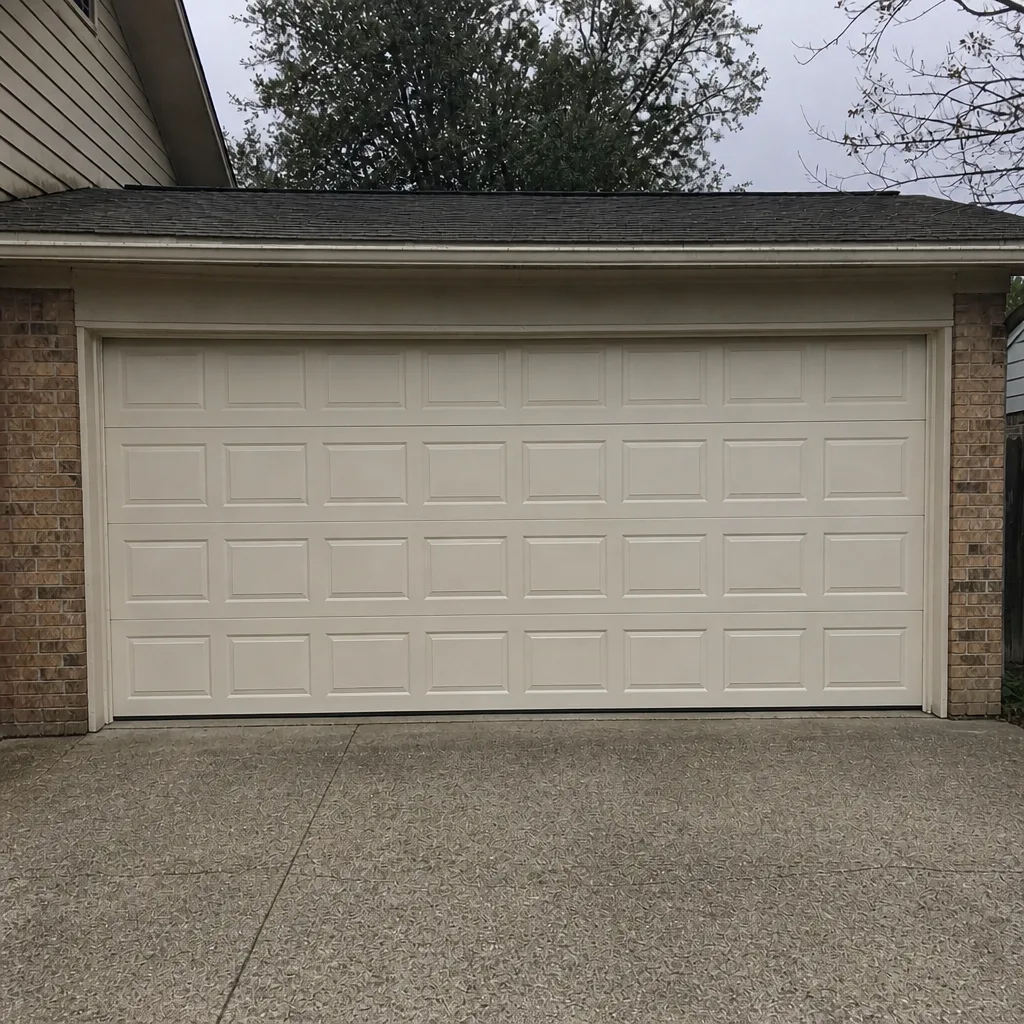 After
Frequently Asked Questions
Late October and early November are the highest-value months for a service visit in Wilmington. The humidity has broken, the pollen has cleared, and the door is about to become your main entry point for the winter. Book in October if you can, and consider a spring sensor and seal check in March or April. Call (866) 961-8704 to schedule a visit; estimates are free.
Yes, and more than sustained cold would. Wilmington’s typical 28-32°F overnight lows create repeated freeze-thaw cycles on the torsion spring, and each cycle stresses the same points along the coil. If your door starts feeling heavy or you hear a pop when it opens on a cold morning, stop using the opener and call a technician. Estimates are free at (866) 961-8704.
Check four things in May: wind-load bracket tightness, the emergency disconnect cord, the backup battery on the opener, and the bottom and side seals. Tighten any lag bolts you can reach, and if the door wobbles when you push it, book a technician before storm season rather than after. For an on-site check, call (866) 961-8704 and we’ll walk you through what needs fixing.
In Wilmington, the most common cause in March and April is pollen on the safety sensor lenses. Wipe both lenses with a microfiber cloth and clean the bottom seal channel. If the door still reverses after cleaning, the sensors may need realignment or the opener limit switch may have drifted, and that’s a technician visit. Call (866) 961-8704 for an estimate.
You can check for a broken spring visually – it will usually show an obvious gap in the coil – but you should not adjust, lubricate under tension, or replace one yourself. A torsion spring under tension is dangerous to handle without training. If you suspect a broken spring, call us at (866) 961-8704 and we’ll come look.
Yes. Mild doesn’t mean stable. Wilmington’s humidity, pollen load, and freeze-thaw cycles wear garage door hardware faster than a lot of people expect, especially the torsion spring, seals, and opener electronics. One service visit in October plus basic homeowner checks through the year prevents most emergency repairs. Call (866) 961-8704 to book an estimate.
The Bottom Line
Wilmington garage door care works better on a climate calendar than a generic one. May is the pre-hurricane checklist. March and April are pollen cleanup. October and November are the highest-value service window before the door becomes your main entry point. Winter is short but harder on the torsion spring than a northern sustained freeze, because the freeze-thaw cycling stresses the same points repeatedly. Spring, summer, and fall are homeowner checks; two of those checks (May and October) are worth a technician visit. Book them ahead, watch for the warning signs we listed, and the door will keep working through the humidity, the storms, and the cold snaps that make the Cape Fear region its own kind of challenge.
Call (866) 961-8704 for a free estimate. We answer 24/7. Fast dispatch from 7am to 7pm, Sunday through Friday. We’re closed on Saturday, so calls outside dispatch hours are booked into the next opening.
Written by the team at Gable Garage Door Repair.